The story of Li Xianghong reveals how, in today’s China, a prison sentence ends, but the machinery of reprisal does not.
by Yang Feng
For most people, a prison term has a beginning and an end. For Li Xianghong, a former lecturer at the Xinjiang Institute of Technology, the punishment has taken a different form. She is now sixty-three, free in the technical sense, yet living in a state of destitution engineered with bureaucratic precision. Her story is a reminder that in the People’s Republic of China, the repression of dissidents does not conclude at the prison gate. It continues through the quiet, devastating weapon of economic annihilation.
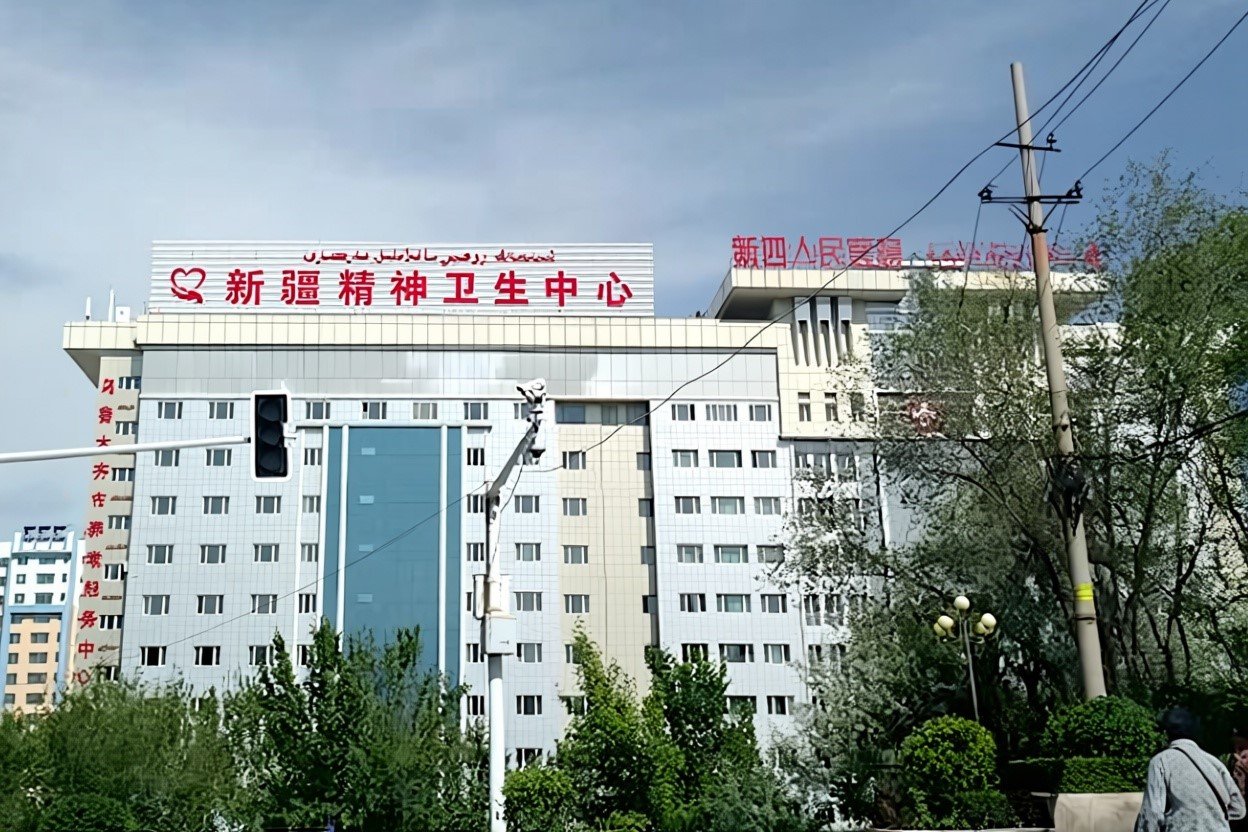
Li began practicing Falun Gong in 1997. When the movement was under attack in 1999, she joined the early wave of practitioners who traveled to Beijing to protest. What followed was a descent into the kind of abuse that the authorities still deny but that survivors and witnesses have described for decades. In 1999, she was abducted by agents of the Xinjiang 610 Office and taken to the psychiatric hospital in Ürümqi. There, according to testimonies collected at the time, she was confined among mentally ill male and female patients, subjected to verbal and physical harassment, and forced to take unknown medications. Fellow practitioners who managed to visit her in August and September 1999 reported scenes of humiliation and neglect. When the hospital realized the visits might expose what was happening, it barred further access.
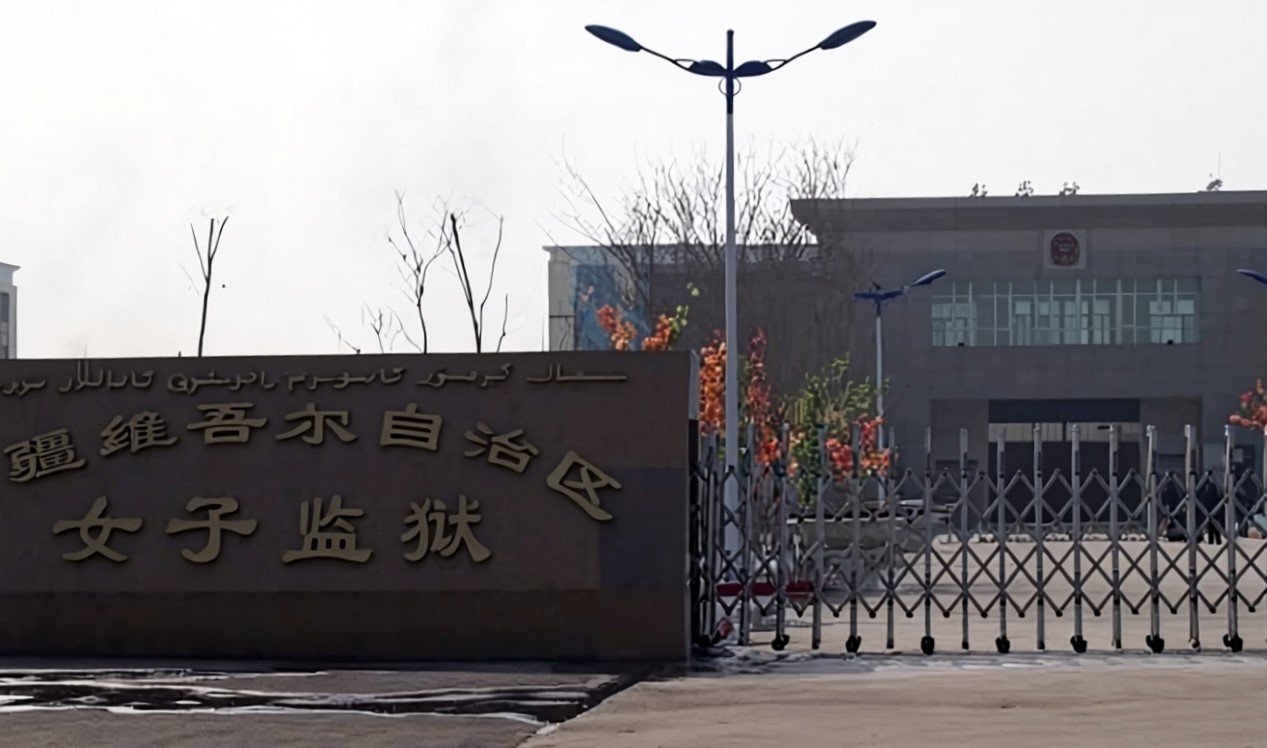
Li was later sentenced to eleven years in prison and sent to the notorious Xinjiang Women’s Prison. After her release, she was sentenced again, this time to three years, for a total of fourteen years—for refusing to abandon a spiritual practice that the government had declared an enemy. One might imagine that, having served her time, she would be allowed to rebuild her life. Instead, the state ensured she would have no life to rebuild.
Immediately after her first sentence in 2001, the Xinjiang Institute of Technology fired her. Sixteen years of seniority vanished overnight, and with them every yuan of pension contributions. When she fell ill in 2021 and required radiotherapy for cancer and heart surgery, she discovered that her public medical coverage had also been stripped away. Tens of thousands of yuan in medical bills were left to her family. Today, at retirement age, she receives no pension at all. She lives alone, without income, in conditions that would be precarious for anyone, let alone a woman whose health has been repeatedly damaged by imprisonment, forced medication, and years of stress.
Her case reflects a broader pattern in which the Chinese authorities punish dissidents not only through incarceration but through the systematic withdrawal of livelihoods. Even after you have served your sentence, the state retains the right to erase your past, your career, your savings, and your future. For Falun Gong practitioners, this is a familiar script. Many emerge from prison only to find themselves unemployable, uninsured, and without pensions they contributed to for decades.
Li’s story also reminds us of the origins of the repression. She was part of the first generation of Falun Gong practitioners who, in 1999, believed that the government would listen to peaceful petitions. Instead, they became the first targets of a campaign that has lasted more than a quarter of a century. The psychiatric abuse she endured in 1999 was an early example of a method later used against countless others.
Today, Li is free but impoverished, a woman punished not for what she has done but for what she believes. Her case illustrates the long shadow of the anti–Falun Gong campaign, where the state’s reach extends far beyond the prison walls, and the denial of pensions has become a quiet but effective instrument of coercion. It also raises a question that China’s authorities prefer not to hear: if a citizen has completed her sentence, by what logic—legal or moral—does the punishment continue for the rest of her life?

Yang Feng uses a pseudonym for security reasons.