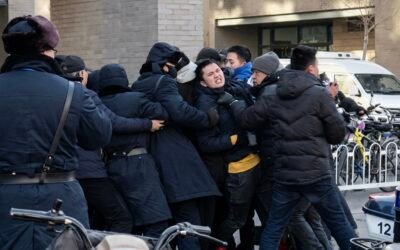
The tragic event started between May and August 2026. Not only is there no celebration of the anniversary, but those commemorating it risk going to jail.
by Hu Zimo
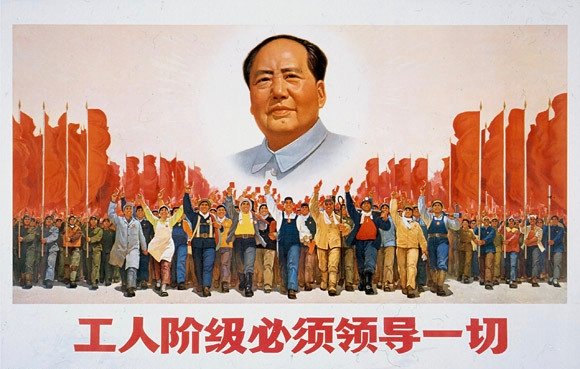
China reached the sixtieth anniversary of the Cultural Revolution in the Spring-Summer of 2026, yet the date passed without any official gesture. The event that reshaped the lives of millions, and whose consequences still permeate daily existence, was treated as something that should leave no trace.
The silence was deliberate. It reflected a political climate in which memory is monitored, archives are restricted, and those who attempt to preserve history face pressure that intensifies with each passing year.
The Cultural Revolution is an embarrassment. Under Xi Jinping, the Party seeks to celebrate both Mao, who launched the Cultural Revolution, and Deng, who buried and criticized it, as part of a quasi-linear history, or at least a dialectic amenable to synthesis. It is an impossible task, and one way to avoid problematizing history is to erase and ignore the Cultural Revolution.
As described by the admirable China Unofficial Archives, across China, elderly citizens who have spent decades collecting documents, interviewing survivors, and writing personal accounts found themselves under renewed scrutiny. Many of them began their work long before the current era of tightened controls. They believed that preserving testimony was a duty owed to future generations. Their efforts were modest, often self-funded, and carried out in private homes. Yet the authorities viewed these activities as potential sources of instability. The anniversary heightened vigilance among local propaganda offices, police stations, and cultural enforcement teams. They acted as if any mention of the Cultural Revolution might trigger unrest.
In several provinces, retired workers and former students who had compiled memoirs or local histories received unexpected visits. Officials asked them to hand over manuscripts, delete digital files, or refrain from discussing their projects with friends abroad. Some were told that hostile forces could use their research. Others were warned that their pension payments might be interrupted. In a few cases, family members were summoned and instructed to persuade their parents to abandon their work. Memory was treated as a liability.
The pressure extended beyond individuals. Printing shops, publishers, and small cultural companies were reminded of their obligations under regulations that classify historical materials as sensitive. Owners of neighborhood copy shops were instructed to verify the content of every document they reproduced. They were told to report anything that touched on the Mao era. The incentive system encouraged them to do so. Rewards for reporting prohibited materials could reach substantial sums. Penalties for failing to report could lead to closure or imprisonment. Under such conditions, even personal memoirs became difficult to print.
The controls reached airports and border crossings. Travelers returning from Hong Kong or overseas found books seized without explanation. Appeals to courts produced no results. The judicial system avoided hearings, leaving cases in limbo for years. The absence of legal recourse reinforced the sense that the Cultural Revolution had become a forbidden subject. Even works written by former officials or respected scholars were treated as contraband.
Universities, once home to lively debates about modern Chinese history, adopted a cautious stance. Graduate students avoided topics related to the Mao era. Professors who had previously published research on the Cultural Revolution limited their work to archival compilation. Departments were reminded that funding could be reduced if faculty members expressed views that diverged from official narratives. The atmosphere discouraged inquiry. The anniversary passed without academic conferences, public lectures, or commemorative publications.
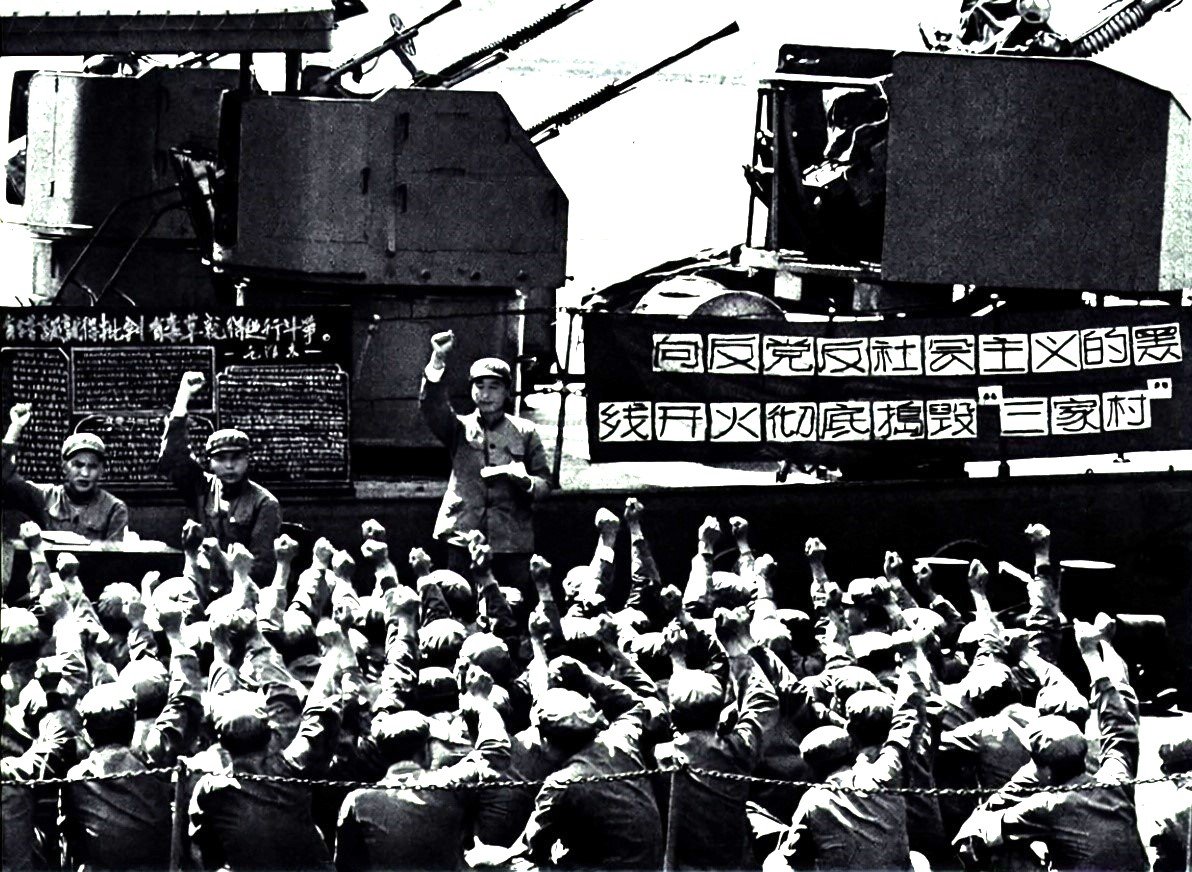
Yet the desire to preserve memory persisted. Elderly researchers continued to write, even when they knew their manuscripts might never be printed. Some entrusted their work to friends abroad. Others stored documents in private collections, hoping that future generations would find them. Their determination echoed earlier moments in Chinese history when scholars protected their writings during periods of repression. They believed that truth could survive even when public space was closed.
China’s silence on the sixtieth anniversary of the Cultural Revolution revealed a deeper reality. The state sought to prevent any reflection that might challenge its authority. The past was treated as a threat. Those who attempted to remember were treated as potential dissidents. The anniversary became an exercise in erasure.
Yet the persistence of private memory showed that administrative orders cannot extinguish history. It remains present in the lives of those who lived through it and in the manuscripts they continue to produce, even when they know that publication may take generations.

Uses a pseudonym for security reasons.