Signs of the law’s rapid (and transnational) enforcement are deeply concerning.
by Ruth Ingram

China’s new Ethnic Unity Law has emboldened Beijing and sparked alarm among exiled Uyghur and other minority groups calling for its repeal.
There are already signs Beijing is enforcing the law, which was passed overwhelmingly by China’s ceremonial legislature in March 2026 and took effect July 1.
On July 4, three Uyghur women were arrested in Urumqi for sending household goods to a sister’s business in Turkey. Norway-based activist and academic Abduweli Ayup told “Bitter Winter” this was no coincidence. There was no explanation given. “It seems to me that they are the first targets of this law.”
The law is already impacting his advocacy. “Once Uyghurs become aware of the law, particularly Article 63 on critics outside the country, they refuse to speak to me,” Ayup said. “One exile who had agreed to an interview backed out, saying: ‘They will arrest me for talking to you.’”
“This is the real effect of this law—when people stop talking about their experiences in the homeland, about human rights, about the genocide,” Ayup said.
Fear has intensified in the diaspora. Some exiles have stopped wearing hijabs and headscarves, Ayup reported, because “though they live abroad, many feel compelled to comply with China’s ethnic law.”
He linked the law to the collapse of Uyghur language education in Europe. “Now we don’t have Uyghur language schools anymore in Norway and Sweden. In other parts of Europe, we only have two schools, in Germany and the Netherlands. This is because of the ethnic unity law.”
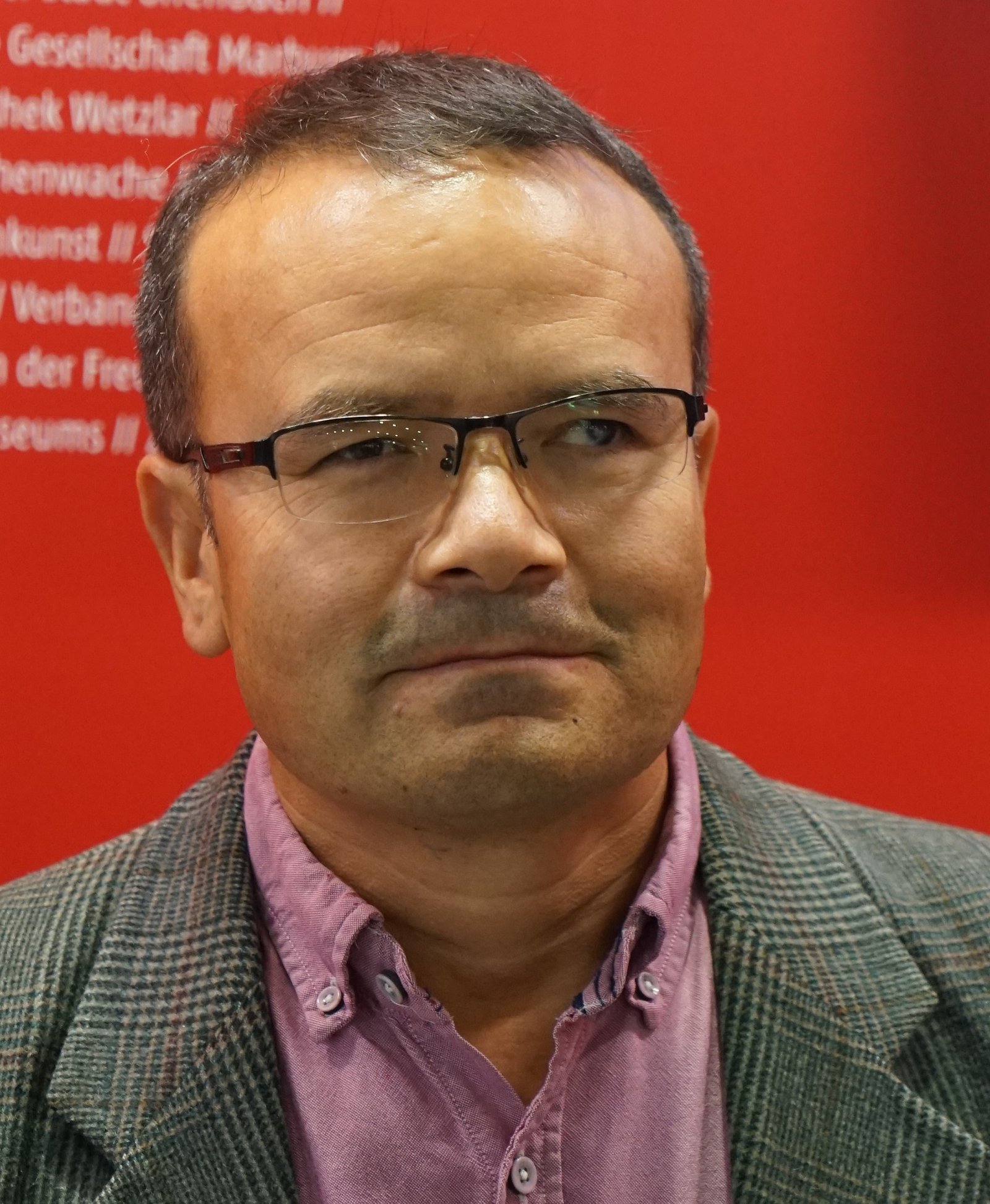
He also lamented the loss of summer schools for exiled children. Enrollment in the Turkish program has halved—from 300 children last year to 153. “It has hit us hard,” he said.
Concerns about the law and its effects on transnational repression grew last week after Morocco detained and deported Dolkun Isa, former president of the World Uyghur Congress, on arrival in Casablanca on July 20 for a religious freedom conference. He was held for 15 hours and given written notice barring entry.
While there is no direct proof the action was tied to the new law, the timing alarmed the WUC, given Morocco’s previous detention of another Uyghur dissident, Idris Hasan, for 3.5 years at the behest of China, despite an annulled Interpol Red Notice.
In a press release, the WUC urged Morocco “to provide a clear explanation for Mr. Isa’s detention and deportation, disclose whether the decision was influenced by information or pressure from China, and remove any outdated or politically motivated records concerning him.”
On July 21, 50 Uyghur diaspora groups signed a joint statement condemning the law and calling for its repeal.
“This law is not a technical administrative measure. It is a legislative instrument of forced assimilation,” it said. It “explicitly conflates the Chinese nation with the CCP and demands that ethnic groups abandon their distinct identities” for Party loyalty and Xi Jinping’s vision of a “Sinified China.”
The statement said the law mandates the Sinicization of religion and builds on policies that have already brought “mass internment, cultural and religious destruction, and the forced separation of children from their families.”
Article 63 is the most alarming. It asserts that individuals and organizations outside China who “undermine ethnic unity and progress” can be held legally responsible under Chinese law. The groups condemned this extraterritorial reach: lawful speech abroad is now subject to Beijing’s jurisdiction. “By allowing this law to stand, states effectively accept Beijing’s authority over people on their own soil—a direct challenge to state sovereignty and the rule of law.”
International bodies have pushed back. On April 30, 2026, the European Parliament adopted a resolution condemning the law and warning it would “intensify the systematic suppression of ethnic identities.” It called for repeal and for EU sanctions against those drafting and implementing it.
On June 15, UN High Commissioner for Human Rights Volker Türk warned the law would “deepen restrictions on freedoms of language, education, practice of religion, culture, expression and assembly” and called for it to be repealed.
The Uyghur groups welcomed these statements but said more is needed. “These statements of themselves are not protection.” They called for U.N. Special Rapporteurs to monitor the law’s implementation and extraterritorial use, for governments to publicly condemn it and protect exiles, and for parliaments worldwide to unite in condemnation. “Cases of transnational repression must be documented and publicized by civil society groups.”
UK-based activist Rahima Mahmut, CEO of Stop Uyghur Genocide, told “Bitter Winter”: “The so-called Ethnic Unity Law is not about unity, it is about legally enforcing the erasure of Uyghur identity. It transforms decades of repression into state policy and is the clearest legal evidence yet of Beijing’s genocidal intent, placing the destruction of a people’s identity under the protection of law.”

Ruth Ingram is a researcher who has written extensively for the Central Asia-Caucasus publication, Institute of War and Peace Reporting, the Guardian Weekly newspaper, The Diplomat, and other publications.