A report reveals how CGTN’s polished façade conceals a system in which censorship governs every layer of news production, and journalists operate under constant supervision.
by Hu Zimo
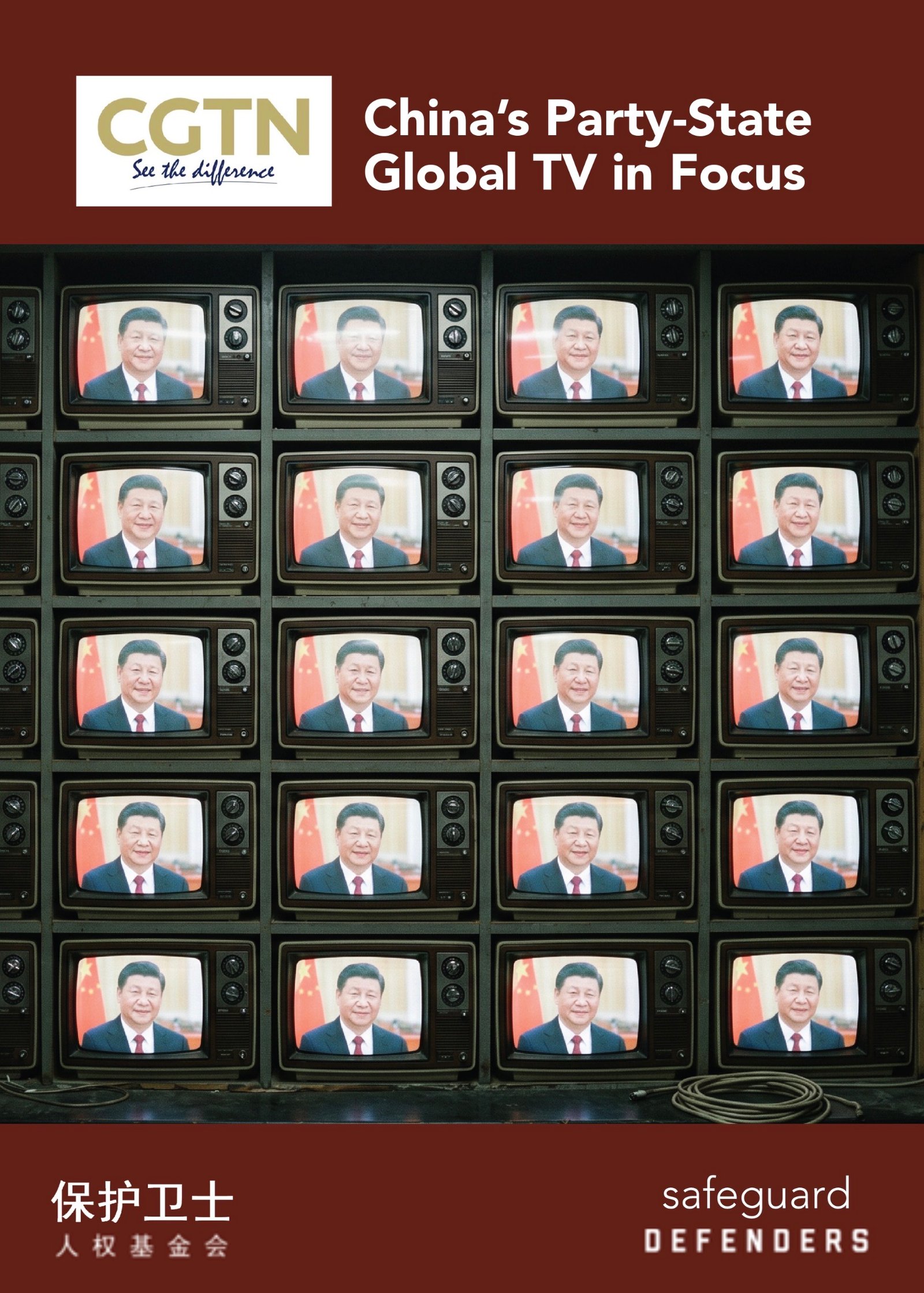
The report titled “See the Difference” released this month by Safeguard Defenders, and discussed by Chinese netizens notwithstanding the censorship, offers a detailed reconstruction of how China Global Television Network functions inside the architecture of the Chinese Communist Party. It describes a broadcaster that presents itself as international and professional while operating within a structure designed to transmit Party-approved narratives.
The transformation from CCTV-9 to CGTN, housed in the skyscraper known as “the big pants,” created an image of modernity that impressed visitors and employees. Behind this image, however, the newsroom resembled a controlled chamber rather than a space for discussion. Former staff members recalled that “this was the most impressive-looking place I’d ever been allowed to work in, and yet on the inside it was soporific,” and another added that “that newsroom in China was like a library.”
The report explains how anchors and reporters follow rigid scripts with no room for deviation. Copy editors work under the supervision of Chinese “teachers” who examine every line for political correctness. Captions and tickers are approved in advance and cannot be changed once the broadcast begins. The newsroom becomes a place where compliance replaces inquiry, and where the appearance of professionalism masks a system of ideological control.
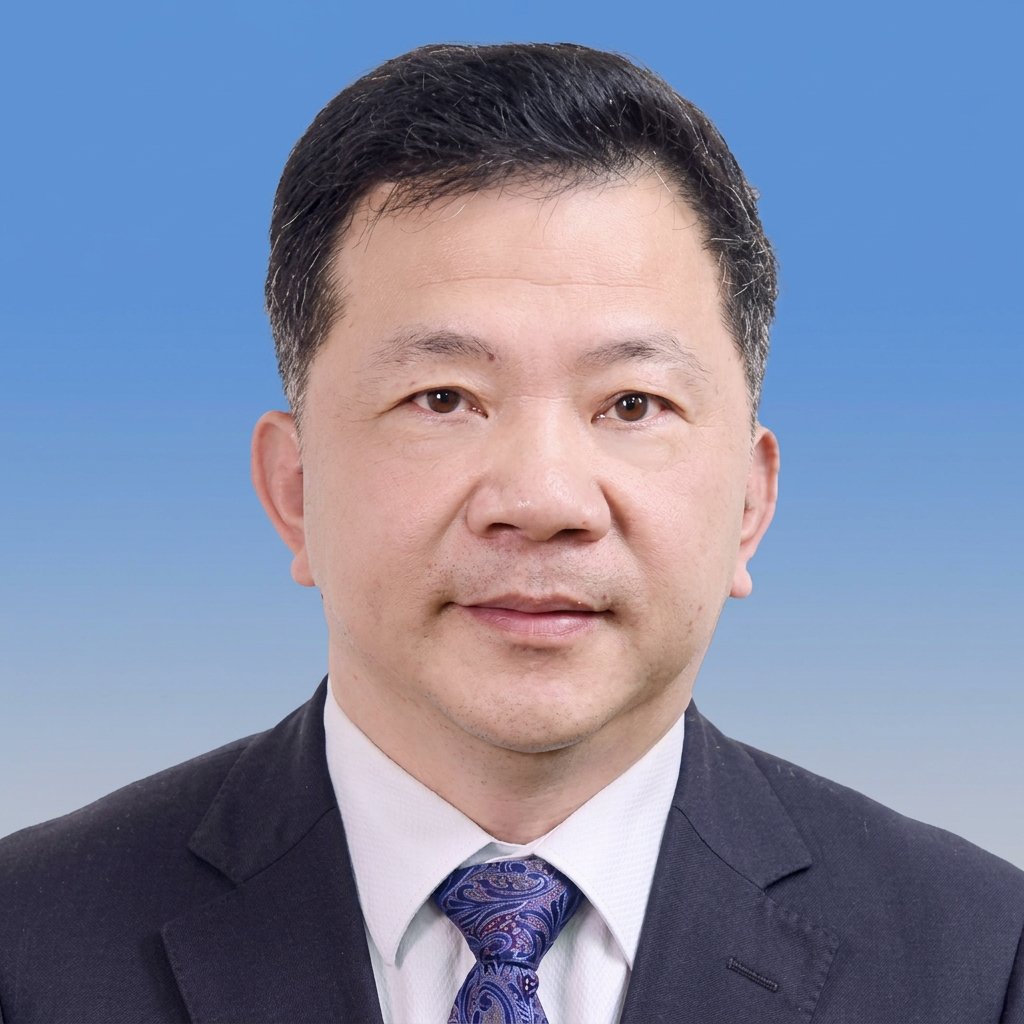
This structure is anchored in CGTN’s position within China Media Group, which the Central Propaganda Department oversees. Shen Haixiong’s appointment as President of CMG confirms the organization’s political nature. The report shows how claims of “objectivity, rationality and balance” serve as slogans rather than principles. Coverage of international events follows predetermined lines. In reporting on the Russia–Ukraine conflict, CGTN adopted Russian language and avoided terms such as “invasion,” presenting Moscow’s actions as “a special operation.” On Xinjiang, the channel filled platforms with positive stories about development and culture while presenting detention camps as “vocational training centers.”
Former employees described how propaganda shaped their daily work. One recalled that the large amount of propaganda they handled took many by surprise. Propaganda always trumped news value; the audience was always secondary.` Sensitive topics were avoided, and some staff members left the channel because they could not reconcile their work with the demands imposed on them. Stories that might have carried credibility were altered or censored. Anchors read from the autocue without the option to adjust a sentence, and those who questioned the process risked reprimand.
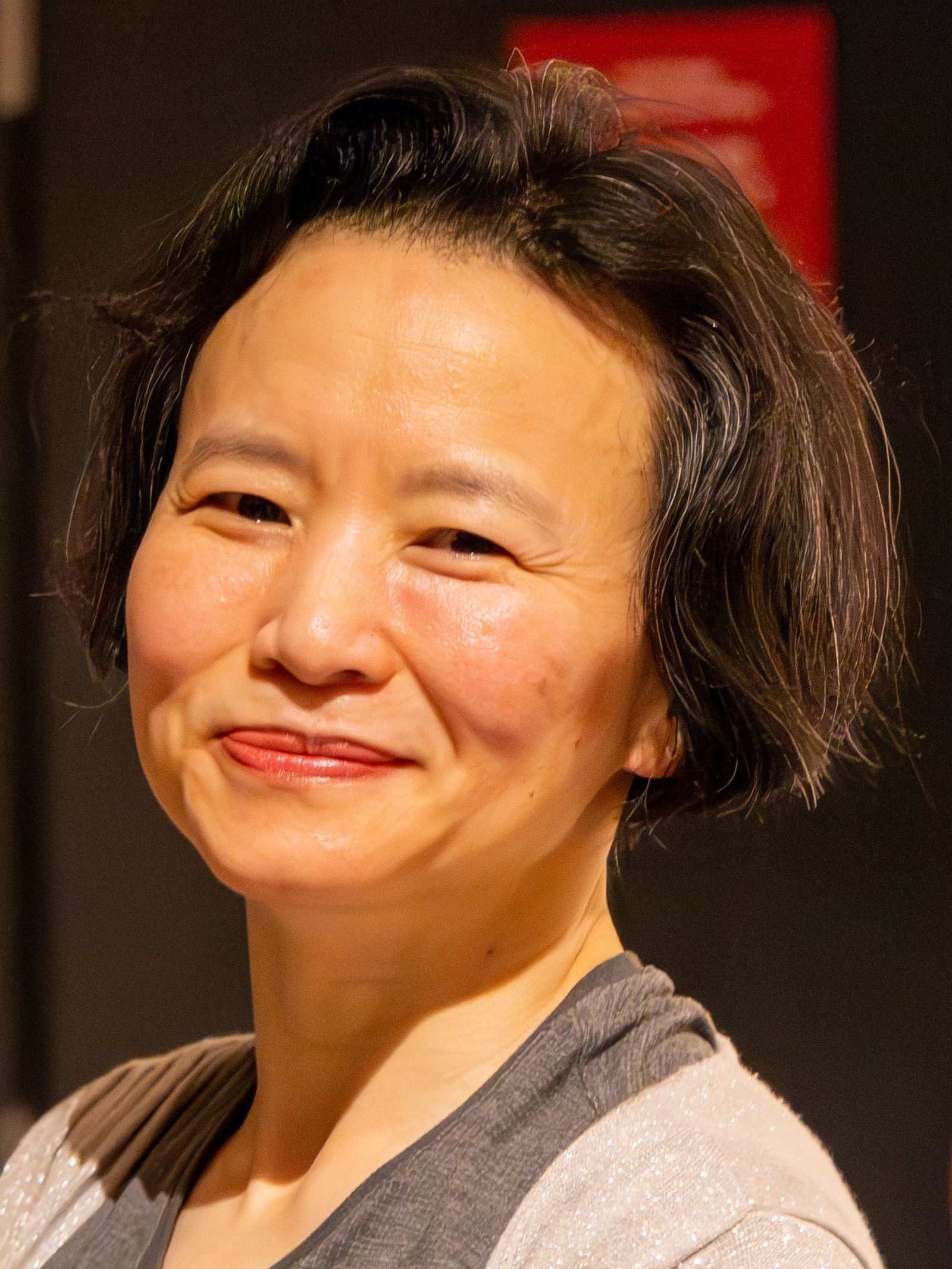
The case of Cheng Lei illustrates the consequences of this environment. The Australian journalist disappeared from public view in 2020 after being detained secretly for six months. CGTN did not report her arrest and removed her presence from its website. In later interviews, after she was released and allowed to return to Australia in 2023, she described the risks journalists face when they believe their professional status protects them. She stated that “it’s terrifying how lax we were and thinking we were safe, but if it can happen to Cheng Lei, it can happen to anyone.” Her experience shows how the channel operates within a political system where employees can be erased without explanation.
Censorship appears in both external directives and internal silence. Leaked documents from the Propaganda Department regulate coverage of protests, economic data, and international events. Self-censorship emerges from fear. One former employee explained, “I knew certain things just didn’t get reported on at CGTN,” and added that suggesting a story contrary to government preferences was unthinkable. Anchors confirmed that they could not write their own questions or adjust captions once the broadcast started. The atmosphere was described as one where “you had to watch what you say on air or off air in case the wrong ears picked up on it.”
Despite this environment, CGTN expanded its global presence. By 2025, it claimed to reach more than 200 million viewers through streaming and social media. Engagement remained low, yet the channel kept launching new formats and distributing content on platforms banned in China. The report explains how these efforts serve a broader strategy: shaping international perceptions of China and reducing the visibility of dissent. The presence of a “Disinformation report hotline” on CGTN’s website adds an ironic layer, as the channel manages its narrative while denying its propagandistic nature.
The report concludes that CGTN’s façade of diversity and impartiality conceals a system where ideology governs every decision. As China’s global influence grows, understanding the mechanisms behind CGTN becomes essential for governments, media professionals, and viewers. The report invites readers to “see the difference” between the polished broadcast and the reality behind it, reminding them that the screen often hides more than it reveals.

Uses a pseudonym for security reasons.