A report reveals how CGTN’s polished façade conceals a system in which censorship governs every layer of news production, and journalists operate under constant supervision.
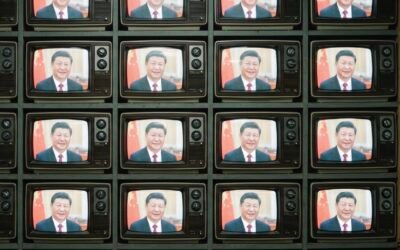

A report reveals how CGTN’s polished façade conceals a system in which censorship governs every layer of news production, and journalists operate under constant supervision.
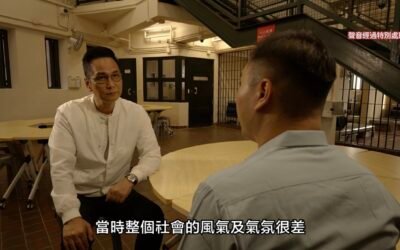
A machinery of remorse reminiscent of Stalin and Mao compels dissidents to confess and apologize publicly on TV.
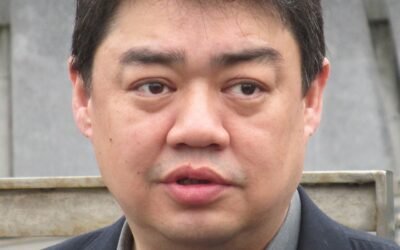
How Uyghur students helped shape China’s 1980s reform era, and a democratic awakening became recast as a security threat.
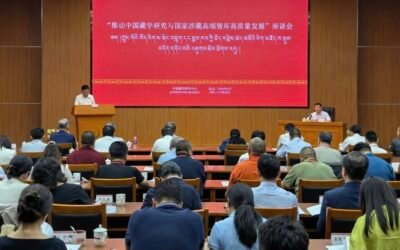
Beijing gathers Tibet experts to reaffirm that research must serve ideology and shape global narratives.
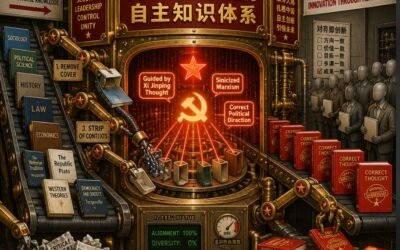
A CCP manifesto reveals how scholarship is being redesigned as an instrument of ideological discipline.

A campaign in Lishui, Zhejiang, shows how the fight against “heterodox teachings” now targets even young pupils.

Soyonbo Borjgin’s PropagandaScope provides an effective new lens on the CCP’s machinery of erasure.
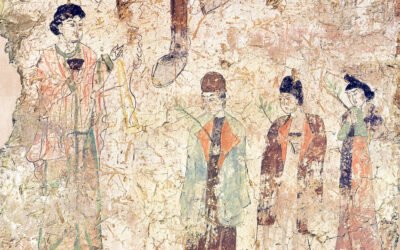
Political Sinicization is not the only possible or desirable form of Sinicization. A new book on Jingjiao offers an alternative.

In Xi’s China, even atheism has good Feng Shui—as long as the state is the only geomancer in town.
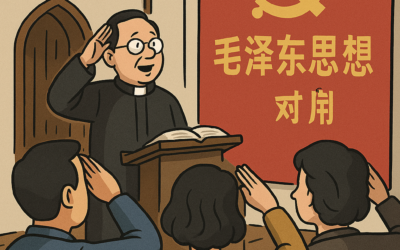
The government-controlled church rushes to embrace the Party’s new ideological rulebook, proving once again that its deepest creed is political obedience.