Ten suspects, including leaders of two Fujianese associations, allegedly tracked and stalked a dissident influencer on behalf of the Chinese police.
by Massimo Introvigne
For years, human rights organizations have warned that the Chinese Communist Party (CCP) follows its critics well beyond China’s borders. Italy has now produced judicial evidence of this “transnational repression” on its own soil. On October 28, 2026, the Public Prosecutor’s Office in Milan announced it had closed its investigation into ten people, four of them accused of forming a criminal association to monitor, intimidate, and silence Chinese dissidents living in Italy.
Under Italian criminal procedure, closing an investigation is the step that comes before the prosecutor asks a judge to send suspects to trial. The ten people under investigation have not yet been formally charged, and they remain presumed innocent. Even so, the end of an inquiry that lasted years confirms that investigators found enough material to argue the case in court.
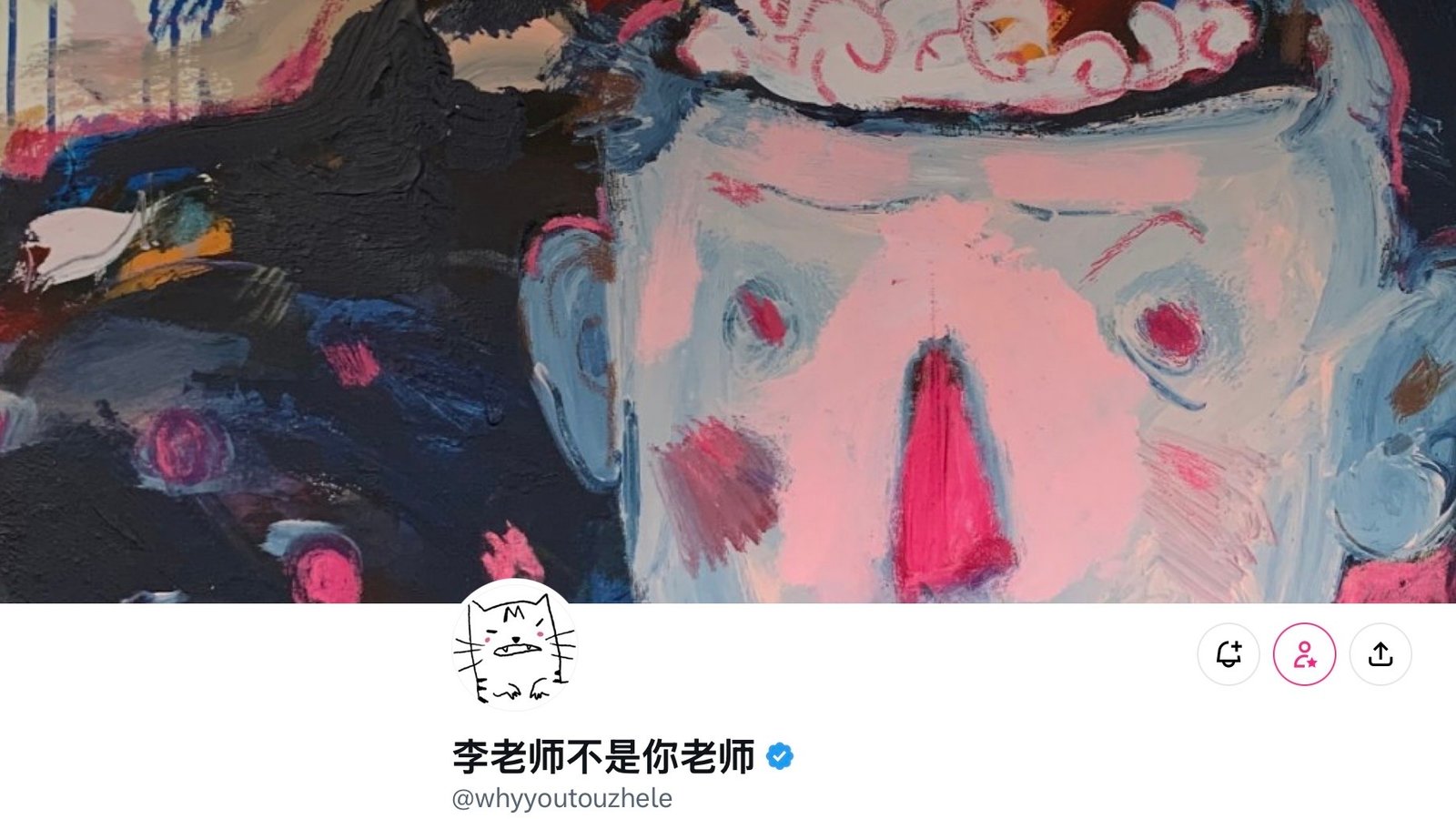
The investigation was coordinated by prosecutor Alessandro Gobbis and carried out by the DIGOS of Turin, the branch of the Italian State Police that handles politically motivated crimes. Its main target was the harassment of Li Ying, a 34-year-old Chinese artist living in Italy who is known online as “Teacher Li.” His account on X has about two million followers, and he has become one of the most widely followed sources of uncensored news about China. He rose to international prominence in 2022 by posting videos of protests and incidents that Chinese censors were deleting at home, and his followers often send him material they cannot publish themselves.
That work has come at a high price. Li has said that in 2022 Chinese police contacted his parents, visiting them at night and asking who was paying their son. In Italy, he has had to move repeatedly and live in semi-hiding, shifting between Turin and Milan. He has also reported that Chinese authorities questioned some of his followers inside China, a tactic aimed at shrinking his audience by frightening those who read him.
According to the prosecutors, all ten suspects, including two Italian citizens, took part in a series of stalking episodes against Li in Milan and Turin between 2023 and July 2025. Their alleged purpose was to “dissuade him from persevering” in what the indictment, echoing the vocabulary of Beijing, calls his “propaganda” against “Chinese government policies.” Investigators reportedly started looking into the case in 2025, after evidence emerged that Li had been followed and filmed. During one search, police found on a laptop around ten videos, some of them showing the area around his home in Milan.
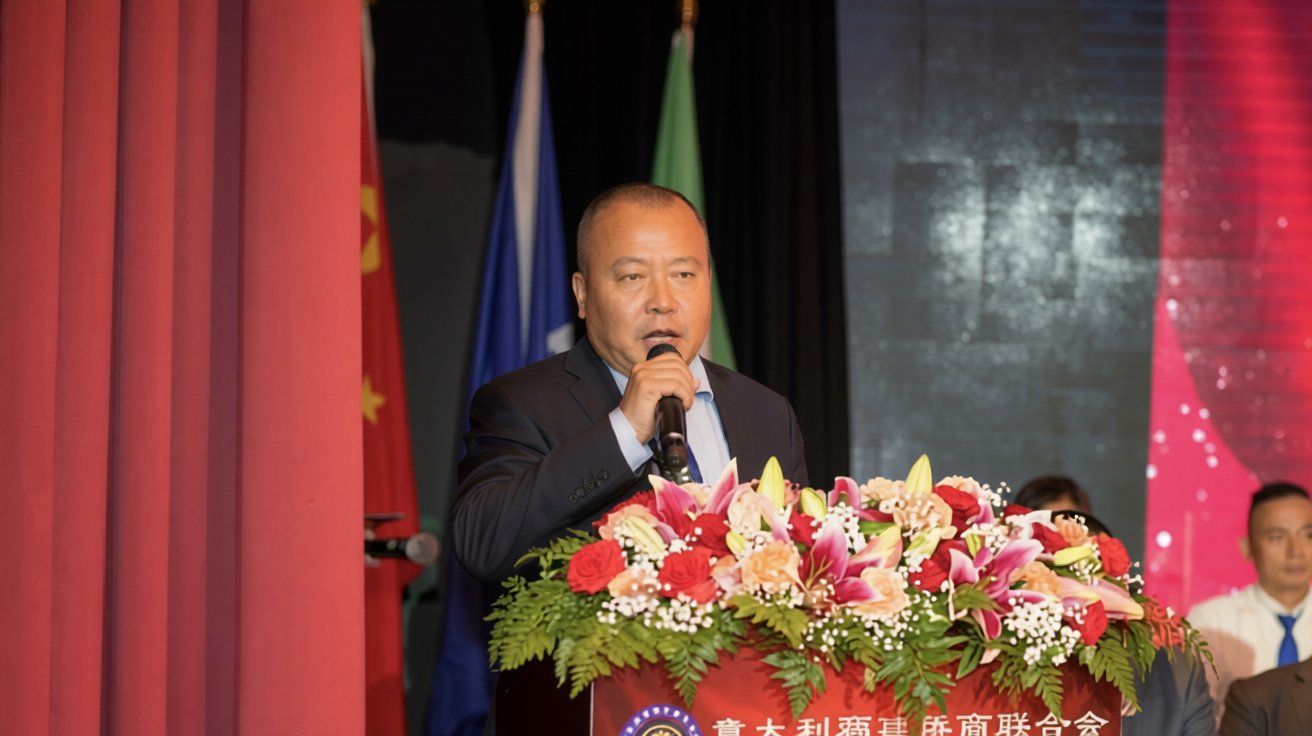
The most serious accusation concerns the alleged criminal association. Prosecutors say its goal was to prevent dissidents from spreading information about conditions in their country of origin and from exercising their freedom of expression. A central figure, according to the investigators, is Wang Songqiang, 57, who lives near Milan and serves as vice president of the Association of Fujian Chinese in Milan. Prosecutors claim he acted “on behalf of the Chinese police,” maintained constant contact with Chinese diplomatic personnel and with members of the United Front Work Department, and coordinated the search for dissidents including Li, while also personally taking part in tracking them.
The United Front Work Department is the CCP body that manages relations with Chinese communities abroad and seeks to steer them in line with Party interests. Its presence in an Italian criminal file is significant, since international researchers have long described it as a key instrument for influencing and policing the diaspora.
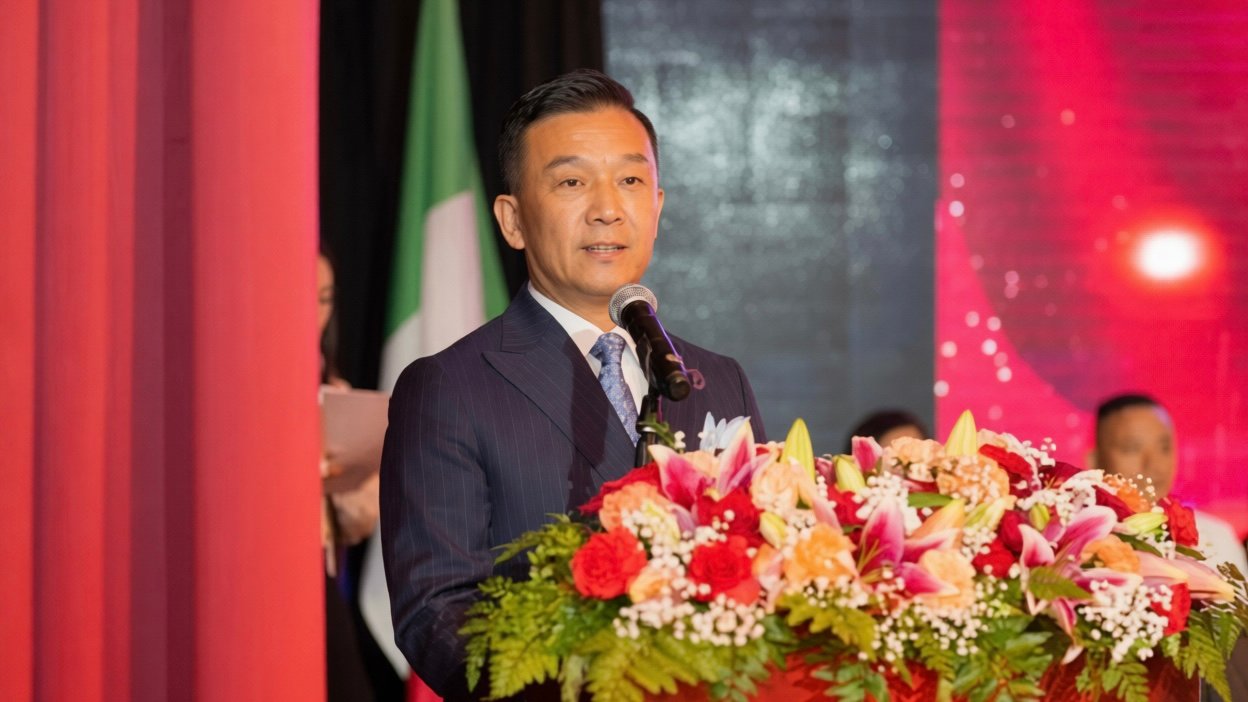
Another alleged member of the association is Liu Zhengang, president of the Italian Association of Fujian Chinese Entrepreneurs, who prosecutors say also acted on instructions from the Chinese police and joined in searches and stakeouts. A third suspect, Zhao Jianbin, is accused of recruiting fellow Chinese nationals to follow targets while staying in close touch with Chinese authorities present in Italy. Zhao also allegedly gathered reports from informants through a WeChat group in which participants had discussed “tracking down Li” since at least March 2025. The remaining six suspects are accused of carrying out surveillance and shadowing without being permanent members of the group.
The case fits a pattern documented in several democratic countries. In 2022, the NGO Safeguard Defenders reported that police departments from China’s Zhejiang and Fujian provinces had set up informal “service stations” abroad, several of them in Italy, which were sometimes used to pressure emigrants and critics to return home or fall silent. Italian authorities opened inquiries at the time, and similar cases have since gone to court in the United States, the Netherlands, and elsewhere. Fujianese community associations featured prominently in those reports, which makes the roles allegedly played by the leaders of two such organizations in Milan especially noteworthy.
Italy had once gone in the opposite direction, hosting joint patrols of Italian and Chinese police officers in tourist areas between 2016 and 2019. The Milan investigation shows that the country’s law enforcement now treats the activities of Beijing’s security apparatus on Italian territory as a potential crime against the people it targets and against Italian sovereignty.
For Chinese dissidents in Europe, the message carries weight. Exile has offered them only partial protection, as surveillance, threats against relatives at home, and intimidation of followers continue to reach them. A trial in Milan would give Italian judges the chance to examine in detail how this machinery works, and to establish whether the CCP’s campaign against a painter with a smartphone and an audience of millions crossed the line into organized crime.
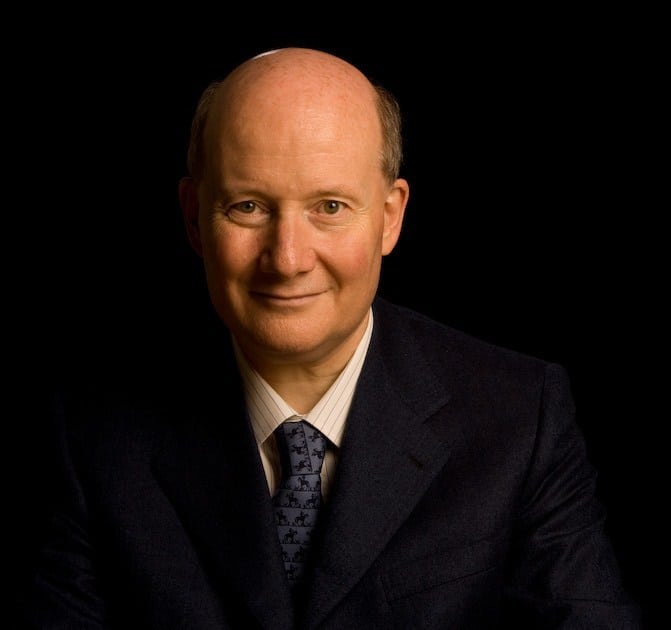
Massimo Introvigne (born June 14, 1955 in Rome) is an Italian sociologist of religions. He is the founder and managing director of the Center for Studies on New Religions (CESNUR), an international network of scholars who study new religious movements. Introvigne is the author of some 70 books and more than 100 articles in the field of sociology of religion. He was the main author of the Enciclopedia delle religioni in Italia (Encyclopedia of Religions in Italy). He is a member of the editorial board for the Interdisciplinary Journal of Research on Religion and of the executive board of University of Pennsylvania Press’ Nova Religio. From January 5 to December 31, 2011, he has served as the “Representative on combating racism, xenophobia and discrimination, with a special focus on discrimination against Christians and members of other religions” of the Organization for Security and Co-operation in Europe (OSCE). From 2012 to 2015 he served as chairperson of the Observatory of Religious Liberty, instituted by the Italian Ministry of Foreign Affairs in order to monitor problems of religious liberty on a worldwide scale.