A new report finds nearly 1,250 liaison points abroad, keeping watch on the diaspora, harassing dissidents, and targeting groups labeled as “xie jiao.”
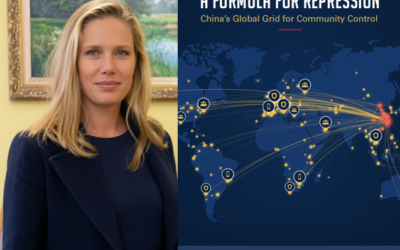

A new report finds nearly 1,250 liaison points abroad, keeping watch on the diaspora, harassing dissidents, and targeting groups labeled as “xie jiao.”
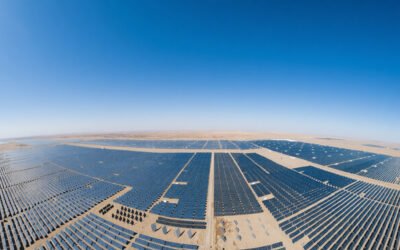
Huge photovoltaic parks, a power line to Guangdong, data centers, and copper mines suggest that Beijing’s green agenda on the plateau also serves strategic goals.

Ten suspects, including leaders of two Fujianese associations, allegedly tracked and stalked a dissident influencer on behalf of the Chinese police.
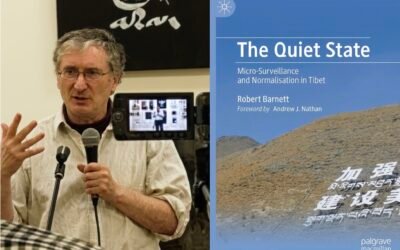
Robert Barnett’s book unveils new ways invented by the regime to control Tibetans, particularly nuns and monks.

In 1991, he filmed forced labor inside Chinese penal colonies for “60 Minutes.” Fear of reprisals left his story unpublished for more than three decades.
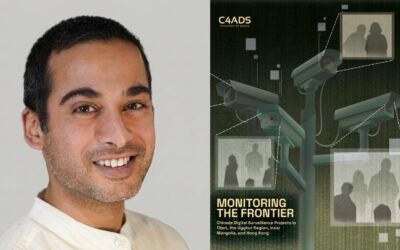
A C4ADS study follows tenders and invoices across Xinjiang, Inner Mongolia, Tibet, and Hong Kong to name the companies supplying Beijing’s watchers.

A nationwide system now merges digital extraction, algorithmic profiling, and immersive simulation to push Party ideology into every citizen’s daily life.
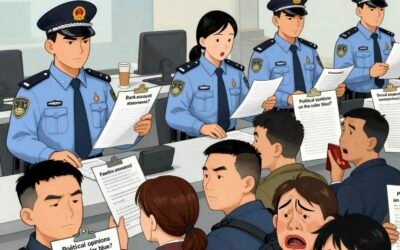
A system where exit is a privilege that can be withdrawn burdens ordinary travelers, while criminals (unfortunately) and dissidents (happily) will continue to buy their way out.

From WhatsApp groups and diaspora media to Türkiye and Syria, the Anthropic report reveals how technology expands Beijing’s repression.

China misused Claude to target dissidents, religious minorities, and journalists—including some who write for “Bitter Winter.”