A man accused of crimes committed in Crewe at a time when he had never set foot in the United Kingdom exposes an ill-conceived police operation
by Massimo Introvigne
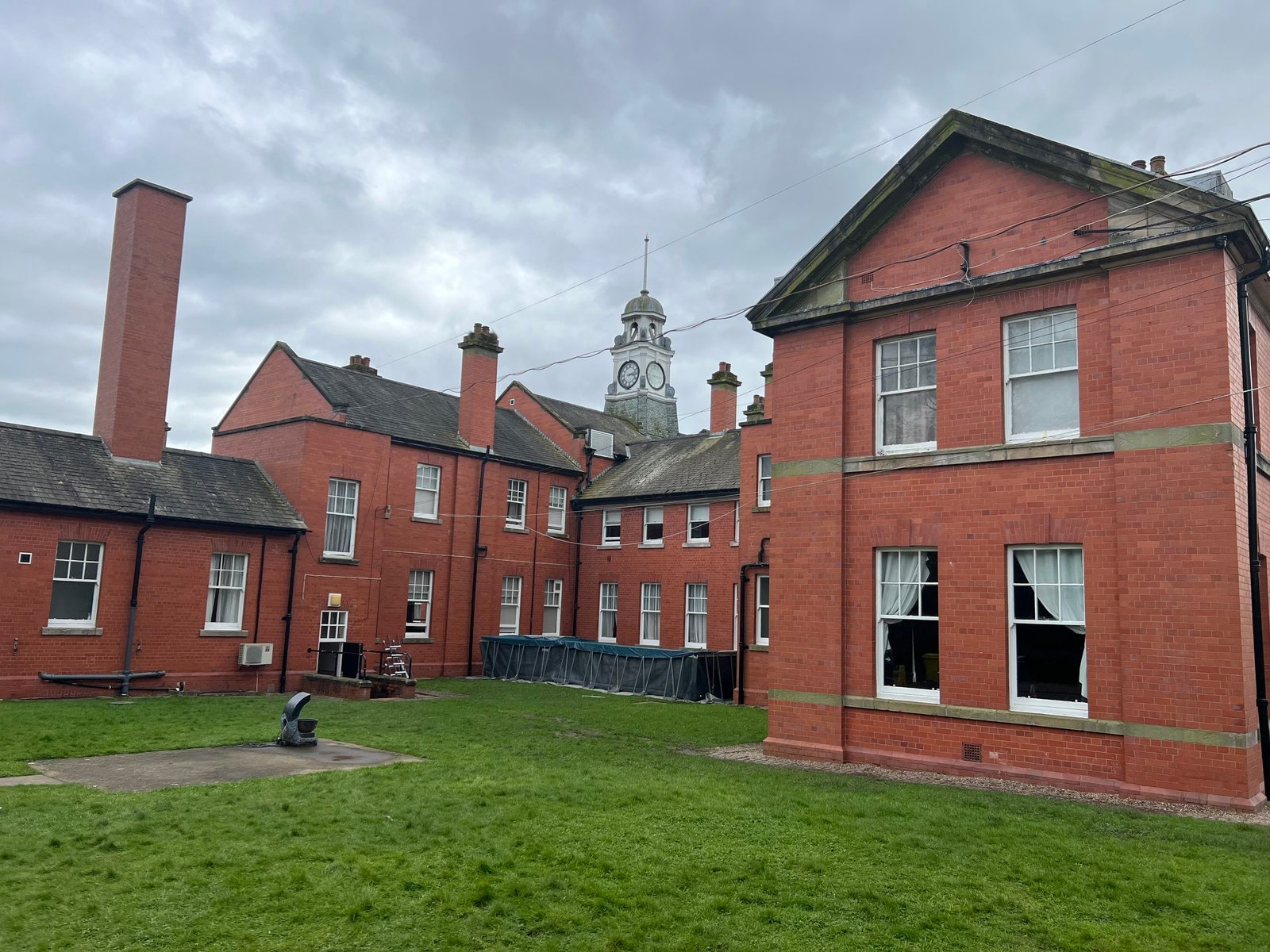
The Ahmadi Religion of Peace and Light (AROPL) investigation in Crewe has produced many troubling elements, but the case of Ivan M. now stands out as its most surreal. He is thirty‑one, Mexican, and one of the original thirteen suspects swept into the April 29 raid at Webb House. Except he was not at Webb House on April 29. He was not even arrested then. He was not even in the country when the alleged crime occurred.
Ivan entered the United Kingdom for the first time on January 6, 2025. His passport confirms it. Border Force confirms it. The Home Office confirms it. The calendar confirms it. Yet his arrest summary, issued when he was detained on May 8, 2026, in Croydon during a routine visa appointment, confidently accused him of human trafficking and sexual assault committed in Crewe in August 2023. The accusation required him to be in the United Kingdom almost a year and a half before he actually arrived. This detail did not trouble the investigators.
The consequences were immediate and severe. Ivan was separated from his home in Crewe, from his place of worship at Webb House, and from his partner. He was placed under restrictions that lasted nearly six months. He was forbidden from contact with minors. His electronic devices were seized. His daily life was reorganized around an accusation that could not have been true.
His lawyer, Verinder Dharna, informed the lead investigators on June 17, 2026, that Ivan had not been in the country at the time of the alleged assault. The police had his passport in their possession. They had the entry stamps. They had the dates. They had the evidence. They did not have the urgency to correct their mistake. It took until October 15, 2026, for the case to be dropped. On October 17, a Detective Sergeant finally informed Ivan that no further action would be taken.
The timeline raises questions that go beyond one defendant. A man who could not have been present at the scene of the alleged crime was treated as if he had been. The police operation proceeded for months without reconciling its own allegations with the basic facts of international travel. The investigation’s confidence in its narrative overshadowed the simplest verification: whether the accused had been physically present in the country.
Ivan’s experience now hangs over the entire AROPL proceedings. It is not a minor oversight but a structural failure. A case built on sweeping accusations has revealed that at least one of them was impossible. The implications extend to every decision made since the raid, every restriction imposed, and every assumption that shaped the prosecution’s theory.
Ivan will finally recover his devices. He will finally resume his life. But the question remains: if the police could pursue a man for half a year for a crime committed before he ever entered the United Kingdom, what does this say about the rest of the case?
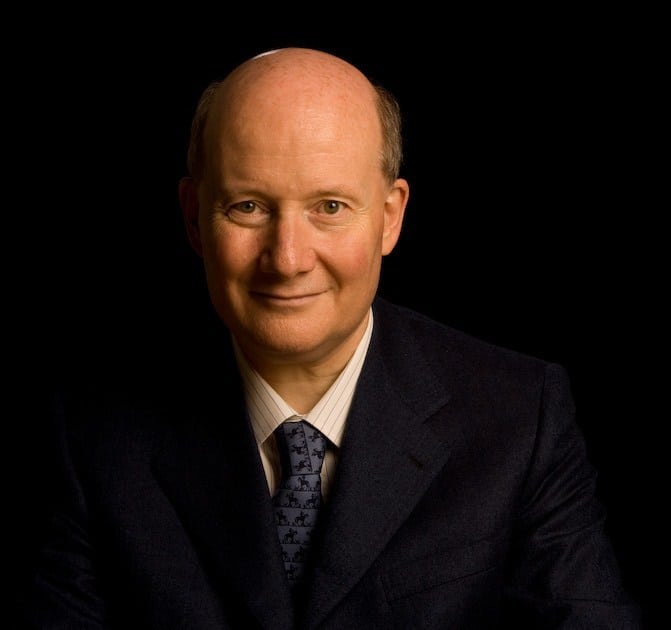
Massimo Introvigne (born June 14, 1955 in Rome) is an Italian sociologist of religions. He is the founder and managing director of the Center for Studies on New Religions (CESNUR), an international network of scholars who study new religious movements. Introvigne is the author of some 70 books and more than 100 articles in the field of sociology of religion. He was the main author of the Enciclopedia delle religioni in Italia (Encyclopedia of Religions in Italy). He is a member of the editorial board for the Interdisciplinary Journal of Research on Religion and of the executive board of University of Pennsylvania Press’ Nova Religio. From January 5 to December 31, 2011, he has served as the “Representative on combating racism, xenophobia and discrimination, with a special focus on discrimination against Christians and members of other religions” of the Organization for Security and Co-operation in Europe (OSCE). From 2012 to 2015 he served as chairperson of the Observatory of Religious Liberty, instituted by the Italian Ministry of Foreign Affairs in order to monitor problems of religious liberty on a worldwide scale.