How Haruhisa Nakagawa’s encounters with believers, activists, and victims revealed a human rights crisis concealed behind a powerful public narrative.
by Massimo Introvigne
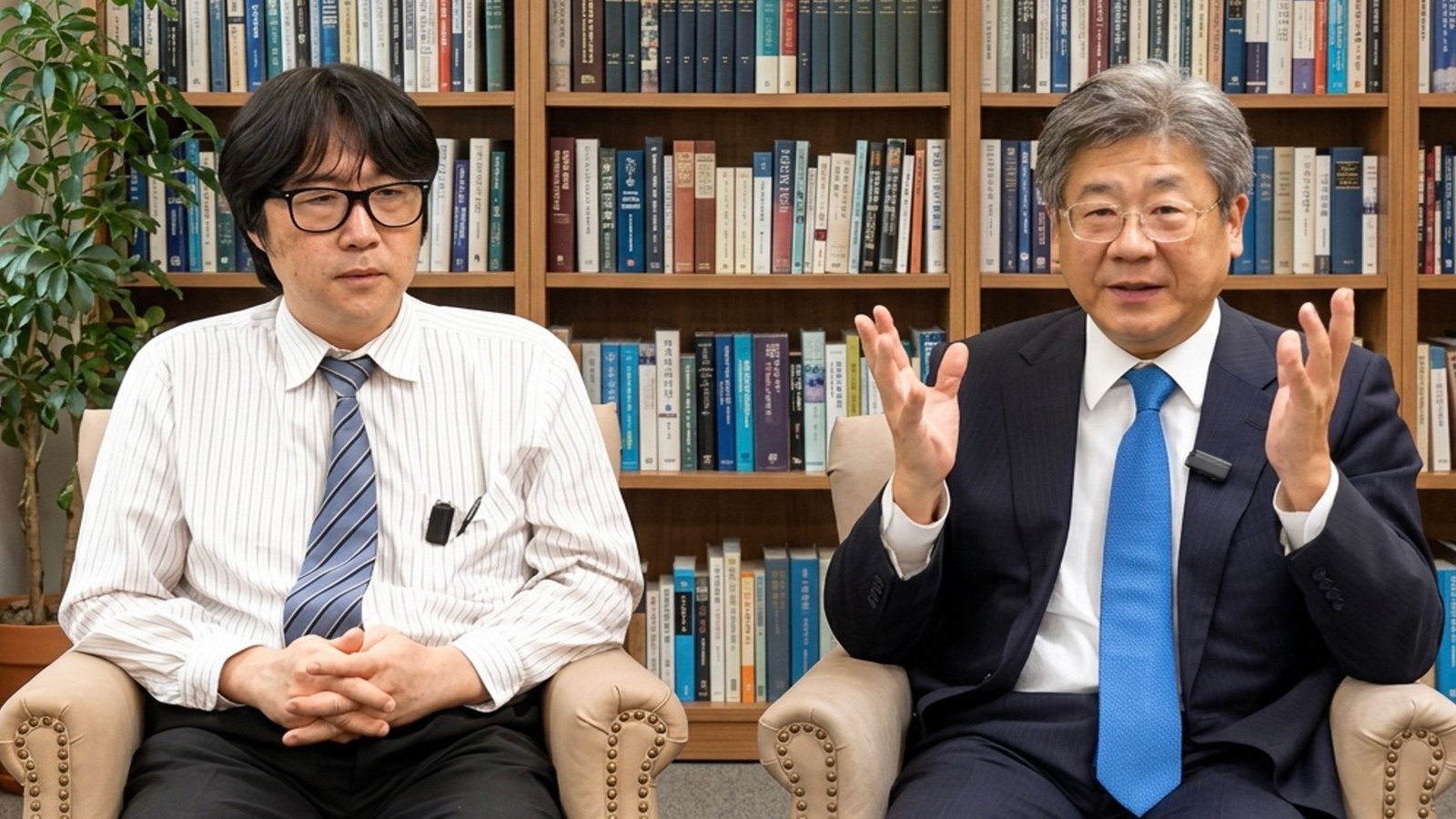
Eitaro Ogawa is known in Japan as a literary critic who has spent years examining the ways public narratives are constructed and how they influence political and judicial processes. His work often examines how certain groups become targets of suspicion and how institutions respond once a narrative takes hold. Pastor Haruhisa Nakagawa is a Christian minister and a board member of the Tokyo Christian Theological Institute. His long pastoral experience, combined with his early involvement in anti‑Unification Church activism, put him in a position to encounter both believers and their critics.
The theme of their conversation is the abduction and confinement of Family Federation (formerly called Unification Church) believers for purposes of forced conversion, i.e., to compel them to renounce their faith—the practice commonly known in the West as deprogramming, of which more than 4,000 Japanese devotees became victims. The dialogue brings together Ogawa’s analysis of public discourse and Nakagawa’s direct encounters with victims, activists, and church members, creating a perspective that illuminates the human rights issues surrounding abduction and confinement.
Ogawa begins by observing that members of the Family Federation possess a depth of faith that shapes their response to suffering. He explains that some believers may interpret abduction and confinement as a form of divine trial, an ordeal to be endured rather than exposed. Nakagawa agrees, adding that this tendency has allowed thousands of cases to remain hidden. Ogawa insists that four thousand incidents cannot be regarded as an internal matter for one religious community. He argues that Japanese society must confront the fact that it allowed such acts to continue for decades and that silence has become part of the injustice. Nakagawa expands on this point by noting that the lack of accountability has allowed those responsible for the confinement to continue their activities and even take leading roles in shaping public opinion against the Family Federation. He asks how long the country intends to leave this condition unaddressed.
Nakagawa recounts how his involvement began when he was twenty‑seven. A mother brought her daughter to his church and asked for help persuading her to leave the former Unification Church. Several months later, the daughter fled barefoot through the window of her apartment, fearing that she would be confined. Nakagawa said he had no framework for understanding the event and began reading every book he could find on the movement. The literature consisted almost entirely of works written by its opponents, and he absorbed their claims without hesitation. His interest in Christian theology and its historical disputes reinforced his belief that he was confronting a dangerous organization. He continued his research convinced he was dealing with a serious threat.
Years later, he decided to test his assumptions directly. In 2012, six months after the death of the Unification Church’s founder, Reverend Sun Myung Moon, he visited the Yokohama Family Church undercover. He introduced himself as someone seeking guidance and was welcomed without suspicion. According to Nakagawa, the atmosphere he encountered differed completely from the image the books had created. The church was lively, and members spoke openly about their experiences. Young people described the community as a place where they could share their thoughts without fear. Nakagawa said he expected a somber environment shaped by coercion and instead found a setting filled with ordinary human warmth. The contrast left a deep impression on him.
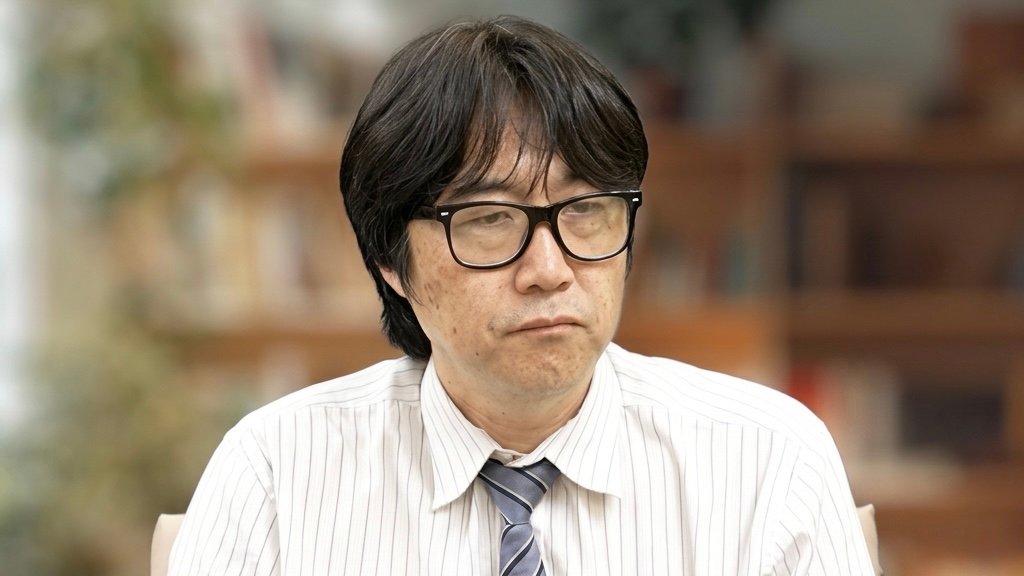
Around the same time, he attended a gathering organized by the anti-cult organization National Network of Lawyers Against Spiritual Sales at the invitation of journalist Eight Suzuki. The event brought together figures who frequently appeared on television to discuss the Family Federation. According to Nakagawa, the activists interacted with one another as close colleagues despite presenting themselves publicly under different professional roles. At the reception, he told attorney Goro that a pastor had once told a believer he was the seven hundred sixty‑fourth person he had confined and that six others were being held at the same time. Nakagawa recounts that Goro reacted with sudden anger, and his reaction seemed directed at the pastor for speaking openly about the number rather than at the act of confinement itself. Nakagawa later realized that this moment exposed a deeper problem. The issue concerned not only confinement itself but also the culture surrounding it.
He continued attending meetings led by Pastor Hisoka Murakami for a year. According to Nakagawa, the same group of participants appeared each time, recounting the same experiences. He began to suspect that the gatherings were reinforcing a narrative rather than helping anyone recover. He felt increasingly out of place and eventually left. Only later did he understand that some of the individuals present had themselves been confined and that the meetings were part of a larger pattern.
Nakagawa described how a young man confined for three months visited his church shortly after escaping. Nakagawa said the man appeared disoriented and exhausted and that the experience had left him with lasting psychological distress. The encounter reinforced Nakagawa’s sense that the problem was far larger than he had previously imagined.
The assassination of former Prime Minister Shinzo Abe marked a turning point in Nakagawa’s thinking. He had created a social media group supporting Abe and had observed how certain activists promoted extreme claims about the Family Federation. After the attack, he began to question whether such rhetoric had contributed to the climate that made the crime possible. According to Nakagawa, he challenged the activists directly and found that their responses did not address his concerns. This led him to reconsider the entire structure of the anti‑Family Federation movement.
The decisive change came through conversations with former representatives of the Family Federation and with Toru Goto, a survivor of abduction and lengthy confinement. Nakagawa learned that the officially reported number of deprogramming victims exceeded four thousand and that the true number might be far higher, even approaching 10,000. He discovered that some victims had never been included in any list and that even individuals involved in supporting victims sometimes learned only recently that their own acquaintances had been confined. According to Nakagawa, the fragments he had encountered over the years formed part of a vast and systematic pattern of abuse. He abandoned his earlier views completely and concluded that seeking the dissolution of the Family Federation based on civil judgments alone amounted to an act of judicial self‑harm. He rejected the phrase “protective persuasion” used by anti-Unification-Church lawyers as a trivialization of confinement and described it as language that diminishes human suffering.
Nakagawa now works to bring deprogramming victims’ voices to public attention. At a gathering in Chiba organized by the Association for the Protection of Religious Freedom, seven individuals identified themselves as victims during a simple exchange of business cards. According to Nakagawa, the experience reinforced his belief that the scale of the problem has never been understood. He has launched an interview program featuring survivors and has already completed several sessions. He aims to document the experiences of thousands of victims and to establish that the issue concerns Japanese society as a whole. He argues that pastors who allegedly carried out confinement have not been held accountable and that some have continued their activities. He believes that the narrative portraying the Family Federation solely as a perpetrator must be corrected by presenting the testimonies of those who suffered confinement.
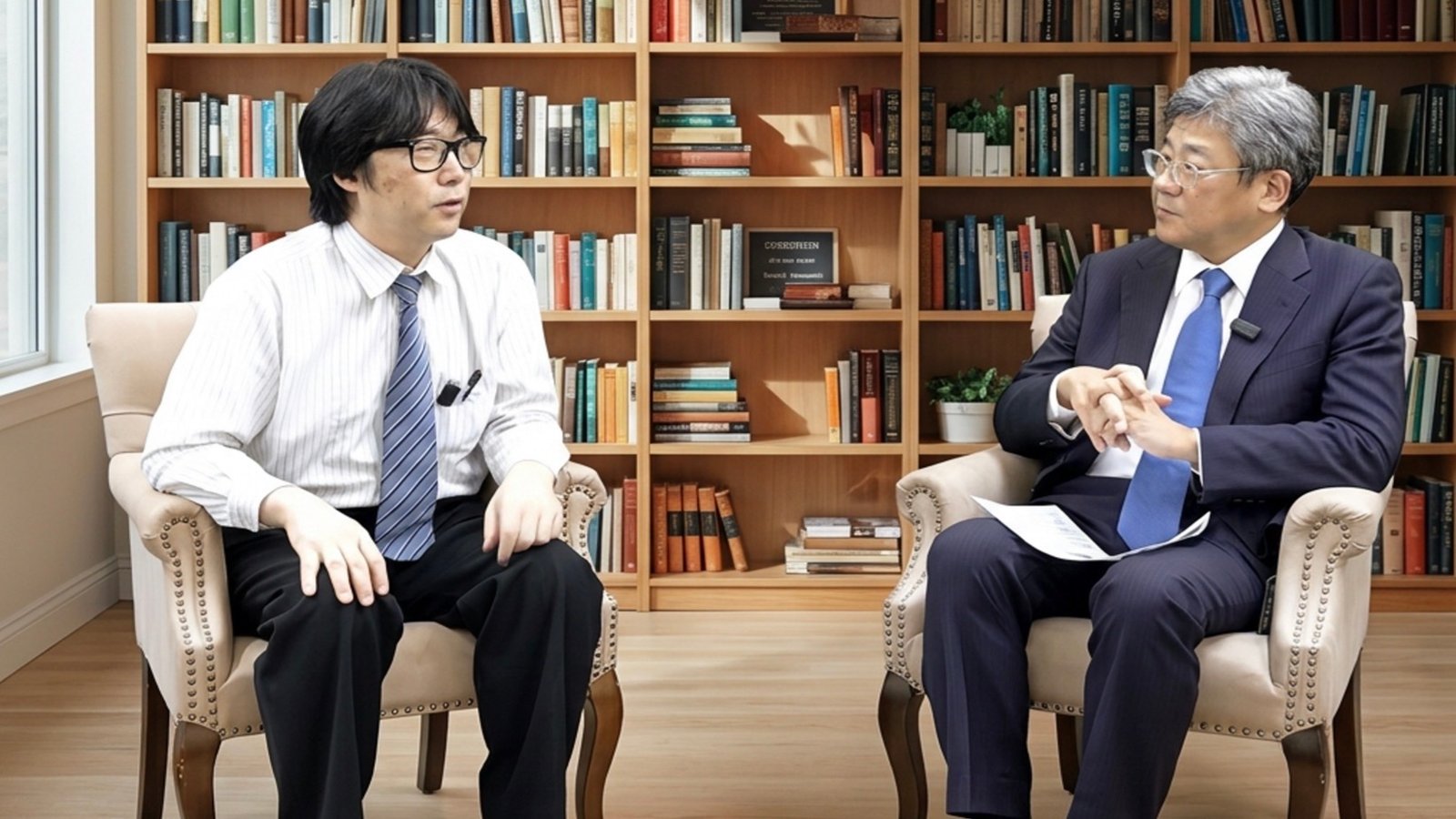
In the video, Ogawa listens to Nakagawa’s account and remarks that the believers’ reluctance to speak has kept the problem hidden. He explains that faith can create a sense of endurance that prevents victims from seeking help. Nakagawa agrees. Both men conclude that Japanese society must confront the reality of abduction and confinement and that silence has become part of the injustice. They argue that the issue concerns the country’s understanding of human rights and that the victims’ voices must be brought into public view.

Massimo Introvigne (born June 14, 1955 in Rome) is an Italian sociologist of religions. He is the founder and managing director of the Center for Studies on New Religions (CESNUR), an international network of scholars who study new religious movements. Introvigne is the author of some 70 books and more than 100 articles in the field of sociology of religion. He was the main author of the Enciclopedia delle religioni in Italia (Encyclopedia of Religions in Italy). He is a member of the editorial board for the Interdisciplinary Journal of Research on Religion and of the executive board of University of Pennsylvania Press’ Nova Religio. From January 5 to December 31, 2011, he has served as the “Representative on combating racism, xenophobia and discrimination, with a special focus on discrimination against Christians and members of other religions” of the Organization for Security and Co-operation in Europe (OSCE). From 2012 to 2015 he served as chairperson of the Observatory of Religious Liberty, instituted by the Italian Ministry of Foreign Affairs in order to monitor problems of religious liberty on a worldwide scale.