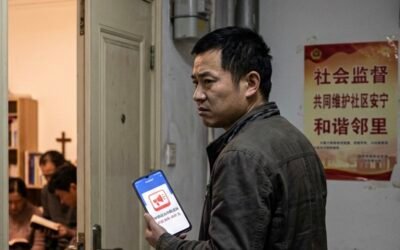
A meticulously documented account of how cultural erasure, mass internment, and long-arm transnational repression made Uyghur identity a fragile treasure.
by Ruth Ingram
When do you tell a child they will probably never visit their homeland or hug their grandparents?
When do you tell them they may never speak their mother tongue to their cousins, aunts, and uncles, and might lose it altogether?
When is the right time to tell them their culture is being slowly dismantled, their people erased, and their land bled of its natural resources and sold cheaply on the backs of Uyghur forced labor?
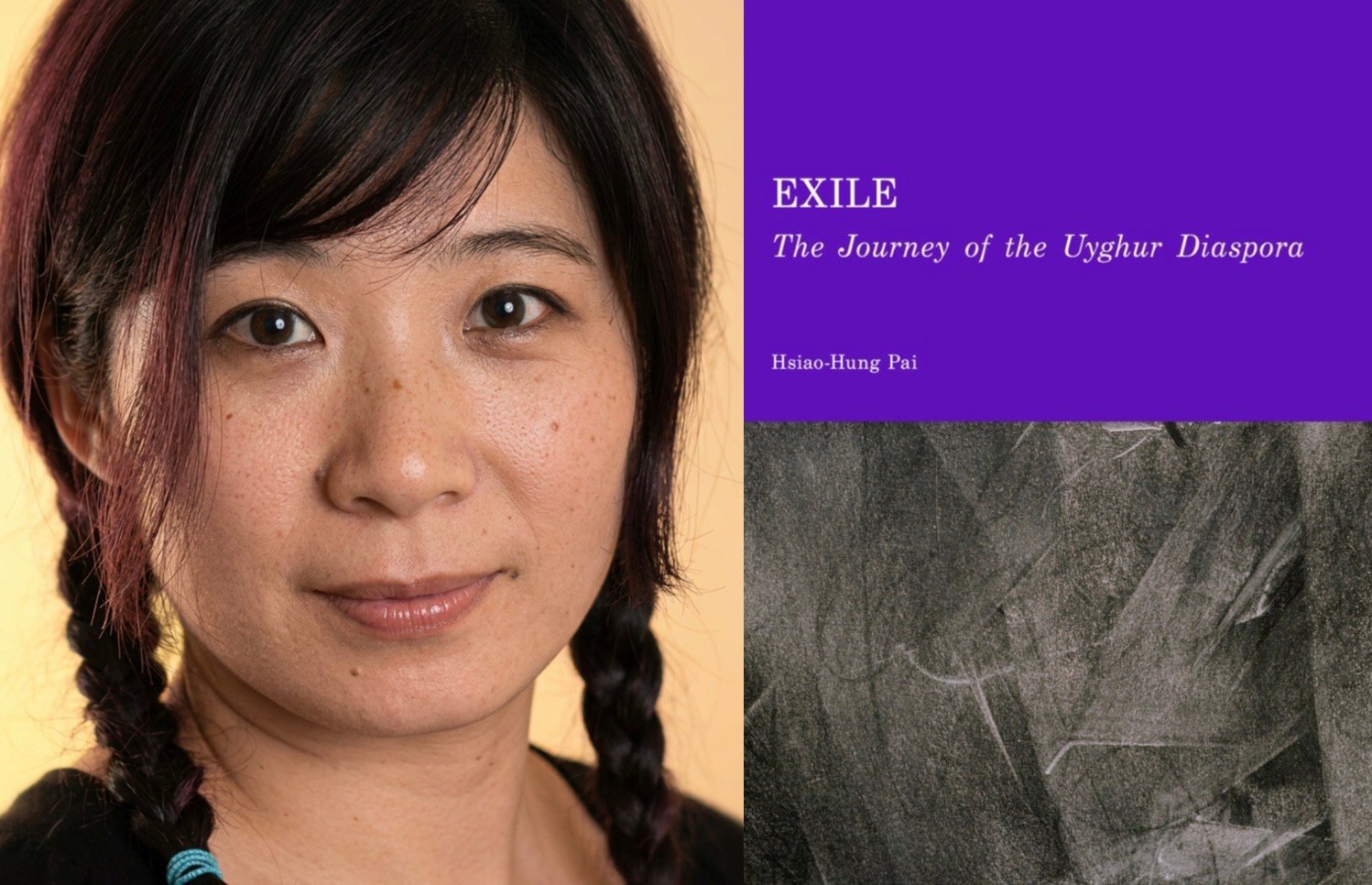
“Exile: The Journey of the Uyghur Diaspora” by Hsiao-Hung Pai (Cambridge: Ethics International Press, 2026) traces the generational trauma of Uyghurs living with the dissonance of diaspora. They make brave but often futile attempts to adapt to life in exile, haunted by an insatiable longing for home that may never cease.
Their children are caught in the middle. Some seamlessly adapt; others are torn between two worlds. Frequently, parental exile becomes an inherited condition.
Two Nazugums frame the book. The first, Nazugum of Kashgar (b.1800), is a national symbol of female courage. She joined the 1826 revolt against the Manchu Empire, was captured with her brother and driven in chains 1,200 km north to Ili, where she was forced to marry a Manchu leader. Repulsed by the idea, she killed him on their wedding night, escaped to the reed-beds of Semirechye in modern-day Kazakhstan, and was finally caught and beheaded in 1830.
The second Nazugum is 19, born in 2003 in Kazakhstan, raised in Bergen, Norway, from childhood, and in the UK from 2016. Shielded by her exiled father from a life where “walls had ears” and he was always “on the run,” she inevitably unravels the truth. In 2016, her grandmother stopped calling from Xinjiang. Her father’s family disappeared from social media. The Chinese Embassy in London, challenged to find them, denied their existence. She later discovered they had been in prison since 2014. She felt compelled to become politically active.
Despite thriving in Norway and the UK, she constantly felt like a stranger, always having to explain who she was. Unable to return to the Uyghur homeland, she rejects the adopted lands of her childhood and plans a return to her birthplace of Kazakhstan, willing to risk the long arm of China to feel at home again.
Woven through with interviews from around the world, Taiwanese-born Pai intentionally tells the story from a Uyghur perspective. Headlines are dramatic but impersonal, and little is said about life as a refugee once the story leaves the news. She takes readers on a whistle-stop tour of centuries of Uyghur history, from failed bids for an independent republic to the tightening grip of the Chinese state. Modern-day pogroms that escalated from 2016—mass roundups, re-education, forced sterilizations, torture, and forced labor—are threaded through individual lives. Cultural genocide is traced not only through the banning of Uyghur in schools, but through the disappearance of ancient village names and landmarks, erasing all trace of religious and cultural memory.
Those who escaped speak guardedly, haunted by fear that their words will put loved ones at risk. The long arm of the Chinese state is a well-documented fact of everyday life.
Linguist Abduweli Ayup spent 15 months in detention, raped and tortured, for the “crime” of opening a mother-tongue kindergarten. He left for Türkiye in 2015 and then Norway, from where he campaigns relentlessly for the preservation of his language in exile. His greatest sorrow is that he failed to save his niece, Mihray Erkin, who was recalled from Japan to Kashgar in 2019 under the pretext of caring for her parents. It was a ruse to arrest her. She died months later in Yanbulaq Camp in 2020. His wife longs to see her mother, but his advocacy makes it too dangerous. She feels “like an alien” in Europe and, angry at God for allowing this, has stopped practicing her faith. His two girls oscillate between being Uyghur and Norwegian.
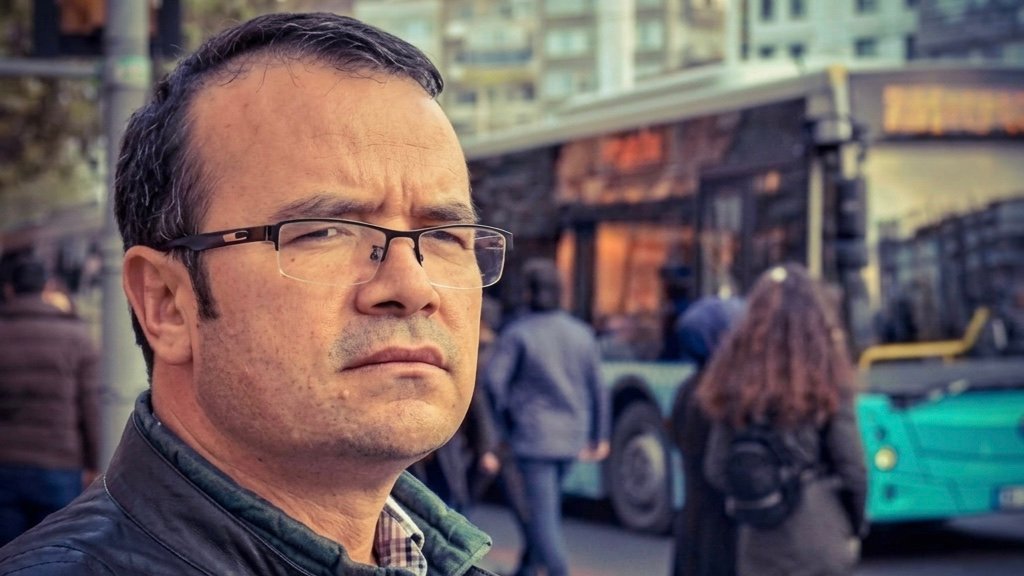
Ethnic Kazakh Yerbakyt, 49, returned to Xinjiang from Kazakhstan in May 2017 and was detained at the border for having WhatsApp. Held for 98 days, shackled, fed boiled leaves, and forced to memorize the “75 signs of extremism”, including quitting smoking or not dancing at weddings, he failed the test and was given seven years, sewing trousers in detention. Released unexpectedly in 2019 after renouncing Islam, he fled via Dubai to London and gained asylum in 2021, one of only five Kazakhs worldwide to testify openly at that time. The loneliness of being a refugee has been punishing.
Pai’s central question is what exile means when China’s global influence grows. More countries once a safe haven for Uyghurs are now heavily indebted to Beijing and bow to its demands. Türkiye, historically a refuge for its Turkic fellows, is teetering on ratifying a repatriation treaty, leaving thousands of Uyghurs without Turkish passports vulnerable.
Abduweli himself was trapped for two years in Türkiye because the Chinese embassy in Ankara refused to renew his passport, rendering him stateless.
Istanbul-based educationalist Loqman, who escaped the 2009 massacre in Urumqi, is passionate about keeping language and culture alive while ensuring exiled Uyghur youngsters in Türkiye can compete within the state system. His Hira Technology and Development Foundation was doing well until Beijing accused him of being a terrorist. The government building he had been given was “no longer available,” and school numbers collapsed.
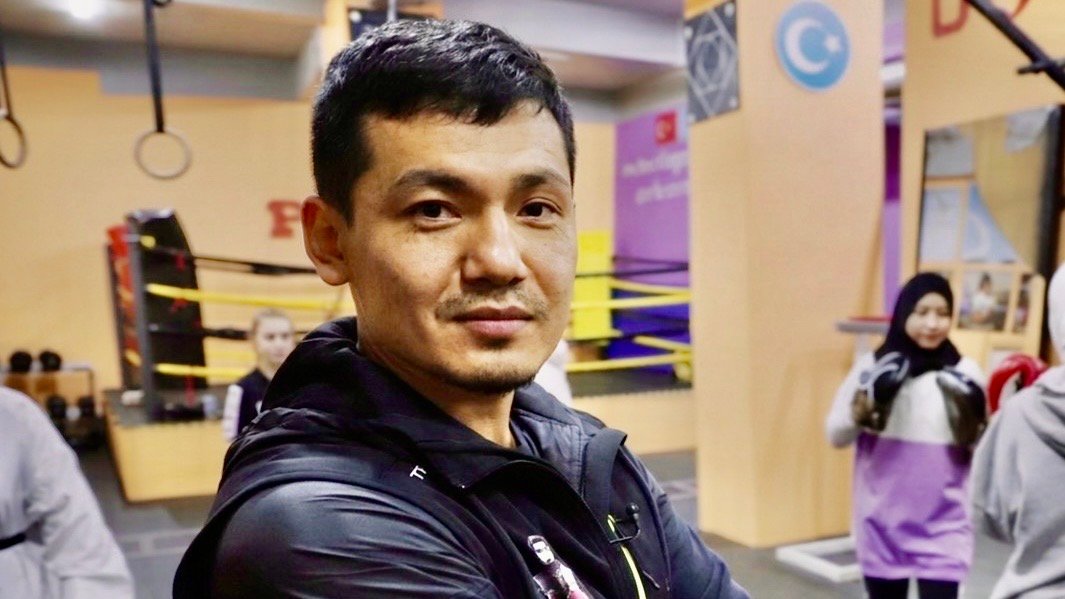
Uyghur Samarjan, who runs the Palwan Youth Center in Istanbul, came from Denmark to bridge generations. His reality: “The Chinese authorities have a very high level of surveillance; 100% of organizations are watched.” Agents reach Uyghurs via WhatsApp, WeChat and Telegram, banned in China, threatening their families. In 2022, a Chinese woman who fundraised for Uyghurs was stopped at a Chinese airport and questioned about Samarjan by name after her phone had been hacked.
Pai offers no neat conclusions. Exile itself, while often the only choice, is an imperfect solution for those fleeing persecution, and receiving nations do not always handle it well. Islamophobia often rears its ugly head, and political pressure to return asylum seekers is gaining ground.
First-generation diaspora never loses the pain of exile, and their children are torn between two worlds.
“Exile” is a devastating, meticulously documented account of how cultural erasure, mass internment, and long-arm transnational repression have made Uyghur identity itself an act of resistance, preserved however imperfectly by those determined to keep it alive.

Ruth Ingram is a researcher who has written extensively for the Central Asia-Caucasus publication, Institute of War and Peace Reporting, the Guardian Weekly newspaper, The Diplomat, and other publications.