Silence, disappearances, and the erasure of evidence followed the 2014 military assault on Uyghur civilians.
by Asiye Uyghur
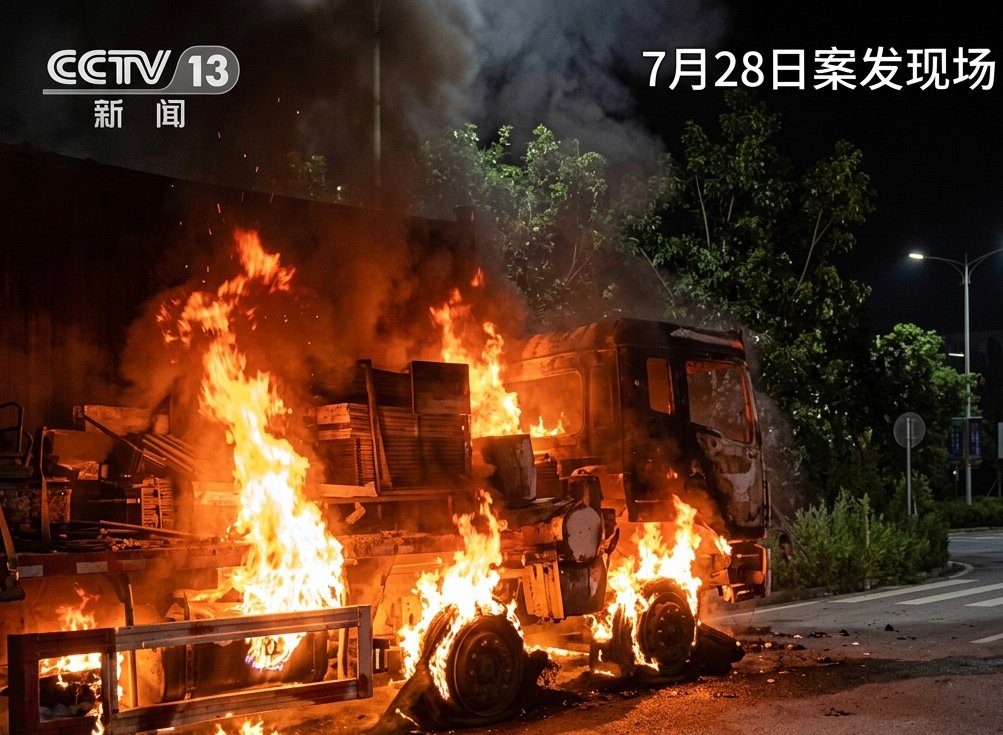
On July 28, 2014, the authorities of the People’s Republic of China carried out one of the bloodiest mass killings of Uyghurs in recent history in Yarkent (also spelled Yarkand) County, in the Uyghur region. The violence unfolded in Elishqu Township and surrounding villages, an area whose population is overwhelmingly Uyghur, estimated locally at more than 99 percent.
For the PRC, it was a “terrorist attack.” For Uyghurs, it was the Yarkent Massacre: a military assault on a largely unarmed population, followed by a communications blackout, mass arrests, disappearances, and the suppression of every attempt to learn how many people were killed and where their bodies were taken.
Twelve years later, the full truth remains hidden. This is not because there are no witnesses, survivors, or families searching for answers. It is because the authorities who carried out the crackdown also monopolized the crime scene, the records, the media, the roads, and the bodies.
Six years ago, I conducted a direct interview with a Uyghur man who was in Yarkent at the time and had close knowledge of the area. For his protection, I refer to him here as “Hajim.” His account is one of many fragments of testimony preserved by Uyghurs despite extraordinary fear and censorship. It does not replace the independent investigation that has never been allowed. It offers a crucial account of what the PRC has tried to erase.
The events took place at the end of Ramadan, when Uyghurs were already living under severe restrictions on religious life. Prayer, fasting, Quranic study, religious dress, and ordinary gatherings could be treated by the authorities as signs of “extremism.”
According to Hajim, a group of Uyghur women had gathered for prayer and recitation during the final nights of Ramadan. Their crying and prayers were heard outside. The authorities then took the women away. When their husbands and relatives went to ask where they had been taken and to demand their release, they were met with hostility.
Other contemporary Uyghur accounts described an even more horrific trigger: the killing of a Uyghur family during a police search, and the subsequent gathering of local people to protest state violence and restrictions imposed during Ramadan. The World Uyghur Congress has likewise stated that the protests followed the killing of a Uyghur family of five during a police operation.
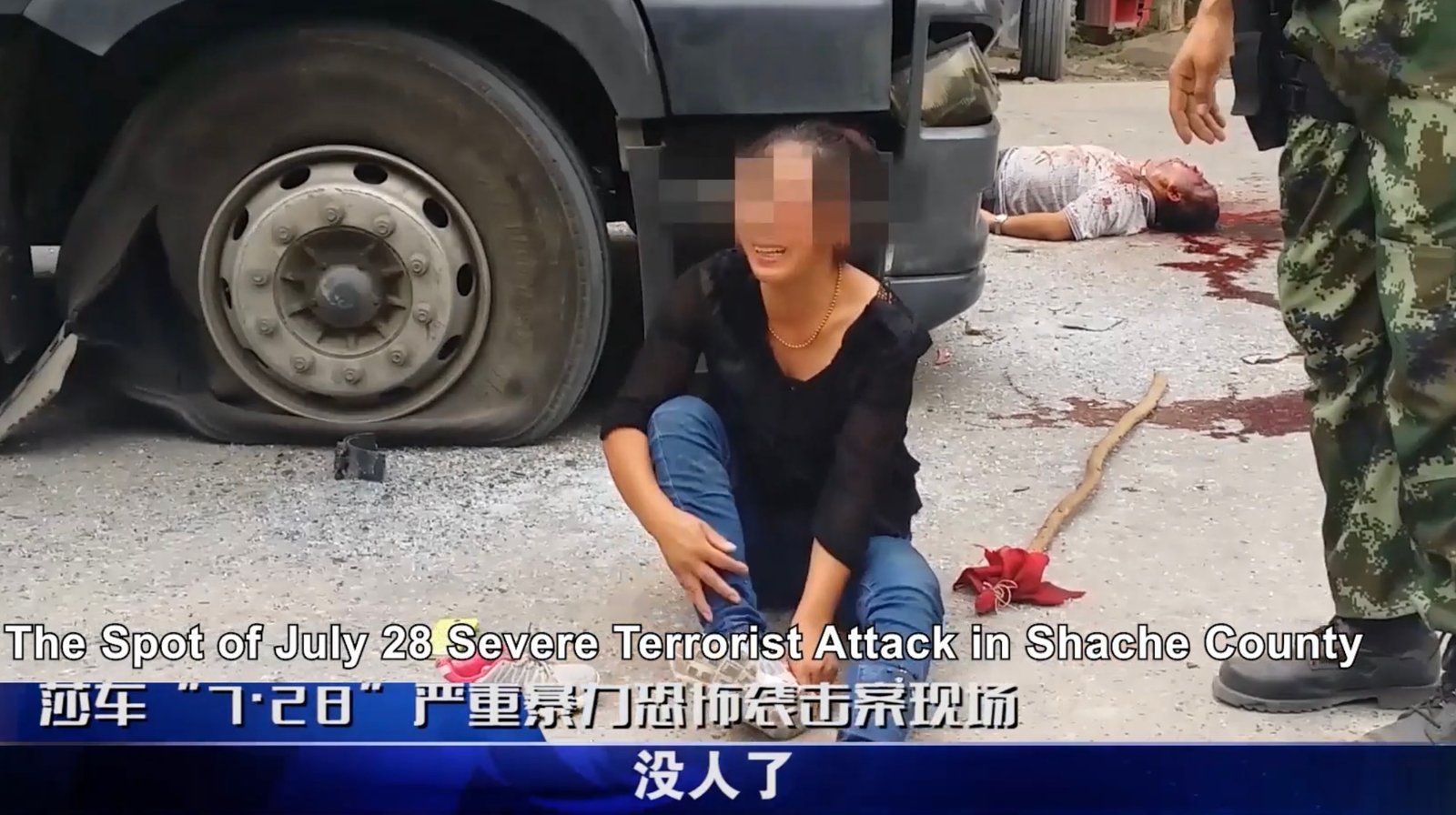
The precise sequence of every death and confrontation requires an independent investigation. The underlying cause was the accumulation of years of religious repression, arbitrary searches, humiliating policing, and the systematic denial of Uyghurs’ dignity.
When a people are treated as suspicious for praying, fasting, mourning, or asking where their wives and children have been taken, protest becomes an expression of a society pushed beyond endurance.
The PRC’s official account claimed that a “premeditated terrorist group” attacked government offices, police stations, and vehicles. It announced that 37 civilians were killed, 59 alleged attackers were shot dead, and 215 people were arrested.
Yet the authorities never made public a complete and independently verifiable list of the dead. They did not disclose where each person was killed, whether those killed by security forces had posed an imminent threat, or how many people died during the subsequent village raids and searches. They did not permit independent journalists, investigators, or international human rights monitors to examine the scene.
What is crucial is that the Uyghurs in Elishqu were confronting the armed machinery of the PRC state: police, armed police, special forces, military units, armored vehicles, and, according to local testimony, helicopters and tanks.
Uyghurs did not have an army, independent media, courts capable of protecting them, or peaceful political institutions through which to demand justice. In such conditions, their ability to express dissent was already reduced to words, prayer, refusal, protest, and physical resistance.
Across the world, people have the right to resist unlawful repression and to protest against state violence. A state cannot transform every expression of Uyghur grievance into “international terrorism” simply by invoking Islam, “separatism,” or alleged overseas connections.
While every civilian life is precious, the PRC has never provided an independently verifiable account of its alleged civilian casualties. It has used such unverified claims to obscure the central fact of Yarkent: the overwhelming force in this confrontation came from heavily armed state units deployed against local Uyghur residents.
The central question is why the PRC responded to a Uyghur population’s grievances with overwhelming military force, collective punishment, and silence.
The official death toll of 96 has never been credible to many Uyghurs from the area. Local testimony, overseas Uyghur organizations, and media reports indicated that the real number of dead may have been far higher.
Radio Free Asia reported at the time that the World Uyghur Congress had received accounts suggesting that at least 2,000 Uyghurs may have been killed. Other Uyghur sources estimated that between 3,000 and 5,000 people were killed or disappeared. Hajim estimated that around 3,000 people from several villages may have died.
These figures cannot be independently confirmed today because the PRC imposed a blackout and has never allowed an investigation. The absence of verification cannot be used to validate the official version. The authorities cut internet and mobile communications, sealed roads, deployed armed forces, and prevented outside access. They created the conditions in which the truth could not be counted.
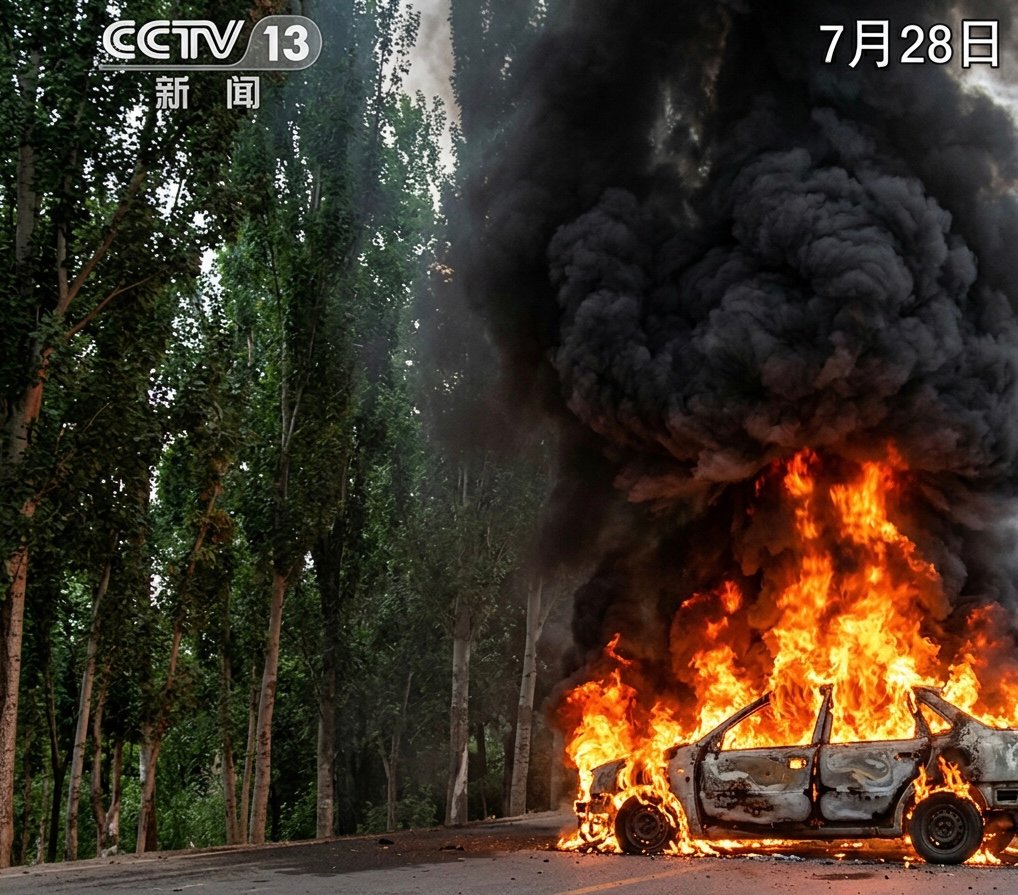
The question is therefore not only how many people died. It is why the PRC has refused, for twelve years, to disclose the names of all those killed and disappeared.
Hajim also described widespread local reports that bodies were secretly transported away after the crackdown. Some people believed that the dead were buried near old kiln sites; others believed that they were taken to the southern new urban area of Yarkent, where bodies may have been placed in farmland or construction zones and covered over.
These allegations require forensic and international investigation. Their persistence reflects a devastating reality: many families never received bodies, official notices, or graves to visit.
For Uyghurs, this is not a minor detail. Burial is an essential act of faith, dignity, and family responsibility. To deny families the right to know where their loved ones are buried extends the violence beyond death. It leaves relatives trapped between grief and uncertainty, unable to mourn, unable to seek justice, and unable even to say goodbye.
The Yarkent Massacre was not an isolated event. It was a warning of what would soon unfold across the Uyghur region.
After Yarkent, religious identity became even more dangerous. Titles such as imam, hajji, and qari, once signs of respect, became markers that could invite surveillance, detention, or imprisonment. People who had prayed, traveled abroad, held passports, studied religion, or maintained family ties outside the region increasingly became targets.
The mass internment campaign that intensified after 2017 did not emerge suddenly. Yarkent had already shown the logic of the system: first criminalize Uyghur identity and religious life; then treat dissent as extremism; then use “counterterrorism” to justify mass punishment; finally, conceal the victims.
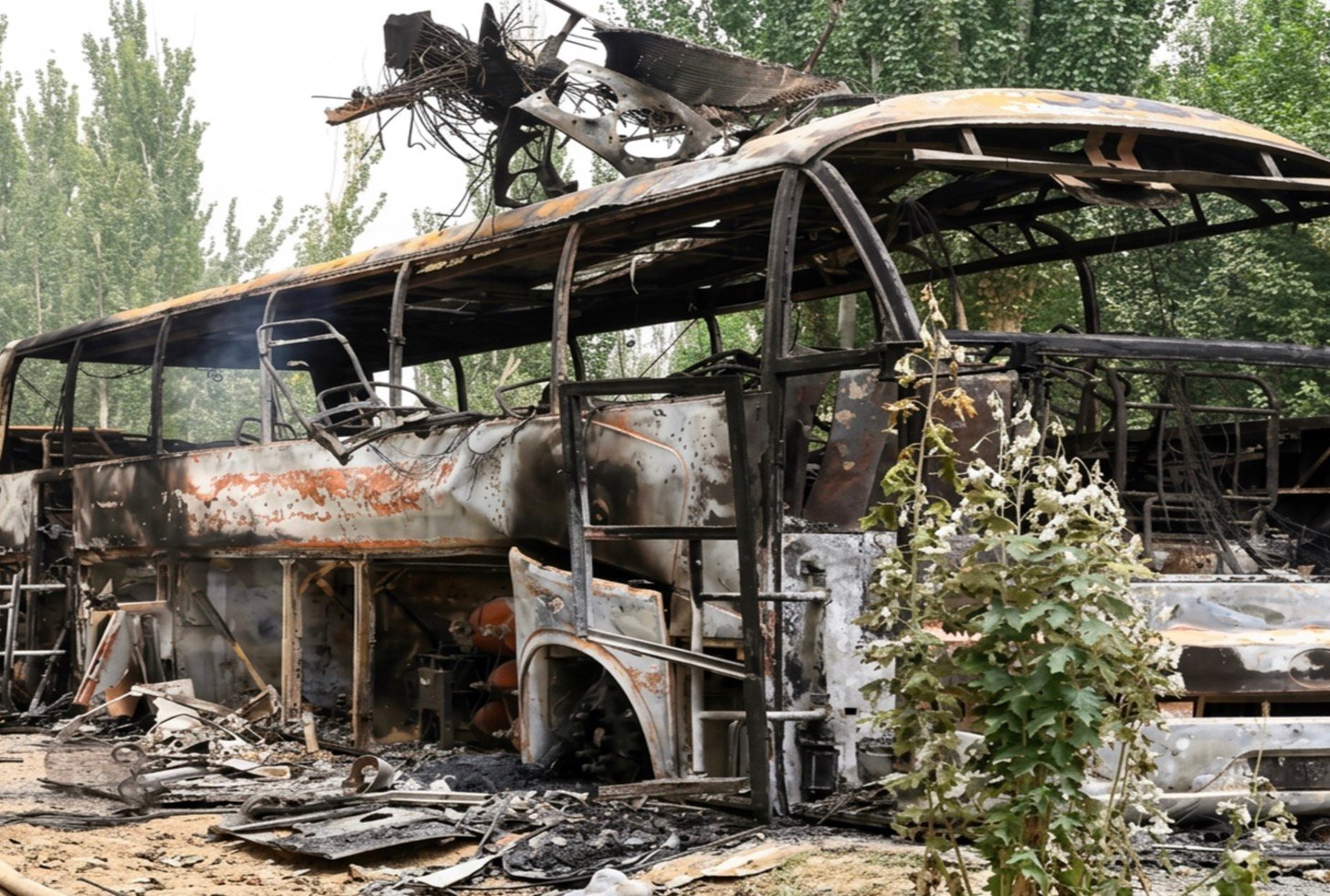
The PRC’s repression of Uyghurs is not made lawful by its vocabulary. Calling a massacre “counterterrorism” does not make it counterterrorism. Calling a community of civilians, who had no army, no military-grade weapons, no political representation, and no access to justice, “extremist” cannot erase the state violence inflicted upon it.
On each anniversary of July 28, Uyghurs remember not merely a disputed number, but people: women who were taken away, men who went to ask questions and did not return, elders who searched for grandchildren, families who were left without graves, and entire villages forced into silence.
The PRC authorities must disclose the names and fate of every person killed, disappeared, detained, or imprisoned in connection with the Yarkent Massacre. They must reveal the locations of all burial sites, release relevant records, and allow an independent international investigation.
The world should not accept the PRC’s “terrorism” label as a substitute for evidence. It should ask why the authorities sealed the area, cut communications, blocked scrutiny, and still refuse to account for the dead.
The blood of Yarkent was not erased when the roads reopened. It was only hidden.
And Uyghurs will continue to remember.
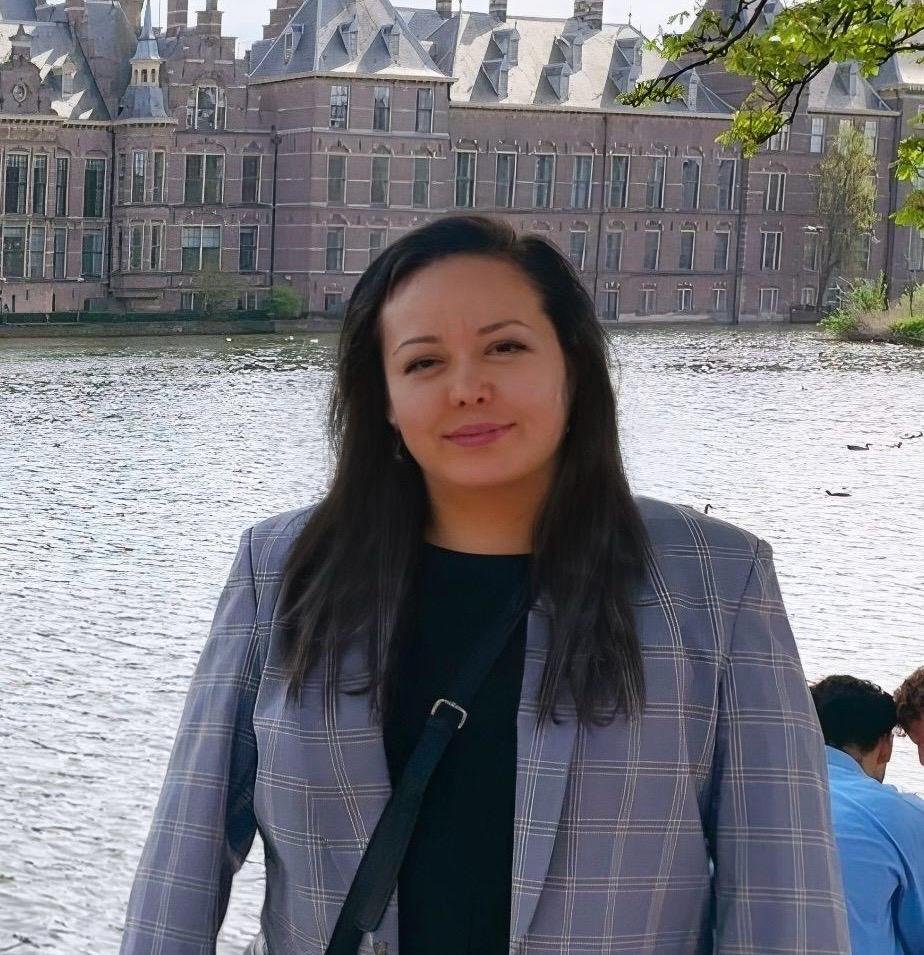
Asiye Uyghur is a Netherlands-based Uyghur writer and political commentator. Before the closure of Radio Free Asia’s Uyghur Service, she worked there as a political commentator. She currently publishes commentary and analysis in English, Dutch, and Chinese on Uyghur human rights, cultural repression, information control, and Chinese state policies related to Uyghurs through platforms including Global Voices, the Uyghur Human Rights Project (UHRP) as a guest contributor, and the Dutch publication “De Kanttekening.”