What’s in a name? What is “China” and who is “Chinese”? How the term “Chinese nation” was socially and politically constructed to promote Han imperialism.
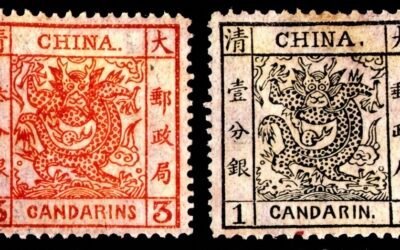

What’s in a name? What is “China” and who is “Chinese”? How the term “Chinese nation” was socially and politically constructed to promote Han imperialism.
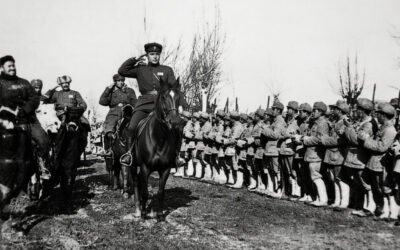
China inherited a territorial claim. It also inherited an unanswered political obligation to Uyghurs.

From WhatsApp groups and diaspora media to Türkiye and Syria, the Anthropic report reveals how technology expands Beijing’s repression.

Official documents trace a policy chain from preschool language instruction and boarding schools to mainland classes, vocational training, and labor transfer.
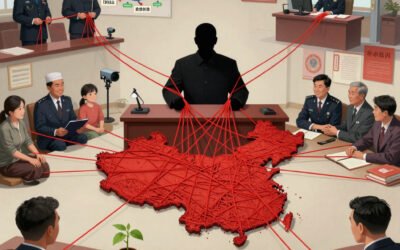
A governing model tested in Uyghur homes now shapes overseas networks, business ties, cultural outreach, and policing arrangements worldwide.
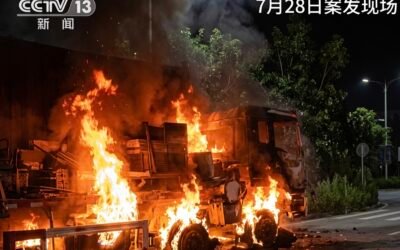
Silence, disappearances, and the erasure of evidence followed the 2014 military assault on Uyghur civilians.
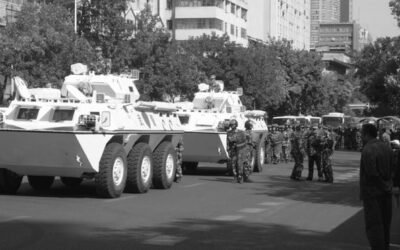
Seventeen years after the tragedy, the questions still matter. A Uyghur view. by Asiye Uyghur Chinese tanks in Urumqi, 2009. From X. Seventeen years have passed since the July 5, 2009, Urumqi massacre. Yet the questions raised on that day have never disappeared. They...
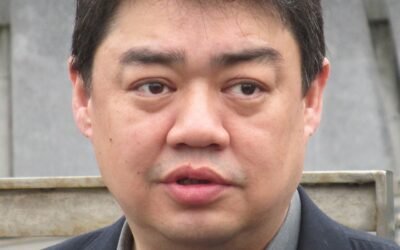
How Uyghur students helped shape China’s 1980s reform era, and a democratic awakening became recast as a security threat.
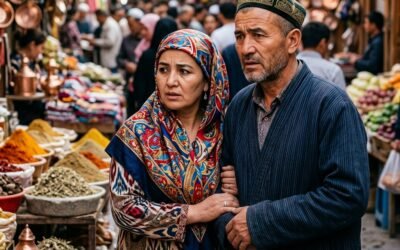
A clear trend appears in Beijing’s policies: any cultural aspect that visibly expresses Uyghur identity is gradually targeted and suppressed.