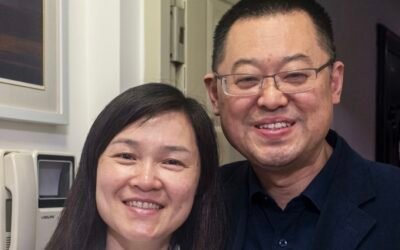
Coalition of Uyghurs, Tibetans, Mongolians, and Hongkongers urges Dutch Parliament to act against the law.
by Abdurehim Gheni Uyghur
On April 30, the European Parliament passed a resolution protesting the Law on the Promotion of Ethnic Unity and Progress, adopted by China’s National People’s Congress on March 12, 2026. The law is scheduled to take effect on July 1, 2026.
This result was largely achieved through the activism of various religious, ethnic, and political minorities, whose representatives came together to persuade European politicians that the law was intended to suppress ethnic identity and human rights. The same model of building coalitions against the law across religious and ethnic divides is now at work in the Netherlands, where a newly formed alliance has taken a significant step.
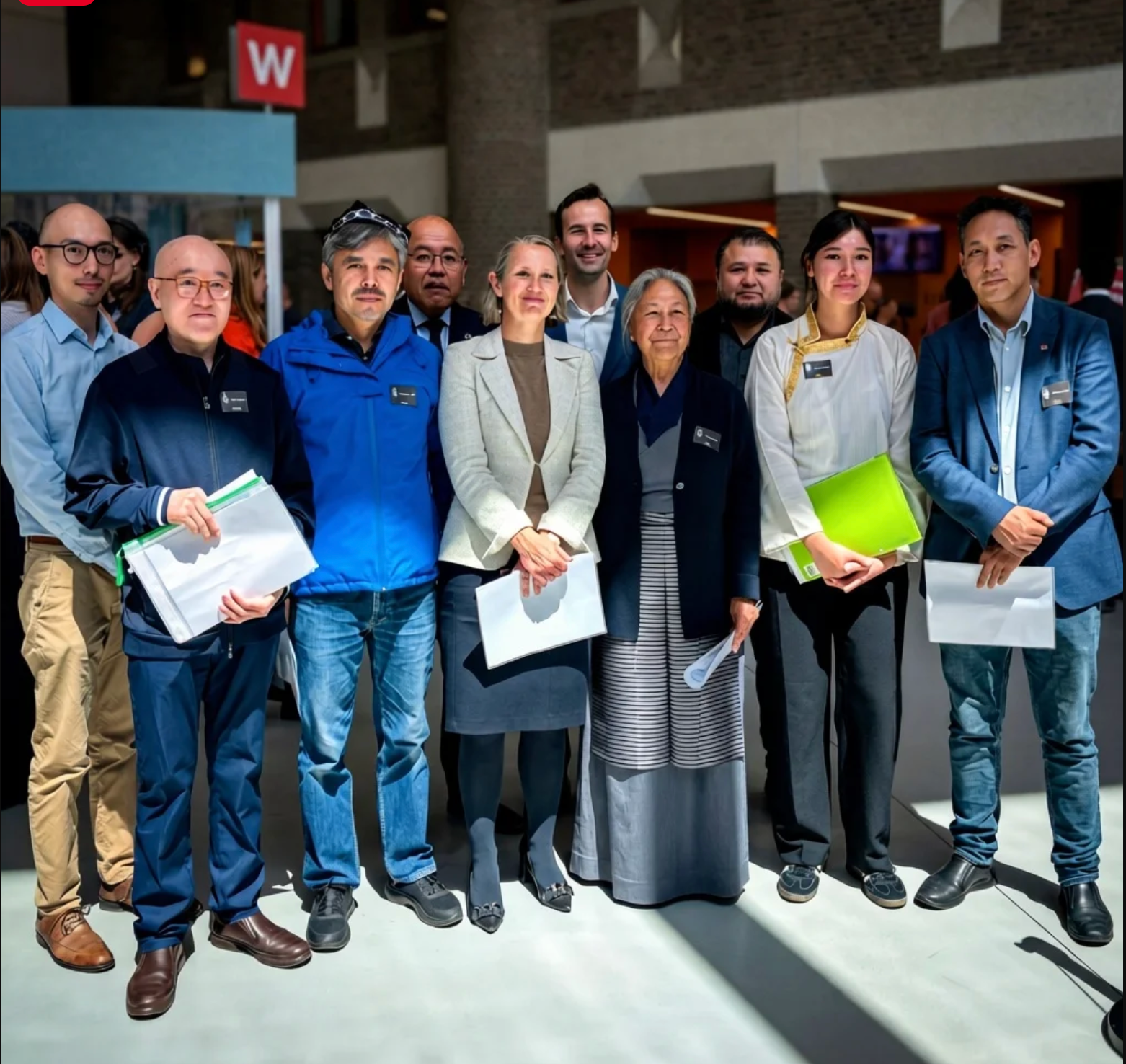
Representatives from Uyghur, Tibetan, Southern Mongolian, and Hong Kong human rights organizations have united under the “HR in China and Inner Asia Coalition.” On June 9, 2026, the coalition held a meeting with members of the Foreign Affairs Committee of the Dutch House of Representatives (Tweede Kamer).
The primary focus of this urgent briefing was the coalition’s warning that this legislation is a dangerous, institutionalized tool. It is deliberately designed to forcefully impose a single “Zhonghua (Chinese) national identity” and systematically erase the distinct languages, cultures, religious identities, and heritages of non‑Han nations—including Tibet, East Turkestan, Southern Mongolia, and Hong Kong—currently under Chinese occupation.
Due to the critical and time‑sensitive nature of the issue, parliamentary committee members allocated specific slots during the 30‑minute session for both Uyghur and Tibetan representatives to deliver direct, two‑minute testimonies.
Uyghur representatives presented stark evidence detailing how the new law codifies existing repressive practices, most notably the coercive colonial boarding school system. They emphasized that this system is designed to separate Uyghur children from their native language, culture, and religious roots, effectively creating “generations who are physically Uyghur but mentally and spiritually Sinicized.” Furthermore, they sounded the alarm on Articles 10 and 63 of the law, which extend Beijing’s reach beyond its borders. The representatives highlighted that Uyghurs living in the Netherlands are increasingly facing transnational repression and intimidation linked to Chinese authorities—a direct violation of Dutch sovereignty and democratic freedoms.
Tibetan representatives echoed these concerns, emphasizing that the law serves as a final blow aimed at completely erasing Tibetan cultural and religious identity. They urged the committee to systematically monitor the government’s compliance with parliamentary motions regarding Tibet adopted in April 2025.
During the dialogue, the coalition purged the Tweede Kamer to initiate a formal parliamentary motion (motie) against China’s “Ethnic Unity Law.”
The coalition emphasized that a strong stance and a successful motion in the Dutch Parliament would set a powerful precedent for other European nations. Such a motion could catalyze a coordinated European response, encouraging the European Parliament to push for European‑level policy actions.
The briefing was attended by prominent lawmakers, including Maas van Lanschot from the Christian Democratic Appeal (CDA) and Nicole Maes from the People’s Party for Freedom and Democracy (VVD). Acknowledging the geopolitical reality, the MPs noted China’s immense global power but expressed deep understanding of the gravity and urgency of the “Ethnic Unity Law.” “China has become very powerful, but we will do our utmost,” they assured the coalition.
At the conclusion of the meeting, the official three‑page petition, bearing the formal signatures and logos of all coalition member organizations, was officially handed over to the Members of Parliament.
This joint action marks a significant shift in the diaspora’s resistance, proving that affected communities are stronger and more effective when they speak with a single, unified voice against Beijing’s tyranny.
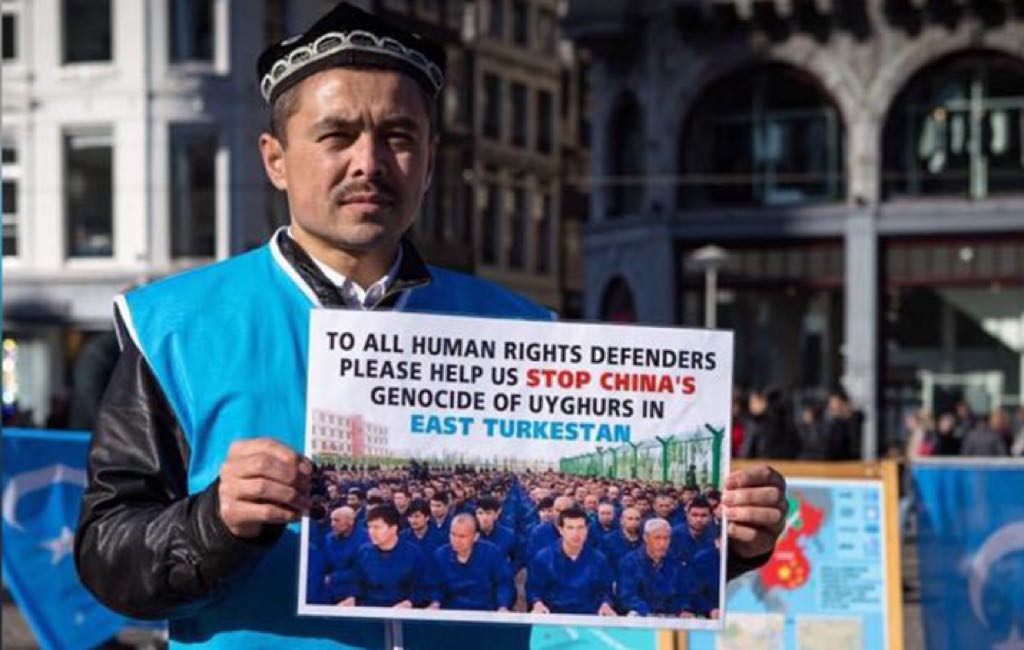
Abdurehim Gheni is a Uyghur activist living in the Netherlands who became famous for his solo protests in Dam Square in Amsterdam. He also educates tourists to the reality of the Uyghur genocide.