How Uyghur students helped shape China’s 1980s reform era, and a democratic awakening became recast as a security threat.
by Asiye Uyghur
In today’s official Chinese narrative, Uyghurs are frequently portrayed as a source of national security threats, often associated with “separatism,” “extremism,” and even “terrorism.” Yet a little‑known historical reality tells a very different story. During China’s reform era in the 1980s, Uyghur students were among the earliest groups to publicly call for democracy, freedom, equality, and political reform. This contradiction deserves closer examination.
If a people once stood at the forefront of demands for political reform, equal rights, and democratic participation, how did they later become portrayed as “enemies of the state”? Understanding this shift is essential not only for grasping the contemporary plight of the Uyghurs but also for tracing the political trajectory China followed after the 1989 Tiananmen crackdown.
For decades, both official Chinese narratives and many international discussions have tended to frame the Uyghur issue primarily as an ethnic, religious, or security problem. However, when viewed within the broader context of modern Chinese political history, another largely forgotten thread emerges: the political fate of the Uyghurs changed almost in parallel with the collapse of China’s democratic reform movement.
Many people regard the 1989 Tiananmen movement as the beginning of China’s modern democracy movement. For Uyghurs, however, the struggle for freedom, equality, and political reform began earlier. During the 1980s, Uyghur students participated in and initiated three significant political movements.
The first was the Uyghur student movement of 1985. Initially launched by students at Xinjiang University and other institutions, it quickly spread throughout Urumqi and across the Uyghur homeland. Students publicly opposed discriminatory ethnic policies, called for the genuine implementation of regional autonomy, and criticized the role of the Xinjiang Production and Construction Corps (XPCC) as well as large‑scale state‑sponsored migration policies that were transforming Uyghur society.
The second was the Uyghur student movement of 1988. Larger in scale and broader in influence, it not only focused on ethnic equality and autonomy but also openly raised demands for democracy, freedom, equality, and political reform. Many of the political slogans that later appeared during the 1989 democracy movement had already emerged among Uyghur student activists.
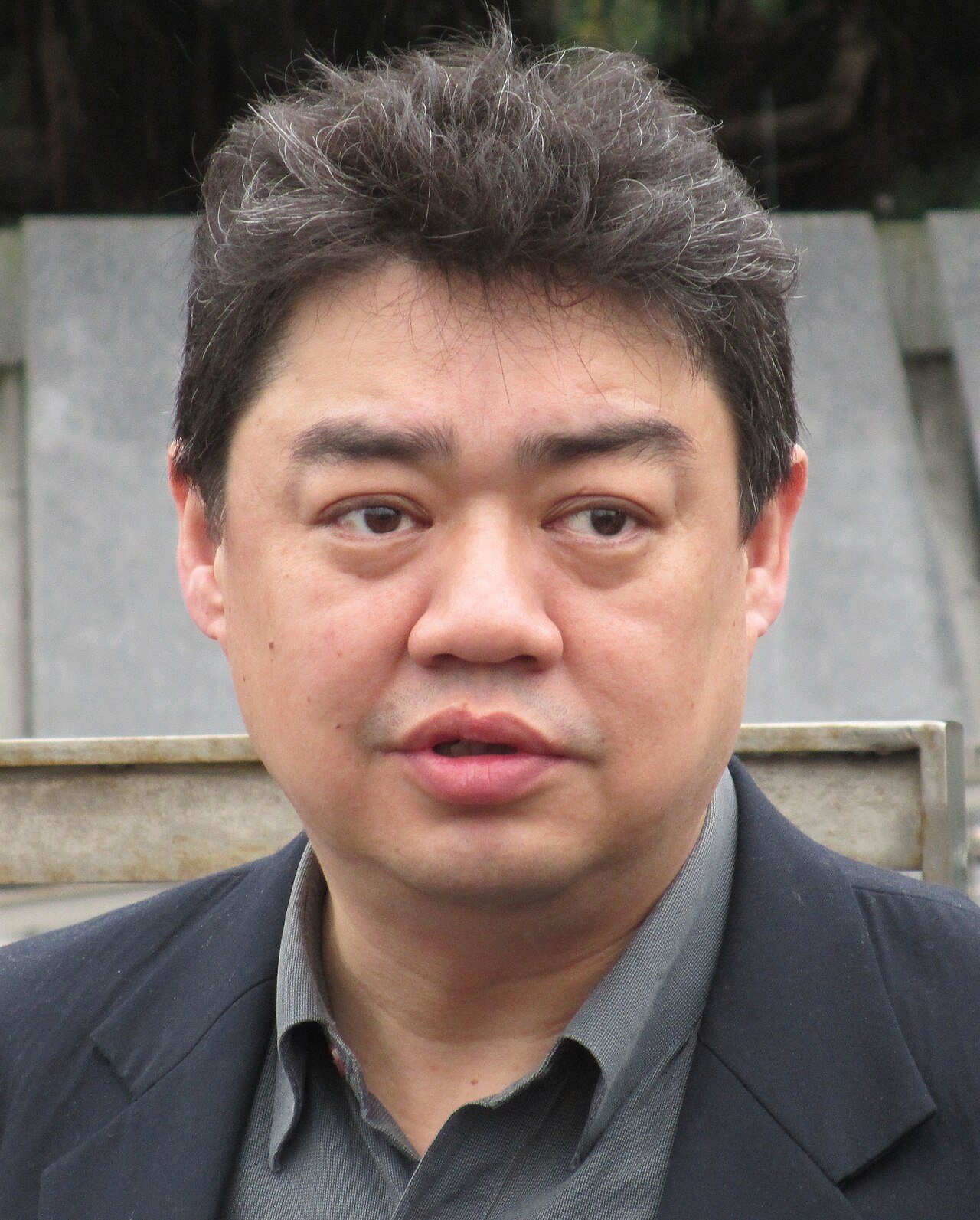
The third was the 1989 Tiananmen democracy movement itself. When student demonstrations spread across China, Uyghur students actively participated. The movement produced one of its most visible leaders, Örkesh Dölet (Wu’er Kaixi), a Uyghur student who became internationally recognized as one of the faces of Tiananmen. Uyghur students from the Central Institute for Nationalities (today’s Minzu University of China) even carried a banner in the Uyghur language reading “Qozghal!” (“Rise Up!”) in Tiananmen Square, expressing their support for the democracy movement.
From the demonstrations in Urumqi in 1985, to the political demands of 1988, to the Uyghur‑language banner raised in Tiananmen Square in 1989, Uyghur students were among the most active participants in China’s democratic awakening of the 1980s. Ironically, it was precisely this community—one that had openly demanded democracy, freedom, and equality—that would later become one of the primary targets of China’s expanding security apparatus.
Any discussion of the 1989 Tiananmen movement inevitably includes Örkesh Dölet. For many Chinese, he is remembered simply as one of the movement’s most prominent student leaders. For Uyghurs, however, he represents something more: a symbol of Uyghur participation in China’s struggle for democracy. More importantly, his emergence was not accidental. He did not appear in isolation but grew out of a broader wave of Uyghur political awakening during the 1980s. The student movements of 1985 and 1988 had already cultivated a generation of politically conscious Uyghur youth. Uyghur students in Beijing actively joined the 1989 movement, while students in the Uyghur homeland closely followed and supported the protests. Viewed from this perspective, the Uyghur student movements and the Tiananmen movement were not separate episodes but different expressions of the same broader wave of political awakening.
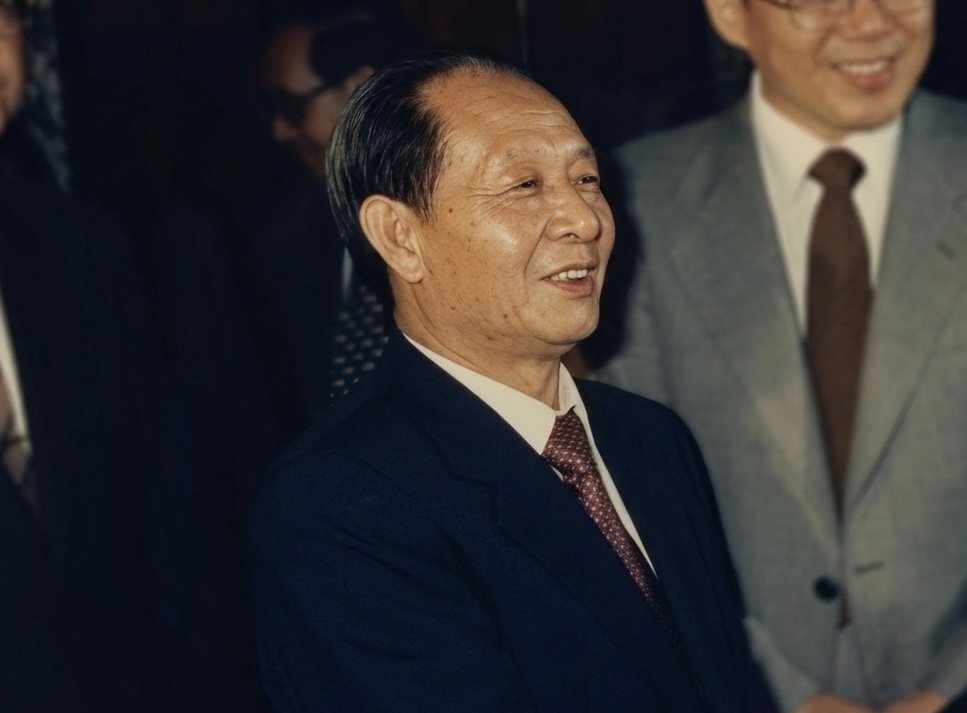
Another important figure of this period was Hu Yaobang. As one of the leading reform‑minded figures in the Chinese Communist Party during the 1980s, Hu was among the few senior leaders who seriously reflected on China’s ethnic policies and the meaning of regional autonomy. He argued that autonomy should not exist merely on paper but should provide minority peoples with meaningful self‑governance. “Autonomy and self‑management are inseparable. Without genuine autonomy, there can be no genuine unity,” he once stated. He also expressed concerns regarding the XPCC, ethnic autonomy, and population transfer policies affecting minority regions. As a result, Hu gained support not only among intellectuals and students but also among many minority communities. Many Chinese dissidents regard Hu’s death in April 1989 as the immediate catalyst for the Tiananmen movement. Yet it is equally important to recognize that the demands for freedom, autonomy, and dignity expressed by Uyghur students throughout the 1980s formed part of the broader political awakening of that era.
The crackdown of June 4, 1989 changed everything. Rather than responding to demands for political reform, the Chinese Communist Party strengthened its control through an increasingly expansive security apparatus. As discussions of political reform were suppressed, the language of national security steadily expanded. Questions once framed as issues of political rights, equality, and governance were gradually redefined as matters of state security. In this transformation, Uyghurs became one of the principal targets. Beginning in the 1990s, a people who had once advocated democracy, freedom, and equality increasingly found themselves labeled as “separatists,” “religious extremists,” and “terrorists.” The Uyghur question ceased to be treated as an issue of rights and autonomy and was instead incorporated into China’s expanding security framework.
Mao Zedong famously described “united front work,” “struggle,” and “party building” as the Communist Party’s three “magic weapons” for defeating its enemies. In practice, the post‑Tiananmen era demonstrated the Party’s continued reliance on this logic of struggle. By constructing new political enemies and redirecting public attention away from political reform, the state gradually shifted the focus of public discourse toward security concerns. Within this framework, Uyghurs increasingly became the central object of surveillance and control.
After the September 11 attacks in 2001, the Chinese government further integrated the Uyghur issue into the global discourse of counterterrorism. From “Strike Hard” campaigns to grid‑style social management, from mass surveillance to the re‑education camp system, state control over Uyghur society expanded dramatically. Numerous human rights organizations, legal scholars, and several governments have concluded that these policies may constitute crimes against humanity and genocide. Seen from a historical perspective, however, this crisis did not emerge suddenly. The Tiananmen crackdown ended the possibility of political reform. Security governance increasingly replaced political debate. The narrative of the “Three Evil Forces” gradually took shape. The counterterrorism framework expanded. And these developments ultimately contributed to the emergence of the contemporary Uyghur crisis.
The Uyghur crisis, therefore, is not simply an ethnic or religious issue. It is also a consequence of the political path China chose after 1989. Today, as people around the world commemorate the Tiananmen movement, they should not forget the place of Uyghurs within China’s history of democratic struggle. Uyghurs are not only among the victims of one of the most serious human rights crises of our time; they were also among the earliest groups in modern China to openly demand democracy, freedom, equality, and political reform.
If Chinese society wishes to fully understand its own democratic history, it must remember not only the students who gathered in Tiananmen Square but also the Uyghur students who raised the torch of freedom even earlier. Because the history of the Uyghurs reminds us that a people should not be remembered solely as victims. They should also be remembered as seekers of freedom, equality, and dignity—among the earliest torchbearers of democratic aspirations in modern China. Recovering this forgotten history is not merely about restoring the Uyghurs’ place in the past. It is also about understanding an overlooked dimension of
China’s political development and the long shadow cast by the choices made after June 4, 1989.

Asiye Uyghur is a Netherlands-based Uyghur writer and political commentator. Before the closure of Radio Free Asia’s Uyghur Service, she worked there as a political commentator. She currently publishes commentary and analysis in English, Dutch, and Chinese on Uyghur human rights, cultural repression, information control, and Chinese state policies related to Uyghurs through platforms including Global Voices, the Uyghur Human Rights Project (UHRP) as a guest contributor, and the Dutch publication “De Kanttekening.”