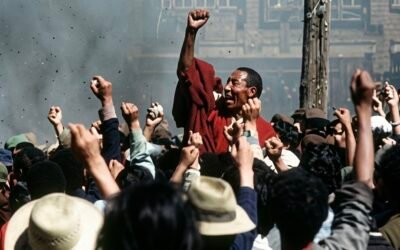
The European judges defended peaceful assembly against a censorship logic imported from China. An analysis of the June 2 decision.
by Massimo Introvigne
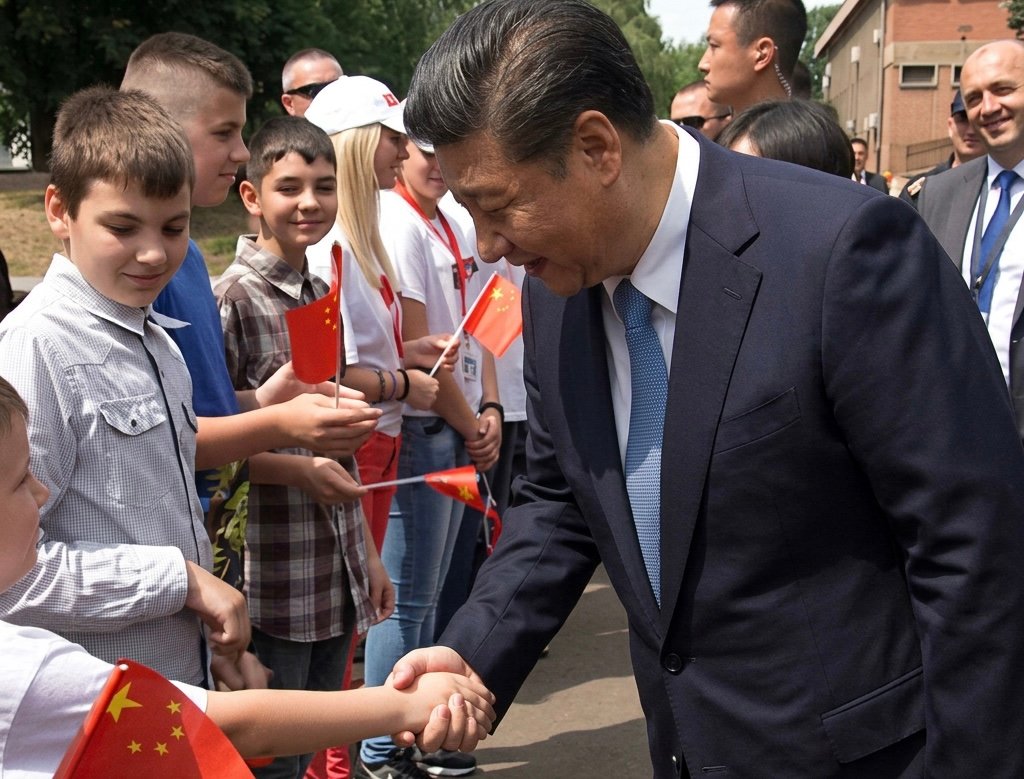
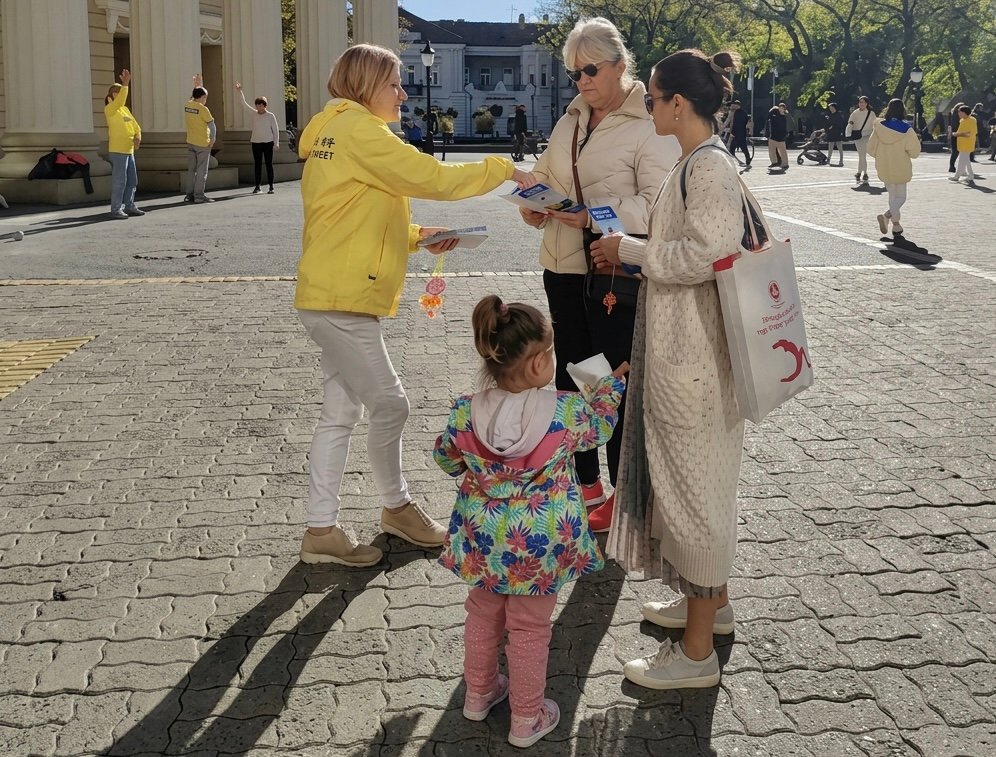
The June 2 judgment of the European Court of Human Rights in “Serbian-Chinese Friendship Society FDH v. Serbia” marks an important moment in the legal struggle over how far European states may go in adapting their public space to the sensitivities of the Chinese Communist Party. The case concerns a series of peaceful gatherings planned in Belgrade in June 2016 to denounce the persecution of Falun Gong practitioners in the People’s Republic of China. The Serbian authorities prohibited all three protests, citing public safety and the risk of confrontation with groups of Chinese nationals expected to demonstrate in support of the visiting Chinese President Xi Jinping.
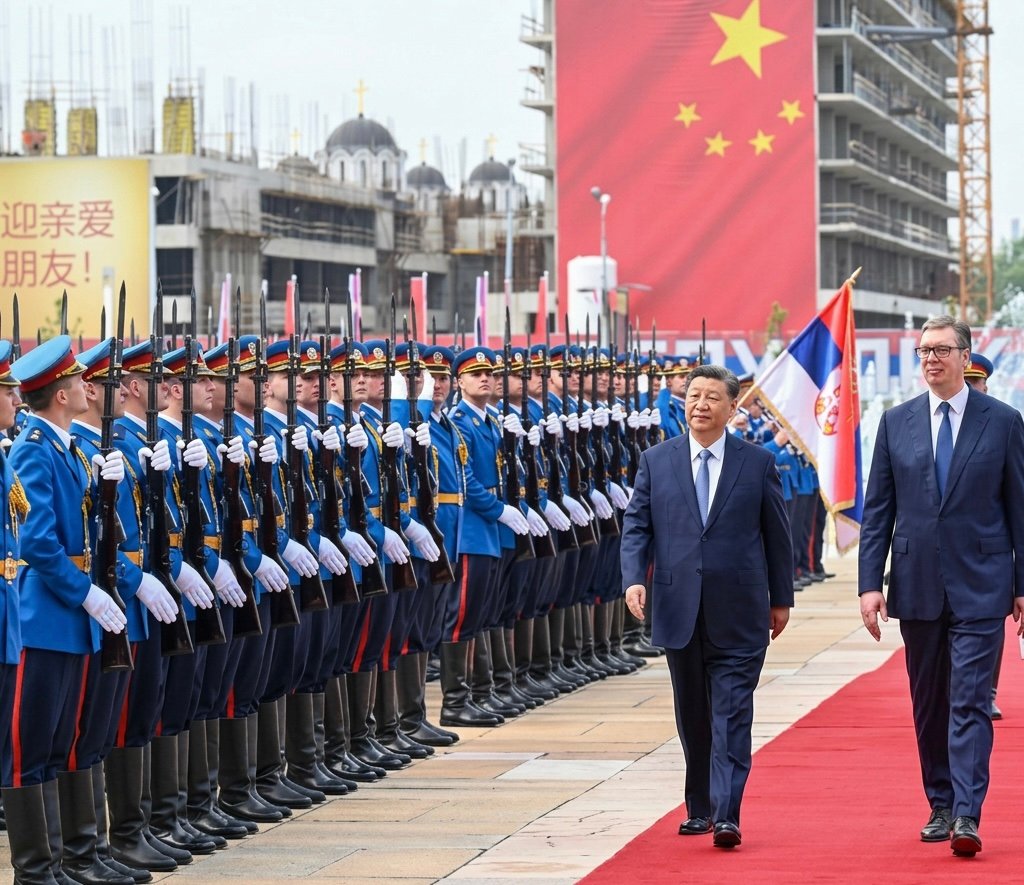
The case decided by the Strasbourg court dates back to 2016, but Serbia has maintained its stance. During Xi Jinping’s 2024 visit to Serbia, local authorities detained seven Falun Gong practitioners and one family member who doesn’t practice Falun Gong for over 24 hours, only to release them after Xi left the country.
In the case decided on June 2, the applicant, a Serbian association promoting friendship with the Chinese people and sympathetic to Falun Gong, had duly notified the police of three assemblies: one on Mihailo Pupin Boulevard on 17 June 2016, and two on 18 June 2016, one near the Chinese embassy in Užička Street and one in Republic Square. The timing coincided with the official visit of the Chinese head of state. The police stations responsible for the three locations reacted with remarkable speed. On the same days the notifications were filed, they issued prohibition orders, relying on the Public Assembly Act and its clause on threats to public safety, public health, morals, the rights of others, or national security.
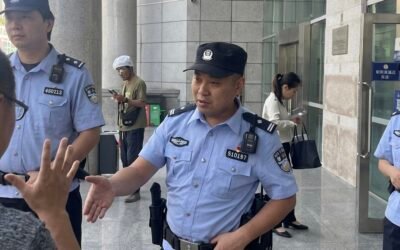
The reasoning was almost identical in each decision. The authorities anticipated the presence of a large number of Chinese nationals in the vicinity of the planned protests, gathered to express support for their President. They concluded that this configuration posed a risk of clashes and property damage. The Ministry of Internal Affairs, acting as the second-instance authority, endorsed this approach in full. It added an element that reveals the political context: Falun Gong was described as an organization banned in China, with tens of millions of followers worldwide, and the Ministry claimed that the number of potential participants in the Belgrade protest could not be predicted. This alleged uncertainty was then used to justify the prohibition.
The Ministry went even further in its submissions before the Administrative Court. It explained that the expectation of a spontaneous gathering of Serbian and Chinese nationals in support of the visiting President was based on media reports and on what it called facts of common knowledge. It invoked a provision of the General Administrative Proceedings Act that allows authorities to dispense with proof of facts that are generally known. In other words, the risk assessment was built on assumptions, press coverage, and a broad appeal to common knowledge, rather than on concrete intelligence or specific security evaluations.
The Administrative Court, seized by the applicant association through three separate claims, accepted this narrative. It held that the authorities had properly assessed the existence of a threat to public safety, order, and property. The court emphasized that the protests were scheduled during an official visit by the Chinese President and that the presence of Chinese nationals supporting their government’s policies had been anticipated. It considered that banners and public statements by Falun Gong supporters could reasonably be expected to provoke conflict between opposing groups. The court also reproached the organizers for allegedly failing to provide sufficient assurances under the Public Assembly Act regarding the peaceful conduct of the events.
The Constitutional Court was given an opportunity to address the substance of the case. The applicant lodged a constitutional appeal, alleging a violation of the right to peaceful assembly and the right to an effective remedy. However, in 2024, the Constitutional Court dismissed the appeal on grounds of non-exhaustion of domestic remedies under Article 23 of the Administrative Disputes Act. It held that the association had not requested a postponement of the enforcement of the first-instance prohibition decision and that, when the constitutional appeal was lodged, the Administrative Court had not yet ruled on the merits of the administrative dispute.
This procedural approach contrasts with other decisions of the same Constitutional Court involving the same association and similar bans on public gatherings. In earlier cases, the court examined the substance of the restrictions and found violations of freedom of assembly, without treating the absence of a request for postponement as an obstacle. In one of those cases, it criticized the authorities for relying on outdated information and assertions presented as common knowledge rather than conducting a genuine security assessment. It also stressed that the planned protest had been peaceful and that the organizers had notified the authorities in good time.
The Strasbourg Court places this Serbian practice within a broader framework of international standards. The judgment recalls the Guidelines on Freedom of Peaceful Assembly adopted by the Venice Commission and the OSCE/ODIHR, which insist on the need for prompt and effective remedies against disproportionate restrictions on assemblies. These guidelines underline that courts should be able to decide before the planned event and that heavy caseloads cannot justify delays. The Court also cites General Comment No. 37 of the UN Human Rights Committee on the right to peaceful assembly. That document states that a hostile reaction from members of the public does not, in general, justify restrictions on an assembly. The state must protect participants, and restrictions may be imposed only in exceptional situations where there is a severe threat to safety that cannot be contained even with significant law-enforcement resources. Even then, less intrusive measures such as relocation or postponement should be considered before prohibition.
Against this background, the Serbian case takes on a distinct profile. The authorities prohibited peaceful protests about human rights violations in China because they anticipated the presence of groups supporting the Chinese government and feared possible confrontations. They relied on general assumptions and media reports, treated the ban of Falun Gong in China as a relevant factor, and used the concept of common knowledge to avoid a detailed evidentiary basis. The domestic courts accepted this logic, and the Constitutional Court declined to engage with the substance, citing a procedural step the applicant had not taken.
The European Court of Human Rights addresses the matter under Article 11 of the Convention, which protects the right to peaceful assembly. The applicant association argued that there had been no real threat to public safety and that the authorities had failed to properly examine the facts. It also stressed a fundamental point: even if a real threat from counter-demonstrators existed, this should not automatically lead to the prohibition of a peaceful protest, otherwise violent groups would always be able to silence others. This argument resonates with the Court’s established case-law, which places the burden on states to protect assemblies against hostile audiences rather than to suppress the assemblies themselves.
The Government, for its part, raised an objection of non-exhaustion similar to that upheld by the Constitutional Court. They argued that the applicant should have requested a suspension of the prohibition decisions. In their view, this remedy was effective and could have allowed the protests to go ahead lawfully if the Administrative Court had granted the request in time. They emphasized that such requests are treated with particular urgency.
The Court’s analysis of this objection has important implications. It must assess whether the postponement mechanism was a remedy that the applicant was required to use and whether it offered realistic prospects of preventing the violation. The domestic legal materials show that requests to postpone enforcement are indeed classified as matters of particular urgency and that the Administrative Court must decide within five days. However, there is no equivalent guarantee of urgency for the underlying administrative disputes on the merits, including those concerning bans on public gatherings. Moreover, the Constitutional Court itself, in earlier cases involving the same association, did not treat the absence of such a request as an obstacle to examining the substance of the complaint.
By engaging with these elements, the Strasbourg Court sends a message that goes beyond the Serbian context. States cannot rely on procedural technicalities to shield from international scrutiny decisions that suppress peaceful assemblies on sensitive political topics. Remedies must be practical and effective, especially when the right at stake is time-sensitive. A protest scheduled for a specific date loses its meaning if judicial protection arrives years later.
The case also illustrates how the language of public safety can be used to import the censorship logic of authoritarian regimes into Europe. The reference to Falun Gong as a banned organization in China, the emphasis on the unpredictability of the number of participants, and the fear of confrontation with pro-government groups mirror narratives often used by Chinese authorities themselves. When a European state adopts such reasoning, it allows foreign political pressure to shape the exercise of fundamental rights on its territory.
From a freedom-of-expression perspective, the judgment reinforces a core principle: public space in Europe must remain open to criticism of foreign governments, including those that exert significant economic and political influence. Peaceful protests denouncing persecution in China fall squarely within the protection of the Convention. The presence of supporters of the targeted government, even in large numbers, does not justify suppressing that criticism. The role of the authorities is to manage the situation, protect all participants, and, where necessary, adjust time, place, or manner, while preserving the essence of the right to assemble within sight and sound of the intended audience.
For communities such as Falun Gong practitioners and for organizations that seek to expose human rights violations in China, this judgment represents a significant affirmation. It signals that European human-rights law does not accept the export of bans and stigmas imposed by Beijing. It also reminds domestic courts that they must scrutinize security justifications with care, especially when they rely on vague references to common knowledge and on the presumed reactions of foreign nationals.
In the end, the Serbian-Chinese Friendship Society FDH case is more than a local dispute over three canceled protests in Belgrade. It is a test of whether European legal systems will allow their streets and squares to become extensions of foreign censorship. The European Court of Human Rights has chosen to reaffirm that freedom of peaceful assembly, including for those who speak about Falun Gong and the persecution in China, remains a cornerstone of democratic life in Europe.

Massimo Introvigne (born June 14, 1955 in Rome) is an Italian sociologist of religions. He is the founder and managing director of the Center for Studies on New Religions (CESNUR), an international network of scholars who study new religious movements. Introvigne is the author of some 70 books and more than 100 articles in the field of sociology of religion. He was the main author of the Enciclopedia delle religioni in Italia (Encyclopedia of Religions in Italy). He is a member of the editorial board for the Interdisciplinary Journal of Research on Religion and of the executive board of University of Pennsylvania Press’ Nova Religio. From January 5 to December 31, 2011, he has served as the “Representative on combating racism, xenophobia and discrimination, with a special focus on discrimination against Christians and members of other religions” of the Organization for Security and Co-operation in Europe (OSCE). From 2012 to 2015 he served as chairperson of the Observatory of Religious Liberty, instituted by the Italian Ministry of Foreign Affairs in order to monitor problems of religious liberty on a worldwide scale.