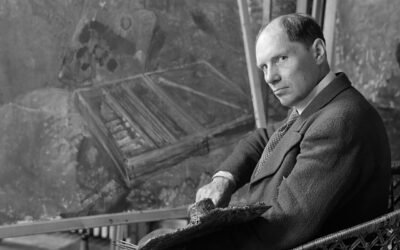
Hassan’s “authority” does not come from academia but from his past as a “cult” member and a deprogrammer.
by Massimo Introvigne
Article 3 of 4. Read article 1 and article 2.
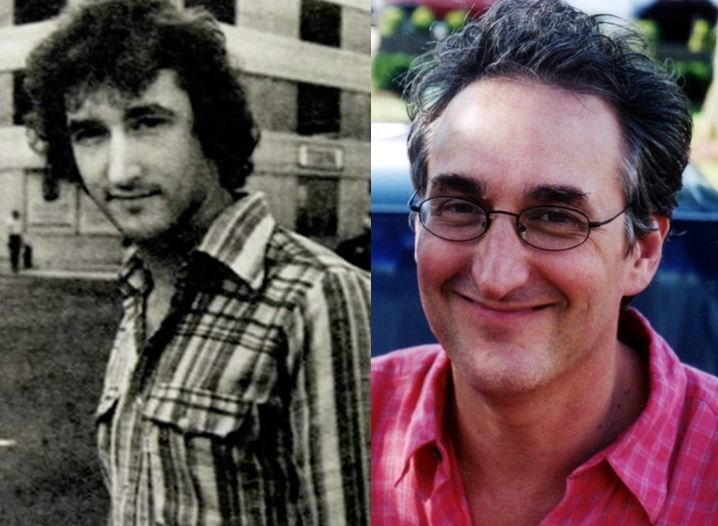
When journalists introduce Steven Hassan as one of America’s leading “cult experts,” they rarely mention the origins of his career. His website, books, and media appearances emphasize his academic credentials: a master’s degree in counseling psychology, a license as a mental health counselor in Massachusetts, and a PhD from Fielding Graduate University. What is less often noted is that these degrees were obtained later in life from accredited institutions focused on adult education and online learning, and that his doctoral dissertation was completed while he was simultaneously writing “The Cult of Trump.” His academic training did not precede his career as a “cult expert”; it followed it.
Hassan’s “authority” does not come from long academic training or from decades of scholarly research. It comes from something far more controversial: his past as a deprogrammer, a practice that courts in the United States and Europe eventually declared illegal. Before he obtained degrees, Hassan’s claim to expertise rested on his having once been a member of the Unification Church and having been forcibly removed from it by deprogrammers hired by his family. He then entered the same line of work. Ironically, Hassan built a career condemning “cults” for allegedly using coercive psychological techniques, while his own early professional life consisted of coercing adults to abandon their chosen faiths.
Hassan sometimes exaggerates his role in the Unification Church to boost his credentials as an expert. He has even claimed he was a “cult leader” himself. Unification Church records show that he was a member for approximately 2 years, from 1974 to 1976. His most exalted position was as the 21-year-old leader of a seven-member juvenile fundraising team.
Deprogramming, as documented by sociologist Anson D. Shupe and his collaborators, was not a benign form of counseling. It involved kidnapping adult members of new religious movements, usually at the request of their parents, and confining them in locked facilities where they were bombarded with hostile information about their religion until they surrendered. Shupe’s detailed studies demonstrated that deprogrammers physically and in some cases sexually abused their victims. Hassan himself was never accused of sexual abuse. Still, he was part of the obscure world of deprogramming and defended the practice.
The collapse of deprogramming as a business came in 1998 with the “Jason Scott v. Rick Ross et al.” decision. The Cult Awareness Network (CAN), then the largest anti-cult organization in the United States, was caught referring parents to deprogrammers and receiving a percentage of their fees. The court found not only deprogrammer Rick Ross but also CAN liable for damages so substantial that the organization went bankrupt. Hassan was not part of the Scott case but was one of the deprogrammers involved in the CAN referral system, as documented by Shupe and his team. The “Scott” decision marked the end of deprogramming as a legally tolerated activity in the United States.
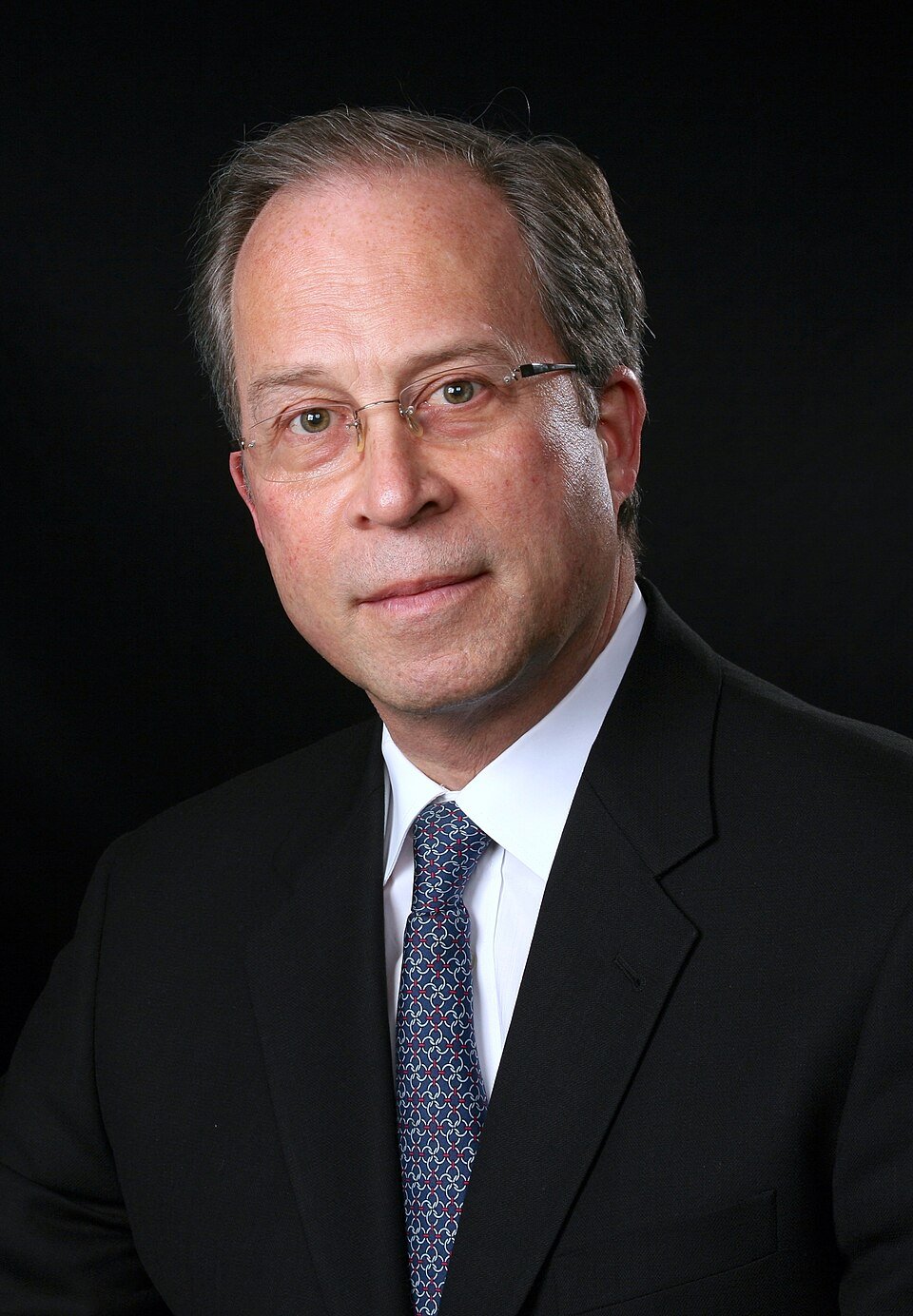
Shupe’s research included affidavits from victims of deprogramming in which Hassan played a central role. These documents, which have never been shown to be inauthentic, offer a disturbing picture of what deprogramming actually entailed. One of the most detailed accounts came from Arthur Roselle. He reported that when he first tried to escape—he succeeded in a second attempt—members of the deprogramming team “threw me down to the floor. This caused me to hit the tile floor with my chin and cheek. As a result, I received a cut on the inside of my lower lip and bruises on my chin and right cheekbone. My hands and feet were then tied, and I was carried into a small room and placed on a cot. Professional deprogrammers Steven Hassan and Ellen Lloyd then began working in shifts to forcibly deprogram me away from my chosen religious beliefs. During the entire first three days of my kidnapping and false imprisonment, I was tied up. Steven Hassan and Ellen Lloyd took shifts deprogramming me so that I was not allowed to sleep. When the deprogramming started, I decided not to speak or eat. After two days of not speaking or eating, Steven Hassan threatened to subject me to a series of shots. During the first three days of my kidnapping and false imprisonment, Steven Hassan insulted me and humiliated me as a person. I felt like a captured animal in a zoo. After the first three days of my kidnapping and false imprisonment, the circulation in my hands was cut off because the hands had been tightly tied behind my back for the entire time. Both of my hands were badly swollen and were the color of a bruise. During the first three days, I was always escorted to the bathroom while my hands were still bound and tied; I was not washed or shaved. With help, I was able to urinate into a pot. Due to the embarrassment of being watched at all times, I did not allow myself to defecate.”
Roselle also stated that Hassan tried to compel him to sign a false affidavit denying he had been mistreated.
Another victim, Claire Kelley, testified that she was “confined in a room for three days with the knobs taken off the windows and a man seated outside the room for security against any escape attempts.” She added that “during the deprogramming, there was at least one other person present in the room at all times, and that I was always escorted to the bathroom by someone… to the best of my knowledge, the deprogramming was all done under the direction of Steve [sic] Hassan, the chief deprogrammer, who was present at most times during the deprogramming.”
Hassan has responded to these documents by claiming that they were obtained by Kendrick Moxon, a Scientologist and attorney for the Church of Scientology. But this objection misses the point. Shupe openly acknowledged Moxon’s assistance, and no one has ever shown that the affidavits were fabricated or altered. The authenticity of the documents, not the identity of the lawyer who helped collect them, is what matters.

The Roselle story also appeared in the 1996 Kendall case in Massachusetts, where Hassan testified as an expert on “cults,” “brainwashing,” and the Boston Church of Christ. A motion was filed to disqualify him. The court’s ruling was devastating for Hassan. Referring to the “Fishman” precedent, discussed early in this series, Justice Christina Harms wrote that “The Court found in that case that the theories regarding brain washing [sic], if you will, or mind control or cults that the experts wanted to testify to, were not generally accepted within the scientific community. And those experts, and in particular the expert, Doctor Singer, in the Fishman case, that expert had a Ph.D. in Psychology, something more than Mr. Hassan has. He has a Master’s Degree. I am persuaded by the findings and the reasoning in Fishman that, similarly, Mr. Hassan’s views or theories, published or as explained from the stand on what is a cult and what is not a cult, and how mind control or thought control or brain washing or the like fit into that, are not sufficiently accepted within the applicable ruling… I vacate my qualification of him as an expert in cult and mind control.”
Justice Harms allowed Hassan to testify only about the Boston Church of Christ. Still, even then, she added a remarkable caveat: “simply because I admit his testimony does not address the issue of the weight I accord his testimony… Now, again, Ι say that admission of testimony does not mean testimony will be given any weight, nor does it say how much weight… As to each and every inconsistent point, Ι will accord greater weight, far greater weight to the testimony of the [Boston Church of Christ] members. And Ι intend to place little or no weight on Mr. Hassan’s testimony.”
This judicial assessment is rarely mentioned when Hassan is introduced as an expert on television. Yet it is central to understanding his career. His authority does not rest on scholarly achievement or on recognition by the courts. It rests on a past in deprogramming—a practice now widely recognized as abusive—and on a theory of “cultic brainwashing” that courts have rejected as unscientific. Hassan’s reinvention as a “cult expert” cannot erase the origins of his career, nor the testimonies of those who experienced his methods firsthand.

Massimo Introvigne (born June 14, 1955 in Rome) is an Italian sociologist of religions. He is the founder and managing director of the Center for Studies on New Religions (CESNUR), an international network of scholars who study new religious movements. Introvigne is the author of some 70 books and more than 100 articles in the field of sociology of religion. He was the main author of the Enciclopedia delle religioni in Italia (Encyclopedia of Religions in Italy). He is a member of the editorial board for the Interdisciplinary Journal of Research on Religion and of the executive board of University of Pennsylvania Press’ Nova Religio. From January 5 to December 31, 2011, he has served as the “Representative on combating racism, xenophobia and discrimination, with a special focus on discrimination against Christians and members of other religions” of the Organization for Security and Co-operation in Europe (OSCE). From 2012 to 2015 he served as chairperson of the Observatory of Religious Liberty, instituted by the Italian Ministry of Foreign Affairs in order to monitor problems of religious liberty on a worldwide scale.