Not even one of the women “liberated” by the French police in 2023 admitted she was a “victim.” The Apple TV series ignored them.
by Massimo Introvigne and Rosita Šorytė
Article 4 of 4. Read article 1, article 2, and article 3.
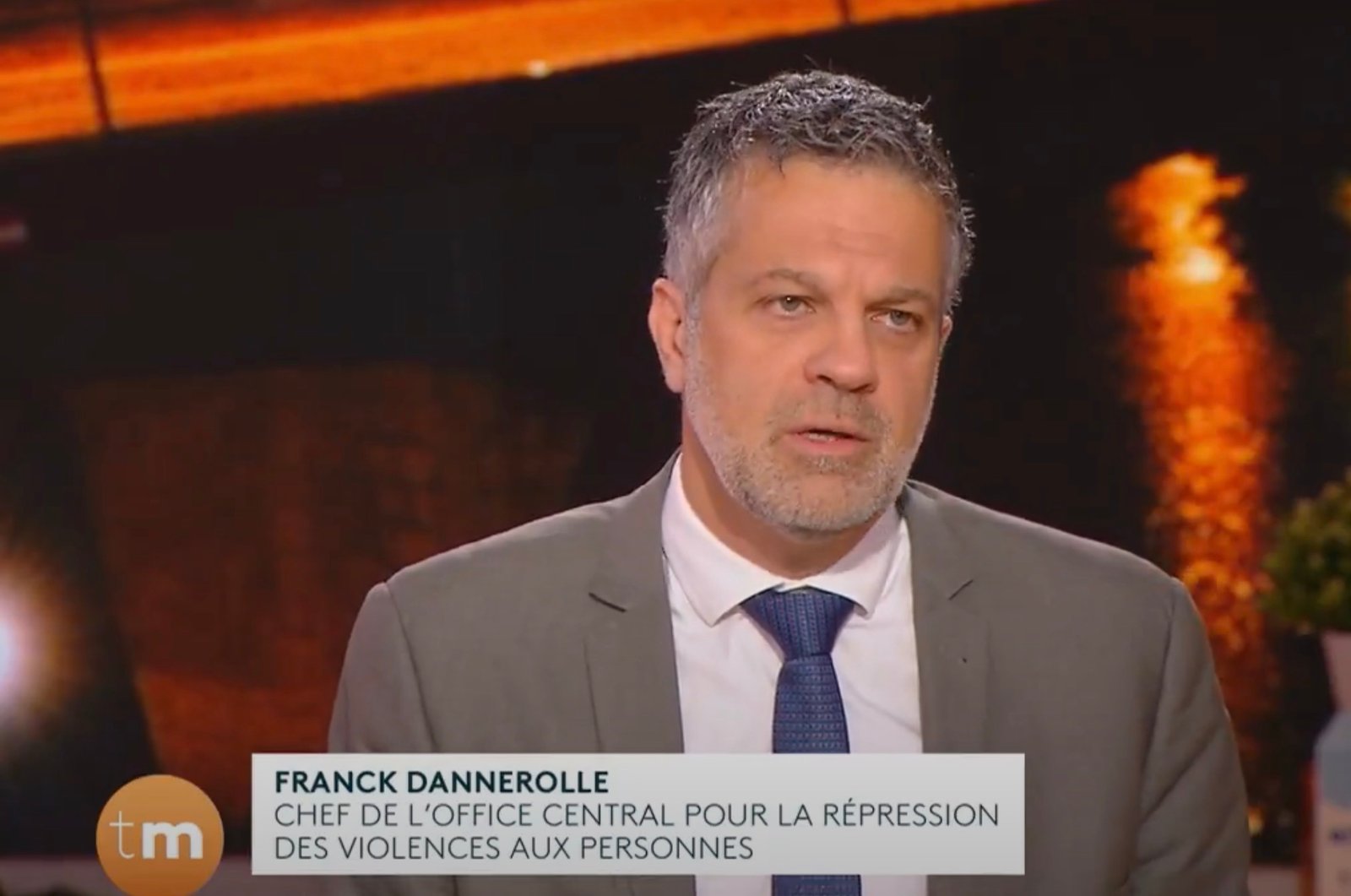
Franck Dannerolle is a French police official who serves as the head of the OCRVP (Office central pour la répression des violences aux personnes—Central Office for the Suppression of Violence against Persons). He is often praised for his good work against the sexual exploitation of children, certainly a commendable activity.
In “Twisted Toga,” however, he emerges as a true believer in the discredited, pseudo-scientific theory of brainwashing allegedly practiced by “cults” and “gurus.” That a high-ranking police officer shares gross anti-cult prejudices is cause for concern.
Paradoxically, he offers in the documentary one of the best representations of the brainwashing stereotype. “All the gurus tell you this, that the followers are free. They have no chains on their feet, they have no chains on their hands… This lack of freedom is because there are bars in the brain. Bars that the guru has put in their heads.” “In France,” he adds, “we have a specialized device to fight against the offenses that are committed in the cultic milieus. And in fact, this notion of mental imprisonment that we have developed in the context of cultic deviances, I know that this device is very particular in France… It’s not a person who has a weakness because she is old or sick, but because she has been placed in a state of psychological suggestion. Gradually, through techniques, mental imprisonment will be implemented and will enable the victim’s free will to be annihilated. A person loses her free will and accepts suffering things that she would never have accepted otherwise.”
This is a standard description of the myth of “brainwashing,” which has entered French law under names such as “abuse of weakness” and “psychological subjection.”
For centuries, critics of unpopular or unfamiliar religious doctrines or practices have claimed that their followers must have been stripped of free will through some mysterious external force. Roman writers accused early Christians of sorcery; Chinese imperial officials said the same of unauthorized sects; medieval polemicists recycled the charge against groups they branded heretical; and nineteenth-century detractors of the Latter-day Saints insisted that no rational person could embrace Mormonism without falling under “mesmeric” influence. Modern anti-cult ideology replaced the vocabulary of magic with the vocabulary of psychology.
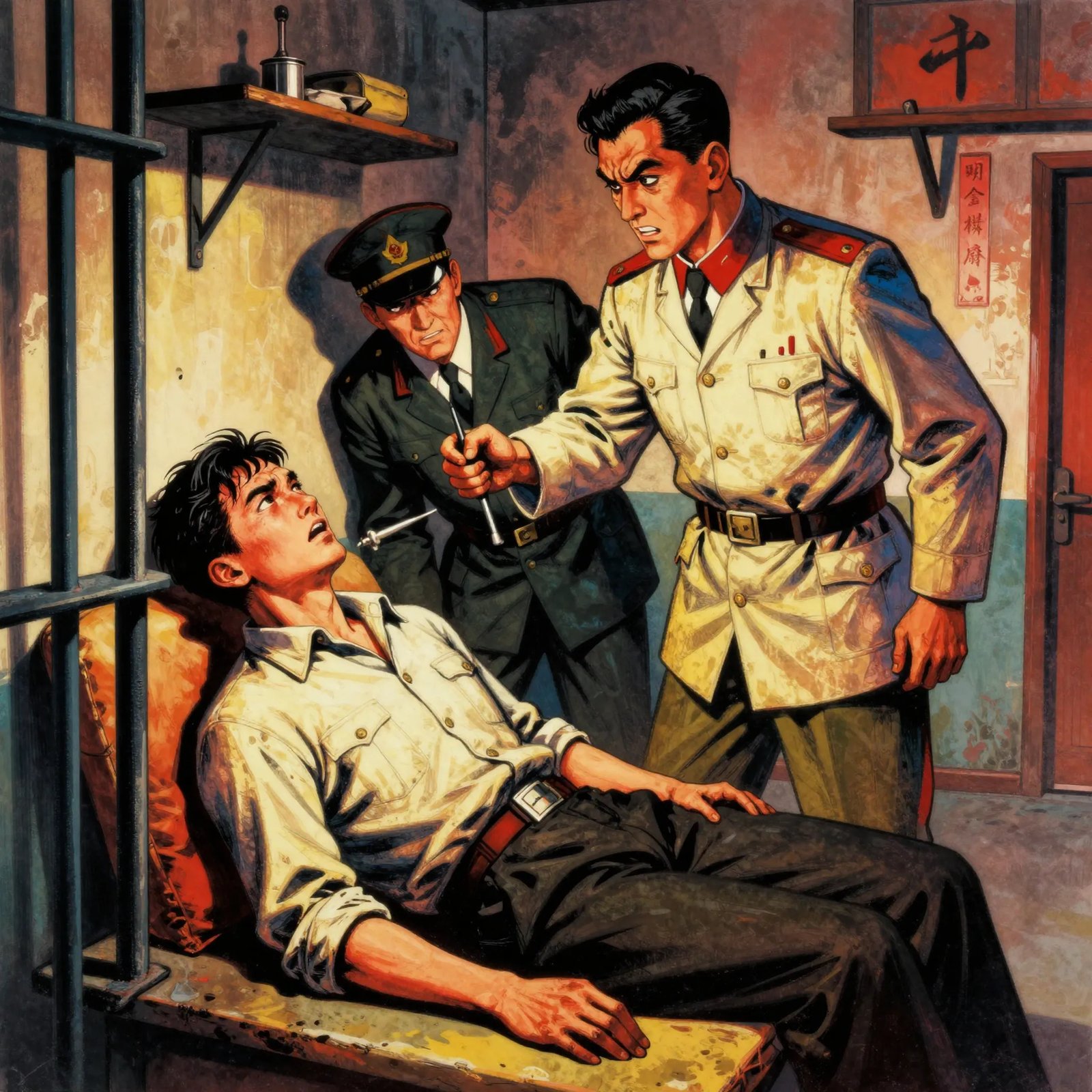
After Mao’s victory in China and the Korean War, Western intelligence agencies speculated—without scientific basis—that Communist regimes had perfected methods of coercive “conversion,” and the term “brainwashing” was coined not by researchers but by a journalist with intelligence ties. These theories entered public discourse through sensationalist accounts rather than empirical evidence, and the U.S. government later acknowledged their speculative and political nature. Yet they became the template for later claims that new religious movements use similar techniques, even though courts and scholars repeatedly rejected them.
In 1990, a U.S. federal court in the “Fishman” case concluded that “Theories regarding the coercive persuasion practiced by religious cults are not sufficiently established to be admitted as evidence in federal courts of law,” excluding expert testimony based on such models. European jurisprudence followed the same trajectory. The European Court of Human Rights stated in 2010 that “there is no generally accepted and scientific definition of what constitutes ‘mind control.’” It noted that behaviors often cited as evidence of coercion—intense commitment, deference to leaders, communal living, enthusiastic proselytism—are common across many religious traditions. The Italian Constitutional Court had already abolished the Fascist-era crime of “plagio” (similar to “brainwashing”) in 1981 because it lacked scientific validity and violated religious liberty.
These precedents reflect a broad international consensus: allegations of “psychological subjection” in religious contexts are too vague, too ideologically charged, and too easily weaponized to justify state intervention. They allow authorities to substitute their own value judgments for the lived experiences of believers, creating a double standard in which mainstream religions are assumed to persuade legitimately. In contrast, minority religions are presumed guilty unless proven otherwise.
“Twisted Yoga” leans heavily on the idea of “brainwashing,” and so does the otherwise competent Officer Dannerolle, because without it, their entire narrative collapses. The first difficulty they face is that none of the women presented as “victims” in the documentary regarded themselves as such at the time of the events they describe. Their sense of having been harmed emerged only later, after exposure to anti-cult counseling and literature.
Supporters of the prosecution will undoubtedly argue that this is common in rape cases, where survivors may need years before they can articulate what happened. That is true, but it is also true that rape victims do not typically experience the assault as a profound spiritual encounter, nor do they voluntarily travel to meet the alleged perpetrator after being told in advance that the meeting will involve an erotic ritual. The initiations described by former MISA members took place within a framework of sacred eroticism, which requires a different interpretive lens. “Brainwashing” provides a convenient—if inaccurate—explanation: the women “thought” they were consenting or even joyful because their agency had supposedly been overridden. Only later, once they were told they had been manipulated, did they reinterpret their experiences as abuse.
The second reason the documentary and the French authorities rely so heavily on “brainwashing” is even more revealing, and it concerns what “Twisted Yoga” conspicuously avoids mentioning. Viewers are repeatedly told that on November 28, 2023, French police “rescued” dozens of women allegedly held captive by Bivolaru and MISA and on the verge of being raped. Yet none of these women appears in the documentary. Instead, the program features only apostate witnesses who left the movement years earlier. The women supposedly “liberated” in 2023 were not silent or inaccessible. Fourteen of them were interviewed in 2024 by Canadian scholar Susan Palmer. They all gave the same account: they had not been victims, had not been held against their will, had traveled to France freely, and had been mistreated not by MISA but by the police and prosecutors, who pressured them intensely to declare themselves abused. Not a single one said she had been in danger, assaulted, or raped. More than twenty later filed complaints alleging abuse—by the French police, not by Bivolaru.

This placed the authorities, the documentary’s producers, and their preferred witnesses in an awkward position. The BBC’s “The Bad Guru,” biased though it was, at least acknowledged that none of the women “rescued” in 2023 identified as victims. “Twisted Yoga” omits this entirely, but leaves a ready-made justification between the lines: if the women deny being victims, it must be because they are “brainwashed.”
As Argentinian scholar María Vardé has shown in her analysis of similar cases in Argentina, this logic grants extraordinary power to prosecutors influenced by anti-cult ideology. It deprives defendants of any meaningful defense and places members of minority religious movements in an impossible position. If they say they are victims, the prosecution wins. If they deny it, their testimony is dismissed as the product of “brainwashing,” and the prosecution still wins.
In a documentary like “Twisted Yoga,” where anti-cult journalists and apostate ex-members effectively serve as judge, jury, and executioner, the outcome is predetermined long before the credits roll.
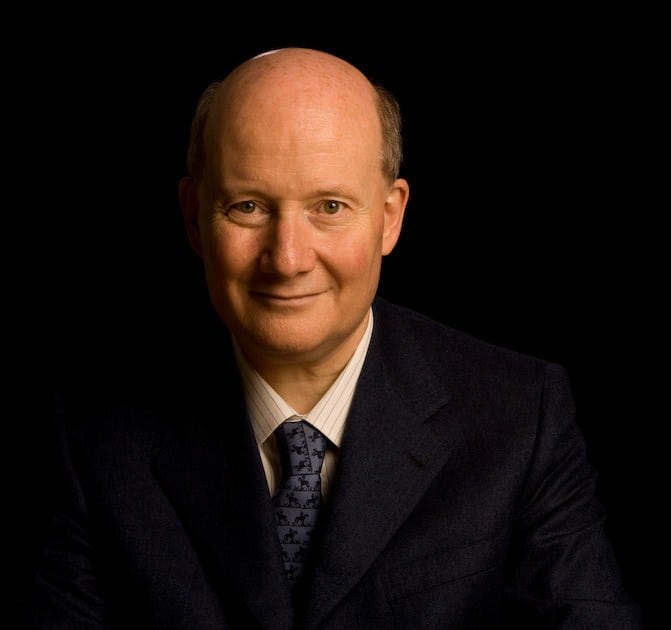
Massimo Introvigne (born June 14, 1955 in Rome) is an Italian sociologist of religions. He is the founder and managing director of the Center for Studies on New Religions (CESNUR), an international network of scholars who study new religious movements. Introvigne is the author of some 70 books and more than 100 articles in the field of sociology of religion. He was the main author of the Enciclopedia delle religioni in Italia (Encyclopedia of Religions in Italy). He is a member of the editorial board for the Interdisciplinary Journal of Research on Religion and of the executive board of University of California Press’ Nova Religio. From January 5 to December 31, 2011, he has served as the “Representative on combating racism, xenophobia and discrimination, with a special focus on discrimination against Christians and members of other religions” of the Organization for Security and Co-operation in Europe (OSCE). From 2012 to 2015 he served as chairperson of the Observatory of Religious Liberty, instituted by the Italian Ministry of Foreign Affairs in order to monitor problems of religious liberty on a worldwide scale.