As the 62nd session opens in Geneva, a new statement warns that expanding the trafficking law to include psychological influence threatens freedom of belief.
by Alessandro Amicarelli
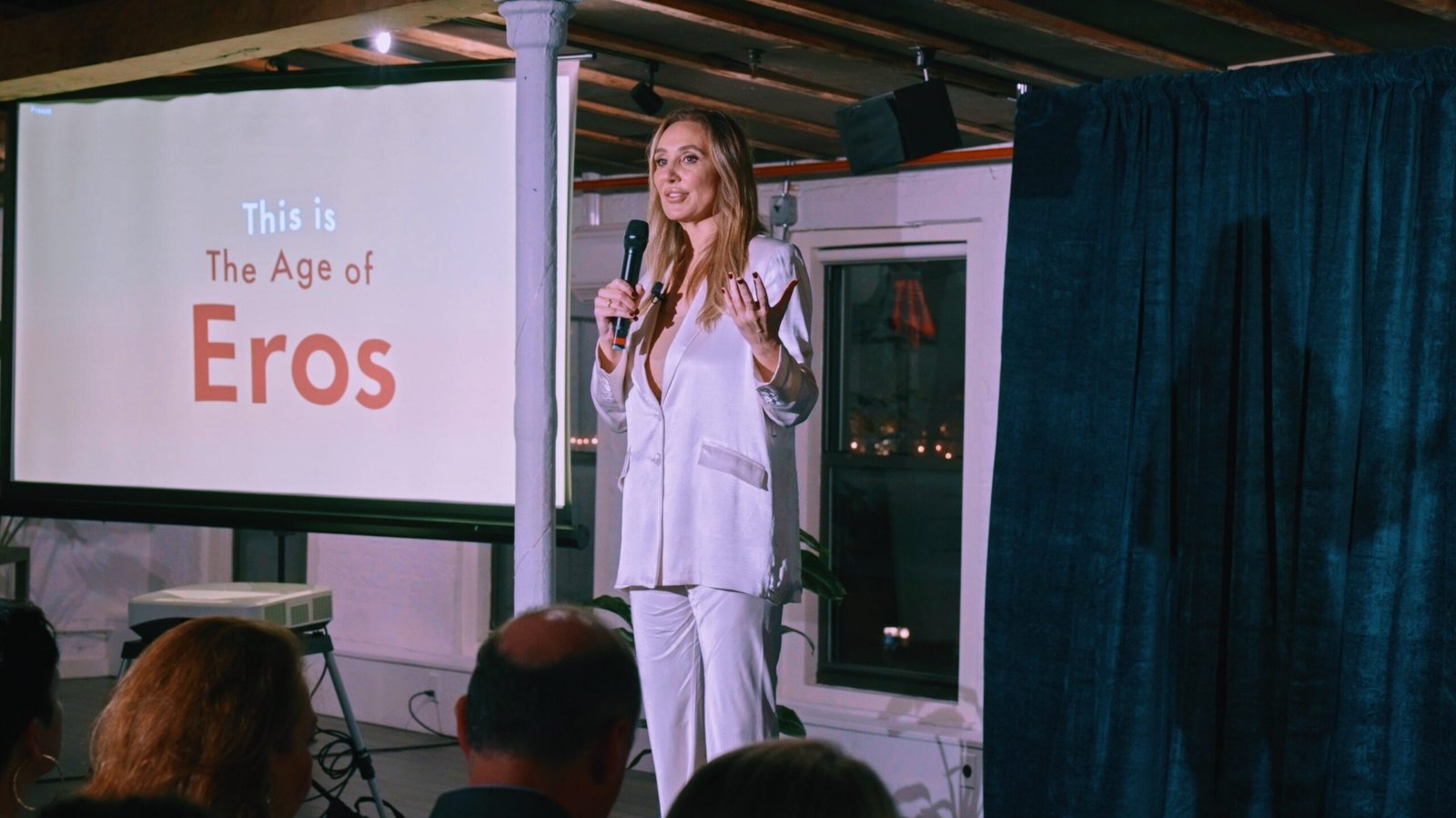
The 62nd session of the United Nations Human Rights Council opens on June 15 in Geneva, and among the written submissions already filed is a substantial statement by the ECOSOC-accredited NGO CAP-LC (Coordination des associations et des particuliers pour la liberté de conscience), a watchdog for religious liberty issues, on the OneTaste case. The document urges the Council to examine the implications of the convictions of Nicole Daedone and Rachel Cherwitz, who received sentences of nine and six-and-a-half years on March 30, 2026. CAP-LC presents the case as a turning point in the interpretation of trafficking law, with consequences that extend far beyond the United States.
The statement recounts the history of OneTaste, founded in San Francisco in 2004 to teach a practice known as orgasmic meditation. For many years, the group was portrayed in mainstream media as part of a broader movement of women exploring new forms of self-awareness. The climate changed after a 2018 article triggered a wave of negative coverage and a federal investigation. CAP-LC notes that the prosecution relied heavily on anti-cult narratives and on the idea of psychological manipulation, a concept that scholars of religion regard as pseudoscientific. The written statement observes that the government “relied on characterizations of Daedone as a spiritual authority whose teachings supposedly undermined individuality,” even though OneTaste was not classified as a religion.
A central concern is the legal theory used to secure the convictions. CAP-LC recalls the U.S. Supreme Court’s warning in “Kozminski” that psychological pressure alone cannot constitute involuntary servitude. The statement adds that “The 2000 Trafficking Victims Protection Act (TVPA) indeed included ‘psychological harm’ among the tools used to force victims into slave labor. However, the provision was intended for sex and immigrant trafficking, not for spiritual and self-help groups. In the latter cases, the warning in ‘Kozminski’ retains its force.”
The statement argues that the OneTaste decision departed from this principle by treating subjective accounts of influence as evidence of forced labor. It cites the “National Law Review” 2025 analysis, which states that the case “obliterated the line drawn in Kozminski,” turning trafficking law into a tool for policing belief and teaching. CAP-LC quotes the article’s warning that “every disgruntled ex-Mormon missionary, former seminarian, or departed ashram resident potentially holds a contingency fee lottery ticket,” illustrating how the precedent could expose mainstream religious communities to litigation.
The importance of the case has only grown. On May 26, 2026, the National Law Review published a second article reiterating its concerns. The new piece, titled “When Persuasion Becomes Crime: United States v. Cherwitz and the Second Circuit’s Forced Labor Doctrine,” again stresses that the appeal now before the Second Circuit will determine whether trafficking law remains anchored in constitutional boundaries or expands into a mechanism for criminalizing spiritual authority, mentorship, and non-coercive community life. The renewed attention from such an authoritative legal publication shows how far the case’s implications now extend.

CAP-LC’s statement also raises humanitarian considerations. It notes that Daedone and Cherwitz received long sentences despite the absence of physical coercion and despite testimonies from many participants who denied being victims. The document states that “governments sometimes explore forms of executive clemency to reaffirm their commitment to human rights and due process” when a conviction raises systemic concerns. CAP-LC does not prescribe a course of action for the United States. Yet, it suggests that humanitarian reflection would convey the importance of protecting freedom of belief and resisting the influence of anti-cult ideology in criminal law.
The statement concludes by reminding the Council that UN Special Rapporteurs have repeatedly warned against the misuse of laws rooted in prejudice toward minority beliefs. CAP-LC writes that the OneTaste case “illustrates how easily sensational narratives can influence legal proceedings and how quickly unconventional spiritual practices can be recast as criminal acts.” The organization expresses hope that the appeal will address these issues and that future prosecutions will remain grounded in evidence, proportionality, and respect for fundamental freedoms.
Those seeking a reliable account of OneTaste now have access to the first academic study of the movement, published by Massimo Introvigne and Maria Vardé as an entry in the specialized scholarly encyclopedia “World Religions and Spirituality Project,” edited by Professor David Bromley at Virginia Commonwealth University. This comprehensive entry examines the group’s history, teachings, internal dynamics, and controversies. It offers a documented presentation that moves beyond sensationalized media portrayals. Given the growing international attention to the case, this study is likely to become the principal reference for scholars, journalists, and policymakers who wish to understand OneTaste in its full context.

Alessandro Amicarelli is a solicitor of the Senior Courts of England and Wales, and a barrister of Italy, specializing in International and Human Rights Law and Immigration and Refugee Law. He has lectured extensively on human rights, and taught courses inter alia at Carlo Bo University in Urbino, Italy, and Soochow University in Taipei, Taiwan (ROC). He is the current chairman and spokesperson of the European Federation for Freedom of Belief (FOB).