A political family known for defending life, family, and national sovereignty convened a conference in Brussels to expose Russia’s propaganda targeting conservatives.
by Massimo Introvigne
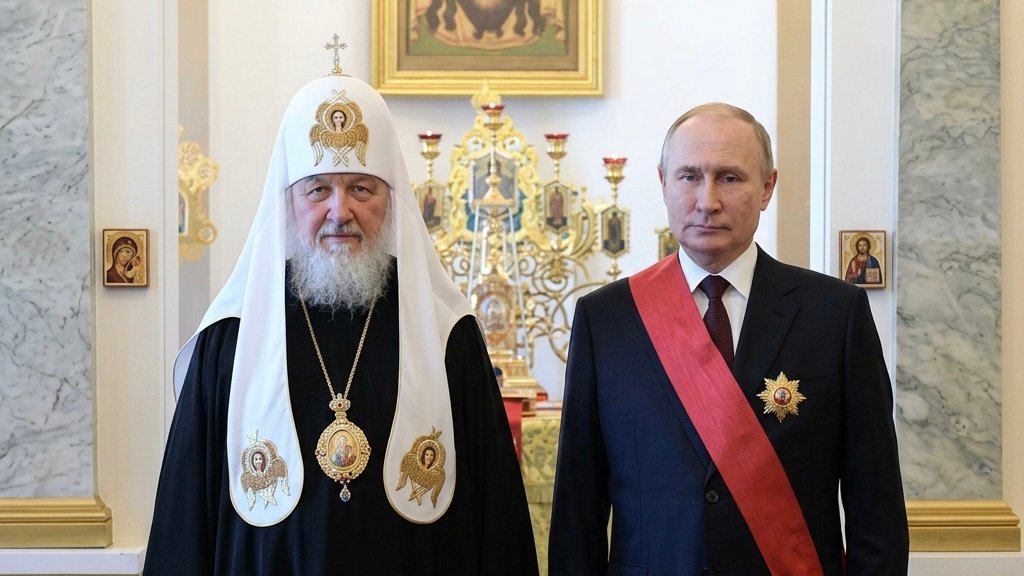
The event titled “Russia as a False Defender of Traditional Values,” organized in September at the European Parliament, was not the first criticizing Russian propaganda in the European Union. But it was significant considering who organized it: the European Conservatives and Reformists Group, whose largest parties are Italy’s Fratelli d’Italia led by Prime Minister Giorgia Meloni and Poland’s Law and Justice led by Jarosław Kaczyński. These parties have built their identity on pro‑life, pro‑family, and national sovereignty commitments, and their decision to host a meeting on Russian influence on European conservatives was itself a political message. They wished to demonstrate that Moscow’s rhetoric about defending family and faith is a façade, and that the Kremlin’s appeal across the political spectrum is sustained by the work of the Russian Orthodox Church.
The conference gathered MEPs, former intelligence chiefs, diplomats, and specialists in Russian influence operations. Their discussions revolved around a paradox: Russia manages to attract sympathizers on the left and on the right through narratives that contradict each other yet serve the same strategic purpose. On the left, Moscow presents itself as anti‑NATO, anti‑Western, and heir to the Soviet Union’s mythology of antifascist heroism. On the left, this mythology still resonates, and the memory of the Patriotic War retains emotional force. On the right, Russia promotes an image of a country defending family and tradition against a decadent West.
The organizers insisted that this image is deceptive, and that Russia’s domestic and international behavior reveals a pattern incompatible with genuine moral conservatism. They pointed to the situation in occupied Ukraine and to demographic data that contradict Moscow’s rhetoric. The legal abortion rate per 1,000 births is 314 in Russia, compared to 188 in the European Union, a figure that undermines the Kremlin’s claim to leadership of the pro-life camp.
These obvious lies are given credibility by the efforts of the Russian Orthodox Church, whose presence in the European Union is increasing—for political reasons, as it does not have more members there now than before the aggression against Ukraine started,
A study unveiled at the conference mapped the presence of Russian Orthodox Church structures across the European Union. More than six hundred entities connected to the Moscow Patriarchate operate within EU borders. By comparison, the chaplaincy mission of the Orthodox Church of Ukraine maintains roughly twenty‑five communities. The study described how Russian Orthodox parishes can adjust their public communication to local expectations, sometimes avoiding overt references to Moscow while maintaining ecclesiastical ties that remain invisible to casual observers. Religious life becomes a discreet channel through which narratives circulate even as other avenues narrow.
Speakers from the European Parliament addressed the ideological dimension of this phenomenon. A Latvian MEP stated that Russia uses values as political instruments and that its rhetoric conceals the absence of genuine principles. A Polish MEP referred to the historical concept of Moscow as the Third Rome and argued that the model admired by the Kremlin evokes authoritarian grandeur rather than spiritual authority.
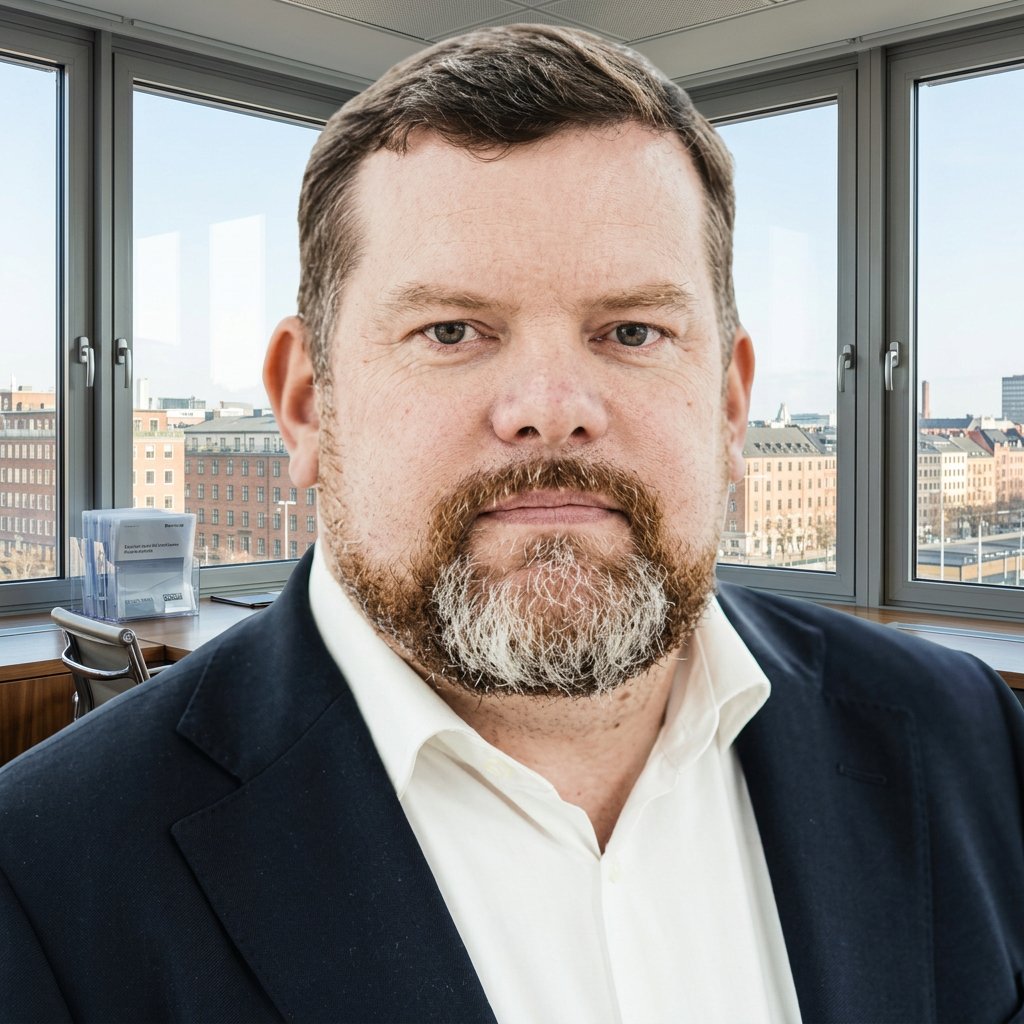
Andis Kudors, a researcher at the University of Latvia, explored the historical and ideological foundations of the relationship between the Russian state and the Church, tracing the evolution of the Third Rome idea and its transformation into the modern notion of the Russian World. His recent book “Russian Orthodox Church’s Wartime Public Diplomacy in Ukraine: Constructing the Russian World,” published by Routledge in 2026, examines how the Church’s wartime public diplomacy has contributed to constructing this worldview in the context of the conflict in Ukraine.
Ukrainian participants urged European institutions to devote more attention to the activities of structures linked to the Russian Orthodox Church. They proposed strengthening oversight of existing sanctions, increasing transparency in the financing of religious and para‑religious organizations, and introducing standards that would require communities to disclose their actual ecclesiastical jurisdiction. Such measures would allow citizens to understand which religious center a parish belongs to, even when its public presentation appears adapted to local sensibilities. They also encouraged support for Ukrainian chaplaincy missions, Sunday schools, and community centers throughout Europe, arguing that these initiatives foster resilience and cultural continuity.
The discussions in Brussels portrayed a landscape where influence does not always travel through official channels or media broadcasts. It can move through sermons, cultural events, and community networks that seem apolitical at first glance. The conference’s political message was that Russia’s moral rhetoric is a strategic costume, and that the Russian Orthodox Church plays a central role in making this costume credible to audiences across the ideological spectrum.
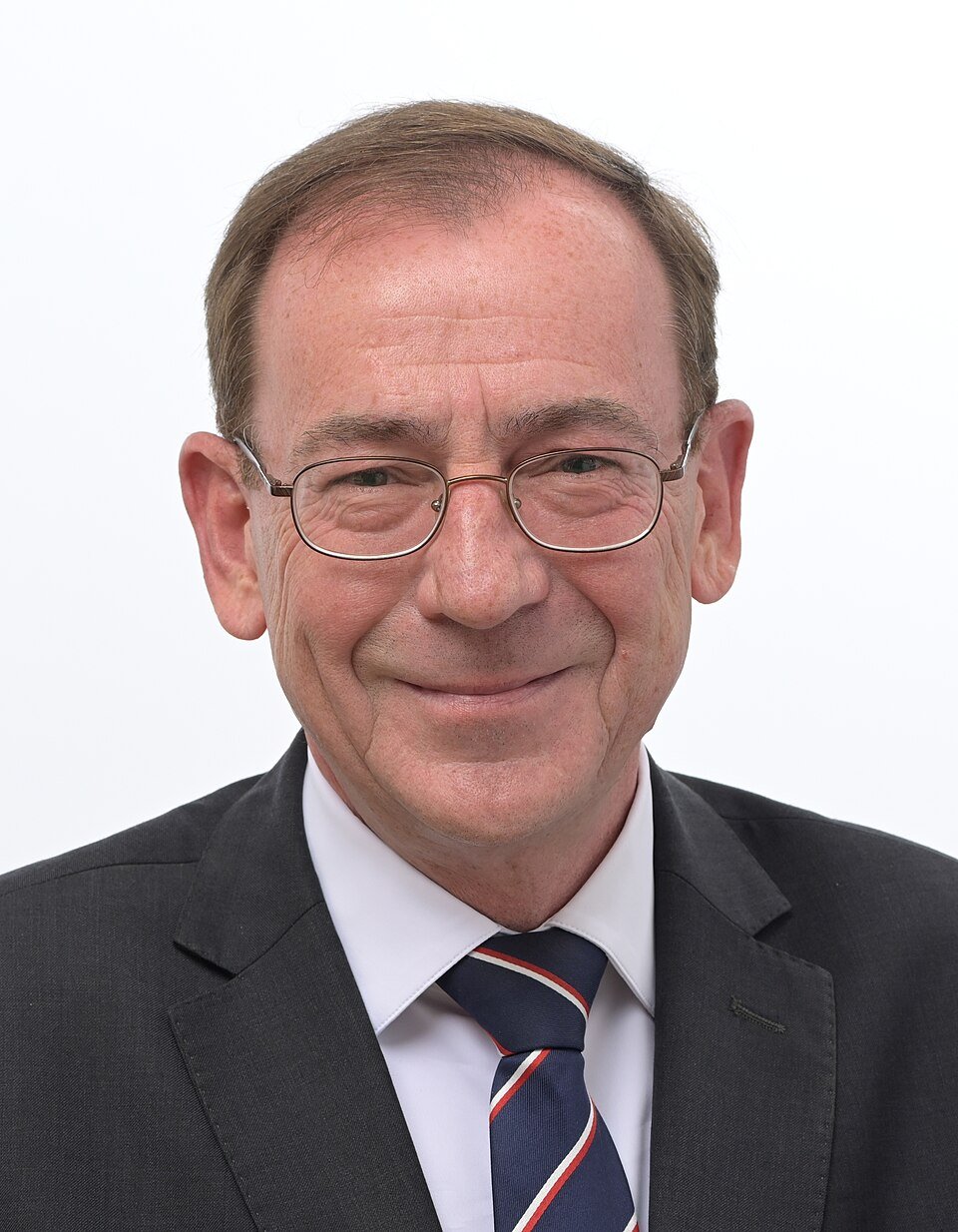
The organizers wished to demonstrate that defending traditional values requires exposing those who exploit them for geopolitical aims. Polish MEP Mariusz Kamiński highlighted the conclusion that “Putin’s Russia wants the world to perceive it as the Third Rome. However, the model the Kremlin adheres to is fundamentally that of the Third Reich.”

Massimo Introvigne (born June 14, 1955 in Rome) is an Italian sociologist of religions. He is the founder and managing director of the Center for Studies on New Religions (CESNUR), an international network of scholars who study new religious movements. Introvigne is the author of some 70 books and more than 100 articles in the field of sociology of religion. He was the main author of the Enciclopedia delle religioni in Italia (Encyclopedia of Religions in Italy). He is a member of the editorial board for the Interdisciplinary Journal of Research on Religion and of the executive board of University of Pennsylvania Press’ Nova Religio. From January 5 to December 31, 2011, he has served as the “Representative on combating racism, xenophobia and discrimination, with a special focus on discrimination against Christians and members of other religions” of the Organization for Security and Co-operation in Europe (OSCE). From 2012 to 2015 he served as chairperson of the Observatory of Religious Liberty, instituted by the Italian Ministry of Foreign Affairs in order to monitor problems of religious liberty on a worldwide scale.