統一教会の抗告審が係属中の東京高等裁判所に、著名な法学者である慶応大学名誉教授が提出した意見書。
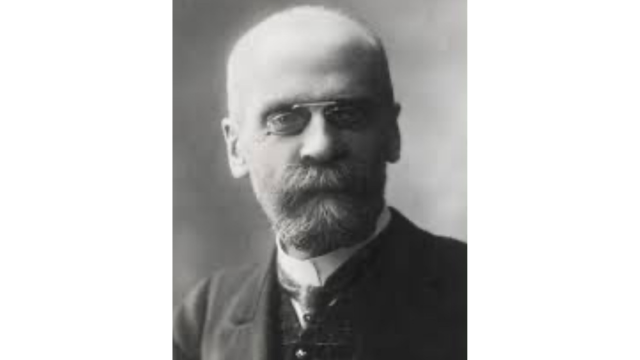

統一教会の抗告審が係属中の東京高等裁判所に、著名な法学者である慶応大学名誉教授が提出した意見書。

ディプログラミングを受けた元信者たちは、「統一教会を訴えるか、または再び監禁されるか」と迫られていた。解散命令は、このようなケースが根拠にされた。

The unique status of religious freedom among human rights implies that religions should be able to self-organize and be granted tax exemptions.

What has been done so far to solve the Tai Ji Men case? What can be done in the future?

Two different spiritual leaders share a passion for freedom of religion or belief and a common problem: the Chinese persecution of believers.
A report submitted to the Tokyo High Court, where the Unification Church appeal is pending, by a renowned legal scholar, professor emeritus at Keio University.

Taiwan’s Supreme Court decided that Tai Ji Men’s activities were not fraudulent. It was an important contribution to the international case law on the possibility of “spiritual fraud.”
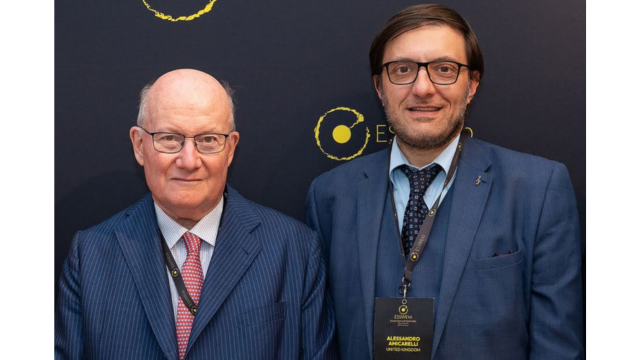
Una proposta vorrebbe punire il “plagio” asseritamente praticato dalle “sette” con pene da tre a otto anni di prigione. Un’intervista a Massimo Introvigne
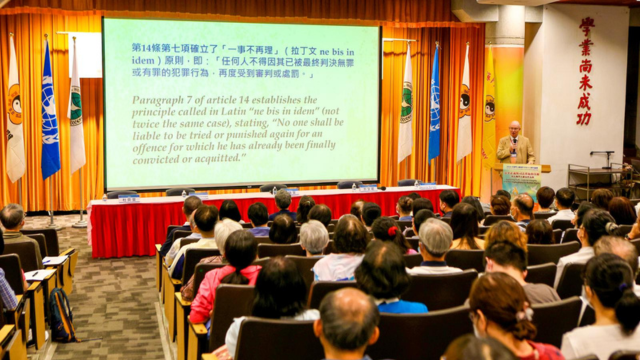
By ignoring the 2007 Supreme Court verdict, Taiwanese tax authorities violated Article 14 of the United Nations International Covenant on Civil and Political Rights.
A proposal would punish “mind control” allegedly practiced by “cults” with prison sentences ranging from three to eight years. An interview with Massimo Introvigne