Organizations from Europe and the United States filed separate reports as Argentina prepared to account for how it prevents ill-treatment in detention.
by Massimo Introvigne
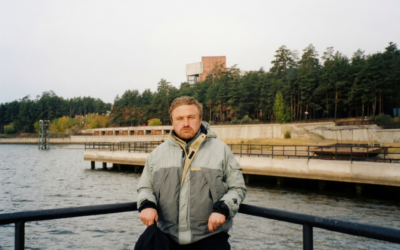
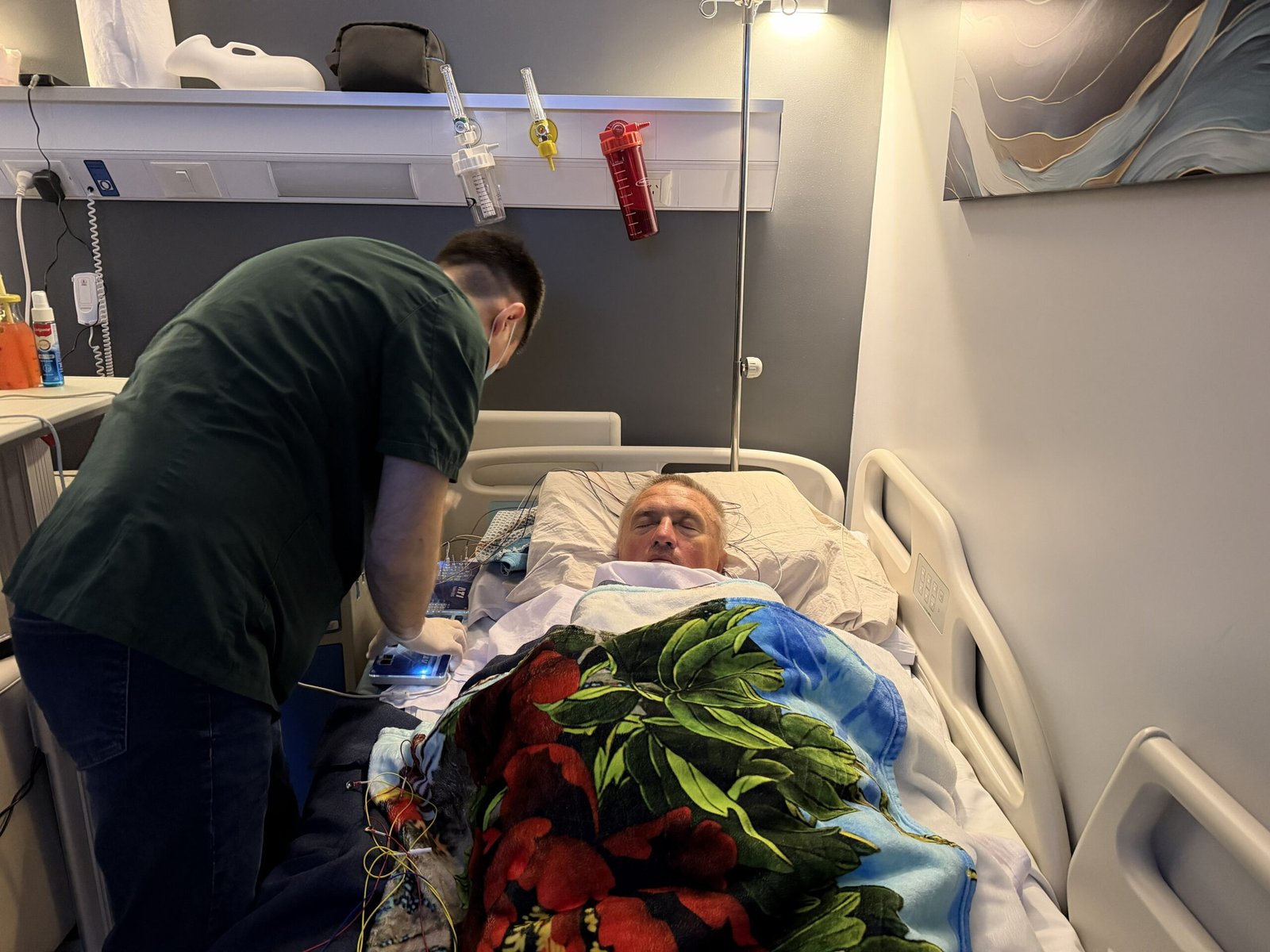
Konstantin Rudnev, a Russian spiritual teacher, was arrested in Bariloche, Argentina, in March 2025 and charged with trafficking a young Russian woman, Elena Makarova, who has always denied being his victim. After more than a year in the high-security prison of Rawson, where he lost 53 kilograms, he is now under house arrest near Buenos Aires, seriously ill, while prosecutors and a federal judge seek to confine him in a public hospital under police custody. His case, which “Bitter Winter” has followed since the beginning, has now reached the United Nations Committee Against Torture in Geneva. Six organizations have sent the Committee separate reports about it.
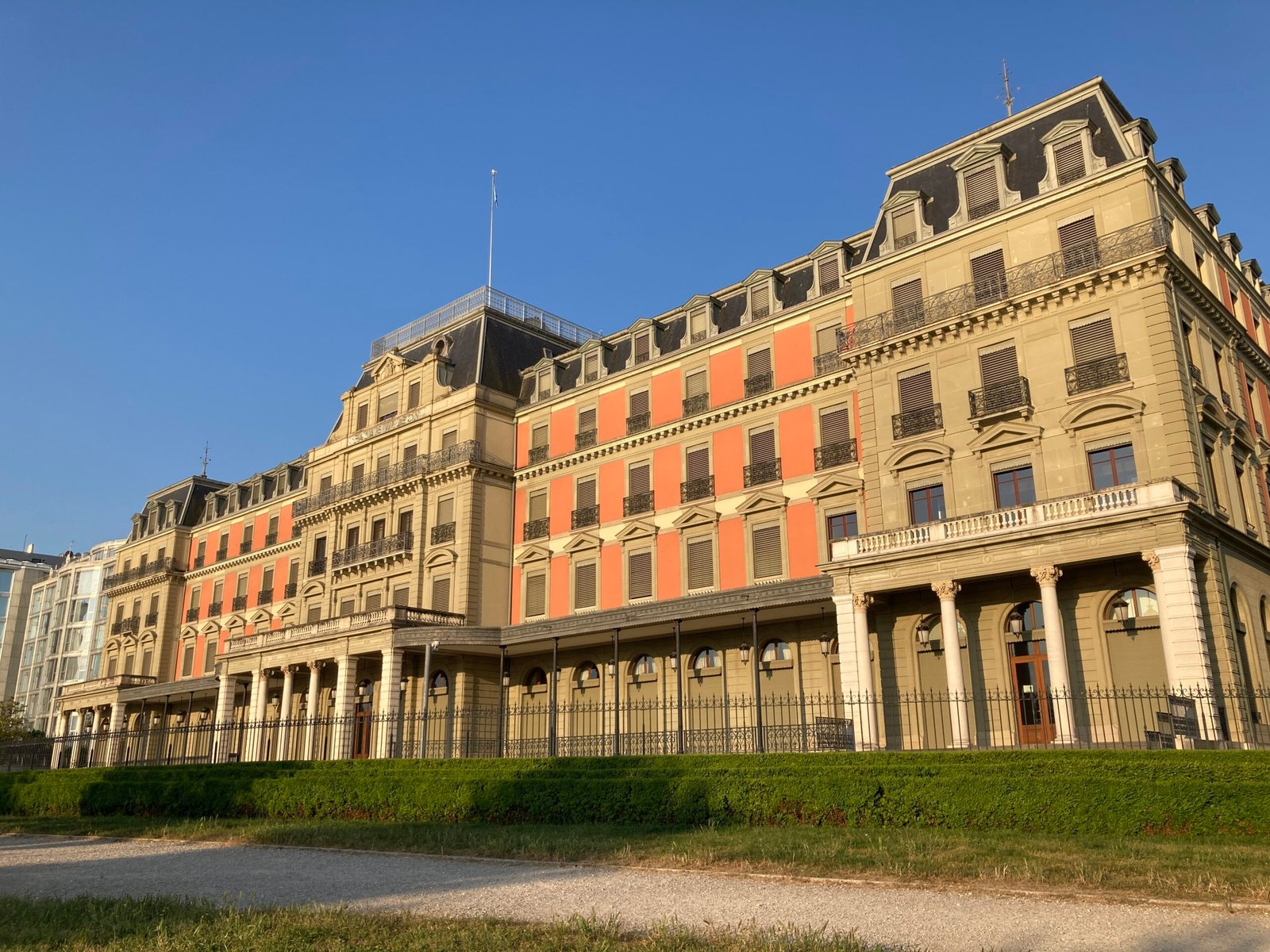
Argentina, like most countries, has ratified the United Nations Convention Against Torture and Other Cruel, Inhuman or Degrading Treatment or Punishment. A committee of ten independent experts monitors how States implement it. Every few years, each country submits a report; the Committee examines it in a public dialogue with government representatives, and it then adopts “concluding observations,” a document listing its concerns and recommendations.
The Committee then selects a few of the most urgent recommendations and asks the government to report within about a year on their implementation. This is the “follow-up procedure.” In Argentina’s case, the deadline is November 28, 2026. Four recommendations were selected: ending prolonged detention in police stations, strengthening the national system for the prevention of torture, regulating the use of force during protests, and adopting a “zero tolerance” approach to torture and ill-treatment, with a public message addressed to officials at all levels and prompt investigations of all allegations.
Non-governmental organizations may also send the Committee their own information, sometimes called “shadow reports.” The rules are strict. At the follow-up stage, a report must concern the selected recommendations. The Committee does not decide individual cases in this procedure. It assesses whether governments are doing what they promised, and it may put questions to them.
The Rudnev case fits naturally within two of the four recommendations: the one on zero tolerance and investigations, and the one on the national prevention system. Six organizations used this narrow door, each with its own perspective.
The first report came from CAP-LC (Coordination des associations et des particuliers pour la liberté de conscience), a French organization with special consultative status at the UN Economic and Social Council, which had already raised the case at the UN Human Rights Council and the OSCE. CAP-LC documented the treatment Rudnev received in Rawson, including ten days of solitary confinement in a punishment cell, pills administered daily without explanation or interpreter, and the absence of a lawyer of his choice for twelve days, as well as the treatment Makarova says she received from Argentine officials. It noted that, as far as is known, none of this has been investigated.
The European Federation for Freedom of Belief, through its president, London-based human rights lawyer Alessandro Amicarelli, offered a legal reading. It recalled that authorities must investigate possible ill-treatment on their own initiative, without waiting for a formal complaint, and compared the treatment of Rudnev with the case law of the European Court of Human Rights on the detention of seriously ill prisoners.
CESNUR, the Center for Studies on New Religions, of which I am managing director, contributed the perspective of scholars of new religious movements. Its report explained how the label of “cult leader,” used by the prosecution from the first hearing, increases the risk of ill-treatment and reduces the chances that complaints are taken seriously. It also showed how the discredited theory of “brainwashing” turns the denial of an alleged victim into evidence of her victimization.
Fedinsieme, an Italian interfaith committee including Muslims, Catholics, Buddhists, Hindus, and members of new religious movements, wrote through Turin attorney Francesco Curto. It reminded the Committee that many faiths represented among its members were once called “cults” themselves. It also quoted article 18 of the Argentine Constitution, which states that prisons exist “for security and not for punishment,” and showed how Italian law forbids keeping in prison a defendant whose illness is incompatible with detention.
Human Rights Without Frontiers, the Brussels-based organization directed by Willy Fautré, focused on transnational repression. Rudnev was persecuted in Russia, and narratives produced there, including by Russian anti-cult activists and bloggers, followed him to Argentina. HRWF asked the Committee to make sure that information coming from a persecuting State is assessed critically and recalled that Argentina may never send a person to a country where he risks torture.
Finally, the American Council on Justice and Conflict Resolution, whose president is Stephen Eric Bronner, Distinguished Professor Emeritus at Rutgers University, recalled that it had already asked Argentina’s Office of the Attorney General to examine the conduct of Prosecutor Fernando Arrigo. It asked the Committee to consider the protection of complainants and witnesses against reprisals, since a criminal case was opened against Makarova’s lawyer, and it argued that a hospital where a person is confined by court order under police custody is a place of detention, which should be open to independent monitoring.
Each report stands on its own. Together, they show something unusual. It is rare for the case of a single defendant to prompt six separate submissions in a follow-up procedure with such a narrow scope and a short deadline. The organizations came from France, Italy, Belgium, the United States, and a European federation. They included secular human rights groups, an academic center, an interfaith body, and lawyers, and they used different arguments.
What they share is the conviction that the Rudnev case is a test. It is a test of whether a seriously ill foreign defendant, stigmatized as a “cult leader” and targeted by the government of the country he left, can count on the protections that Argentina has promised the international community to guarantee to everyone in its custody. The reports are public, and the Committee will now read them alongside the Argentine government’s own report.
The Committee cannot free Rudnev or close the case against him. It can, however, ask questions the Argentine authorities will have to answer, in a forum where the international community is watching. For a man who spent ten days in a punishment cell and more than a year in a high-security prison without being tried, and who now risks being confined in a hospital turned into a prison, that attention matters.
“Bitter Winter” has followed the Rudnev case from the day of his arrest, and it will continue to do so. So will the human rights organizations, NGOs, scholars, and lawyers who have spoken out in his defense. They will keep advocating for his release until the facts of the case have been fully and impartially examined, justice has been done, and the Argentine authorities have shown that they respect the law and human rights. Should delays and procedural violations continue, international scrutiny will only increase. The officials, prosecutors, and judges handling the case should know that their decisions are being closely watched, and that any further violation will be brought to international attention. The longer the case drags on, and the heavier the pressure on a seriously ill man, the louder the calls for a fair hearing and for accountability will become.
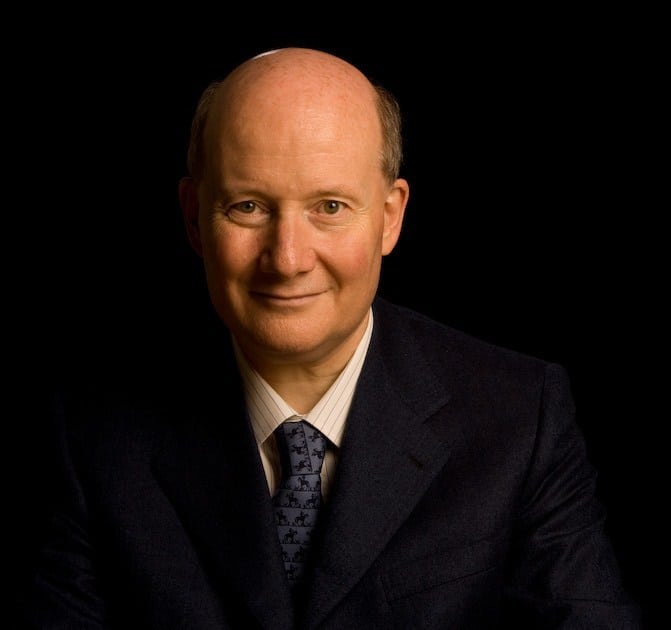
Massimo Introvigne (born June 14, 1955 in Rome) is an Italian sociologist of religions. He is the founder and managing director of the Center for Studies on New Religions (CESNUR), an international network of scholars who study new religious movements. Introvigne is the author of some 70 books and more than 100 articles in the field of sociology of religion. He was the main author of the Enciclopedia delle religioni in Italia (Encyclopedia of Religions in Italy). He is a member of the editorial board for the Interdisciplinary Journal of Research on Religion and of the executive board of University of Pennsylvania Press’ Nova Religio. From January 5 to December 31, 2011, he has served as the “Representative on combating racism, xenophobia and discrimination, with a special focus on discrimination against Christians and members of other religions” of the Organization for Security and Co-operation in Europe (OSCE). From 2012 to 2015 he served as chairperson of the Observatory of Religious Liberty, instituted by the Italian Ministry of Foreign Affairs in order to monitor problems of religious liberty on a worldwide scale.