Still without refugee status in Kazakhstan, the woman who exposed the horror of Xinjiang camps left the country on June 3, seeking asylum in Sweden.
 Massimo Introvigne
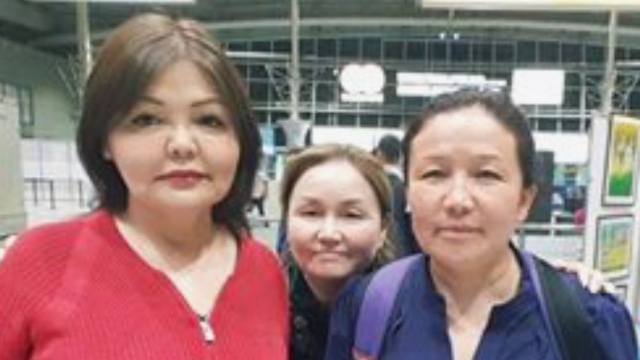
Bitter Winter has learned that on June 3, 2019 at 2.10 a.m. Sayragul Sauytbay, an ethnic Kazakh who had managed to escape the dreaded transformation through education camps in Xinjiang, left Kazakhstan with her husband and two children, seeking asylum in Sweden. Life in Kazakhstan had become too difficult for this brave woman, and she was afraid that she may be deported back to China.
Bitter Winter has followed the story of Sayragul Sauytbay since its beginnings. On August 6, 2018, we reported that a Kazakh judge had stopped her deportation to China, after she had crossed the border between China and Kazakhstan with a false passport on May 21, 2018, and had been arrested. Her husband and children were already in Kazakhstan.
The CCP, however, did not give up. First came the news that several members of her family still in China had been arrested. This is a familiar routine of retaliation when refugee cases are publicized by the media. Then, as Sauytbay revealed, she started receiving threats against her and her children.
Her lawyer started being “absent,” presumably intimidated himself, until she fired him and hired prominent human rights attorney Ayman Umarova. Death and other threats continued against both Sauytbay and Umarova, and the leader of a Kazakh human right organization that had campaigned in favor of Sauytbay’s asylum, Serikhzan Bilash, was placed under house arrest. Several NGOs supported Bilash, but he remains under house arrest to this day.
Sauytbay was repeatedly denied asylum, and received several mafia-style warning that she should stop talking with foreign media about the horrific reality of the transformation through education camps, or her children would suffer the consequences.
Now, she has decided to leave the country thanks to visas granted to her and her family by Sweden. As many others before her, she prefers exile to forced silence.
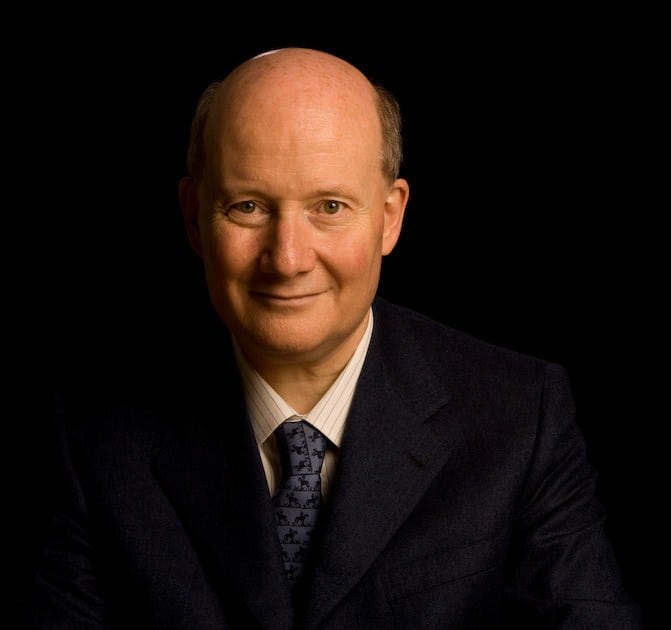
Massimo Introvigne (born June 14, 1955 in Rome) is an Italian sociologist of religions. He is the founder and managing director of the Center for Studies on New Religions (CESNUR), an international network of scholars who study new religious movements. Introvigne is the author of some 70 books and more than 100 articles in the field of sociology of religion. He was the main author of the Enciclopedia delle religioni in Italia (Encyclopedia of Religions in Italy). He is a member of the editorial board for the Interdisciplinary Journal of Research on Religion and of the executive board of University of California Press’ Nova Religio. From January 5 to December 31, 2011, he has served as the “Representative on combating racism, xenophobia and discrimination, with a special focus on discrimination against Christians and members of other religions” of the Organization for Security and Co-operation in Europe (OSCE). From 2012 to 2015 he served as chairperson of the Observatory of Religious Liberty, instituted by the Italian Ministry of Foreign Affairs in order to monitor problems of religious liberty on a worldwide scale.