Disturbing parallels with patterns of militarized raids on minority religions emerge.
by Alessandro Amicarelli
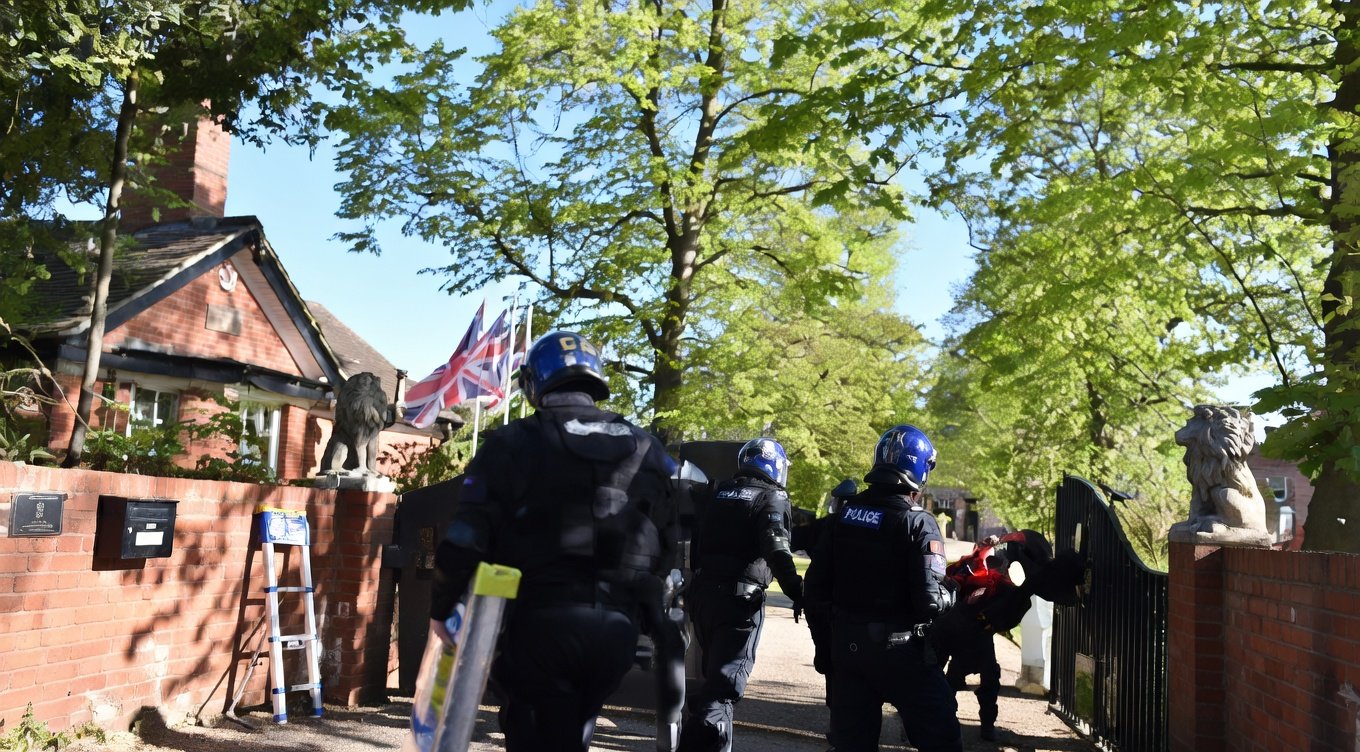
The April 29 operation in Crewe, where some 500 British police officers—reportedly joined by Irish and Swedish personnel—stormed the headquarters of the Ahmadi Religion of Peace and Light (AROPL), has generated serious questions about proportionality and the use of force. AROPL has filed a complaint with the United Nations for the mistreatments its members received in Sweden, and some see this action as the result of inputs to the UK from the Swedish police. While allegations of trafficking and sexual abuse have been mentioned in the media, they remain vague, and responsible reporting requires waiting for verifiable details before commenting on their substance. What can already be assessed, however, is the nature of the raid itself and the claims of excessive force advanced by AROPL members.
Witnesses described to “Bitter Winter” an intervention that began around 8:50 a.m. and quickly escalated into a scene of confusion and intimidation. They report that officers confined residents to rooms, prevented them from opening windows, and only produced a search warrant nearly an hour after the operation had begun. Accounts speak of tasering, violent takedowns, and individuals—including pregnant women—being pushed or thrown to the ground. A 16‑year‑old girl was allegedly struck in the face, and several detainees reported assaults while handcuffed. Children were dragged from their beds in pyjamas, separated from parents, interrogated without guardians present, and in some cases left without diapers, clothing, or medication. Some women and children were forced to walk barefoot on asphalt to the police station. Property damage was extensive, including broken doors and smashed household items. Religious sensitivities were disregarded when the leader’s headwear was removed despite prior assurances.
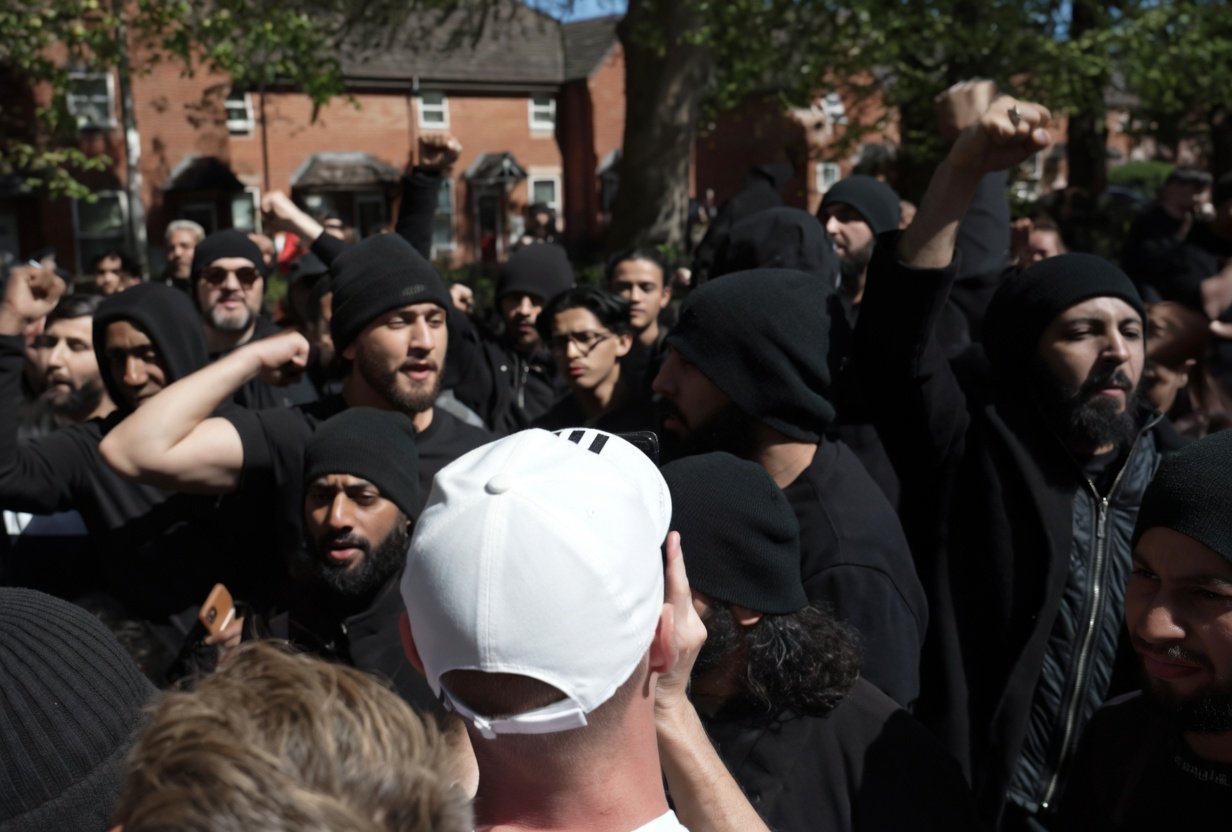
Inside the so‑called “Hall of Mysteries,” where many women and children had gathered, attempts to leave were reportedly blocked, and pepper spray was used despite the presence of minors. Scenes of panic unfolded as families tried unsuccessfully to exit what they perceived as an unsafe environment. Medical needs were neglected, including the case of a woman who missed essential dialysis treatment. At the police station, protesters who had been told they could demonstrate peacefully were dispersed with kicks, tear gas, and pepper spray; among those injured were an elderly man, a young woman repeatedly kicked on the ground, and a pregnant woman struck in the stomach.
These allegations echo patterns documented by scholars Susan J. Palmer and Stuart A. Wright in “Storming Zion: Government Raids on Religious Communities” (Oxford University Press, 2016). Their research shows that raids on minority religions often take on a militarized, theatrical character, shaped less by immediate law‑enforcement needs than by stereotyped narratives of “dangerous cults.” As they write, anticult organizations help construct “strategic frames” portraying such groups as inherently threatening, drawing on tropes of abuse, terrorism, or mass suicide, which in turn encourage authorities to overreact with disproportionate force.
The Crewe operation, with its massive deployment of officers and the reported treatment of women, children, and non‑combatants, fits this pattern with troubling precision. The scale and style of the intervention appear difficult to justify based on what is publicly known about the accusations. The allegations of violence, denial of medical care, interference with religious practice, and procedural irregularities—including contradictory instructions and lack of information about arrests—underscore the need for an independent investigation.

Alessandro Amicarelli is a solicitor of the Senior Courts of England and Wales, and a barrister of Italy, specializing in International and Human Rights Law and Immigration and Refugee Law. He has lectured extensively on human rights, and taught courses inter alia at Carlo Bo University in Urbino, Italy, and Soochow University in Taipei, Taiwan (ROC). He is the current chairman and spokesperson of the European Federation for Freedom of Belief (FOB).