After the 2018 agreement, pressure on Chinese Catholics is escalating amid apparent indifference from the Vatican, a Human Rights Watch Report says.
by Ruth Ingram
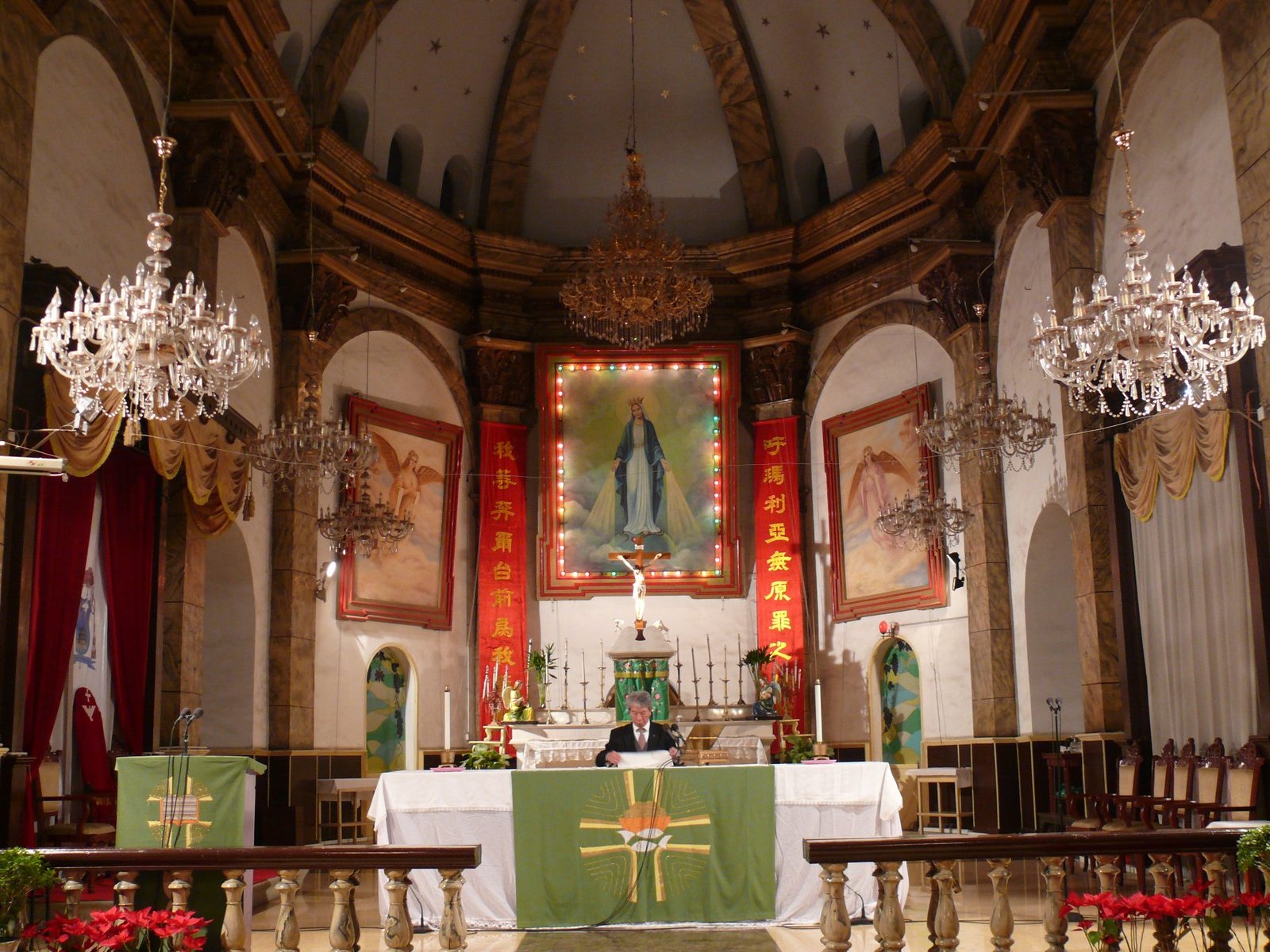
The noose is tightening around China’s Catholics who refuse to bow to Beijing.
Despite a rapprochement with the Holy See in 2018, which conceded the appointment of Bishops to the Chinese state with formal Vatican approval, their situation is grimmer than ever, with no improvement for China’s 12 million or so Catholics.
According to Yalkun Uluyol of Human Rights Watch (HRW), in his latest report, China’s clandestine Catholic faithful are under more pressure than ever to sign up to Beijing’s “Sinicized” version of their faith.
“A decade into Xi Jinping’s Sinicization campaign and nearly eight years since the 2018 Holy See-China agreement, Catholics in China face escalating repression that violates their religious freedoms,” he said. He has urged Pope Leo XIV to “urgently review the agreement and press Beijing to end the persecution and intimidation of underground churches, clergy, and worshipers.”
Beijing has been trying to cut ties with the Vatican since the 1950s, when the papal envoy was expelled under Mao Zedong, and Shanghai’s Cardinal Ignatius Kung was jailed for 30 years for refusing to renounce papal authority. The clampdowns have always been particularly severe against those who refuse to pledge allegiance to the Chinese Communist Party.
Since President Xi Jinping’s premiership in 2012, he has redoubled his efforts to bend all faiths into the Chinese Communist mold, with the Sinicization of religion and the imposition of “Chinese Characteristics” into religious architecture, teachings, and traditions becoming a core strategy in 2016. Foreign influence, Xi Jinping’s bête noire, became the target. Legal oversight over religion has increased, “patriotic worship” has been imposed, and online religious activities have been targeted.
Beijing wasted no time in clamping down once the agreement was signed in 2018. Bishops were pressured to join the Chinese Catholic Patriotic Association (CCPA). The Holy See appeared to dovetail into Beijing’s plans when it issued guidelines in 2019 allowing conscientious objection to the CPCA while accepting membership as the new normal.
A tranche of new laws restricting religious observance has come into force since then, cracking down on religious materials, children’s ministry, and Catholic-based charitable work. A Catholic priest’s plea to the Vatican to stop the closure of a long-standing orphanage in the Diocese of Zhaoxian, plus others that had come under the axe since 2018, has been brushed aside.
All religiously oriented charitable activities are now effectively banned following the new “Regulations on Religious Affairs” in 2018, which, whilst claiming to enshrine freedom of religious belief, have in effect restricted the ability of individuals or organizations to engage in such activities and denied them legal status.
Catholics are not alone in the rollout of oppression, which has incorporated all major religions in China. Tibetan Buddhists and Muslims have also seen their places of worship demolished and their adherents forcibly indoctrinated, imprisoned, tortured in clampdowns described as crimes against humanity and even genocide.
Vatican officials, causing consternation among Catholics in 2018, described “Sinicization” as potentially compatible with the inculturation of Christianity. They interpreted “Sinicization” as the process of embodying the religion in local Chinese culture, citing Catholic missionary “greats” such as Alessandro Valignano, Matteo Ricci, and Giuseppe Castiglione, who wished to open the way to a Catholicism with “‘Chinese forms,’…to proclaim the Gospel of Jesus Christ from a fully Chinese perspective.” However, the inculturation promoted by the great Catholic missionaries bore little resemblance to Xi Jinping’s “Sinicization,” which requires religion to embrace the Chinese Communist Party’s “core Socialist values.”
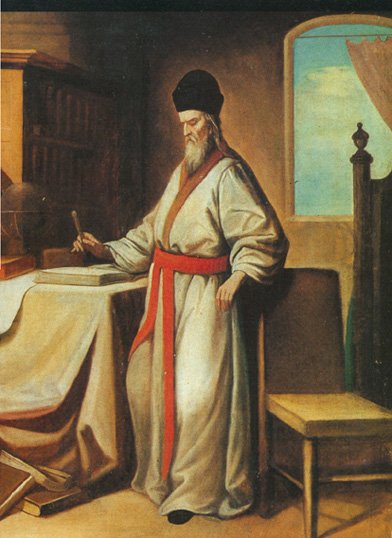
Neither Pope Francis nor the current Pope Leo XIV has spoken up against the accelerated ideological control, surveillance, and travel restrictions of China, 12 million Catholics, with Pope Leo XIV having rubber-stamped Beijing’s five latest bishop appointments.
None has flagged up the illegal detention, even torture, of 10 Vatican-approved bishops whose persecution over many decades has been met with a wall of silence, nor raised the deaths of six other bishops who have died over the past six years, nor that of those who have simply vanished.
The Vatican’s muted reaction has emboldened Beijing to increase its stranglehold on all Catholics.
According to the HRW report, some underground Catholics said they felt betrayed by the Vatican, and dozens of Catholics interviewed by one expert reported feelings that the Vatican is also “coming after them.”
A priest living abroad fears that because new bishops are now not being appointed for the underground church, “in the long run, underground Catholics [in China] will be gone.”
Mandated ideological training for clergy has been described in the report by an academic who had interviewed dozens of church members in China as a concerted effort to “decrease the energy of religious figures.”
Increased surveillance and requirements in some areas to pre-register their intention to attend a church service have discouraged the faithful in the newly appointed “patriotic” churches from attending, prompting some to arrange fake weddings to “gather and pray” outside the watchful eye of cameras at official buildings.
A Catholic with firsthand knowledge of conditions in Shaanxi shared his fears with HRW that restricting access to children was “aimed at cutting generational ties within the Catholic community.” Internal documents have been circulated discouraging parents from “instilling religious ideas in their children” and telling schools to “guide students to report” any such instances to the relevant authorities proactively.
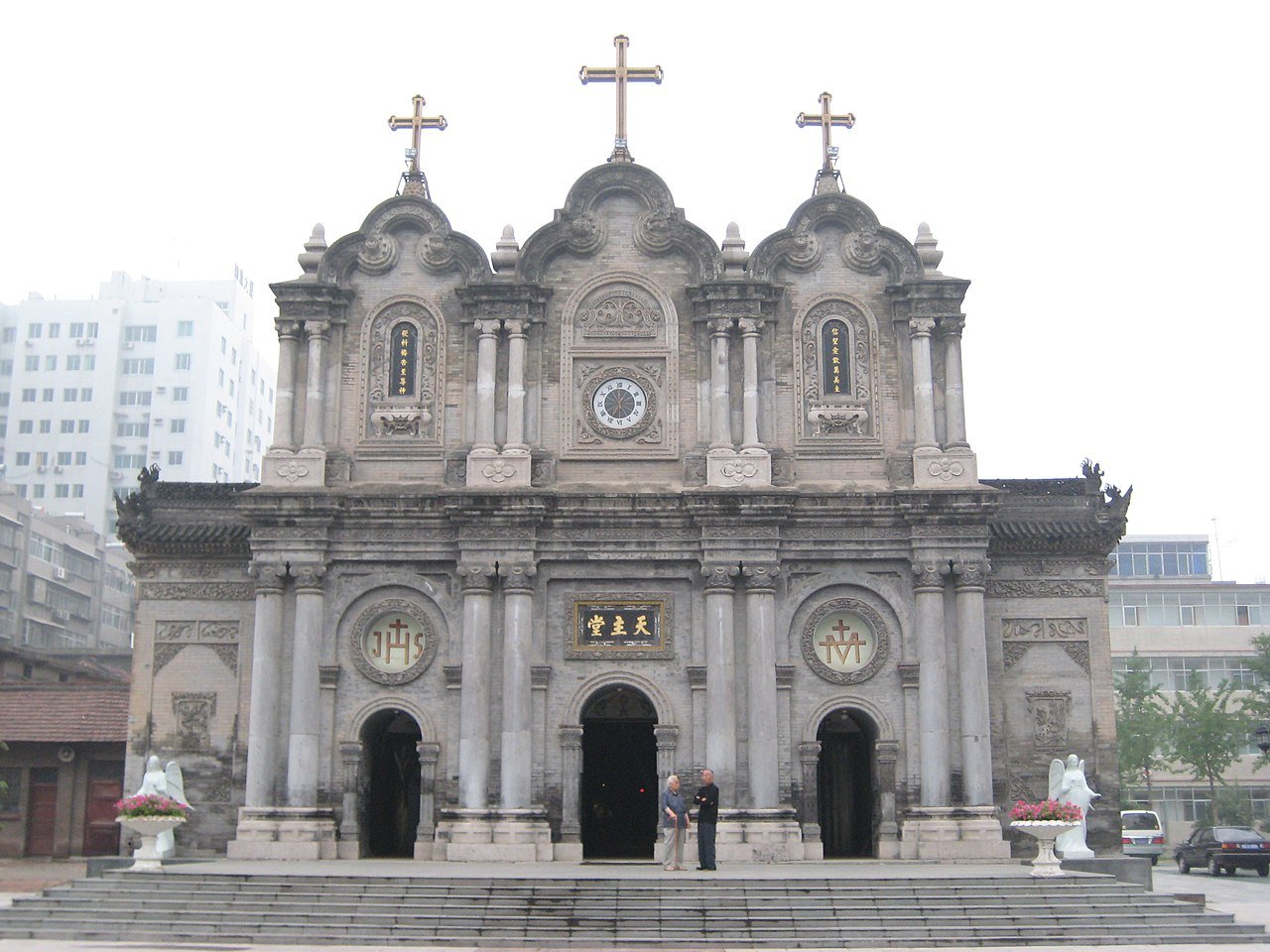
According to the HRW report, repression of Catholics contravenes or violates a swathe of international human rights standards and law, not least of which is Article 18 of the Universal Declaration of Human Rights. Article 18 of the International Covenant on Civil and Political Rights (ICCPR), which China has signed but not ratified, enshrines the right to freedom of thought, conscience, and religion. This right includes for everybody “freedom to have or to adopt a religion or belief of his choice, and freedom, either individually or in community with others and in public or private, to manifest his religion or belief in worship, observance, practice and teaching.”
Uluyol urges the Holy See and concerned governments to press Beijing to respect the religious freedom of all Catholics and other religions in China. “The Chinese government should stop persecuting and intimidating worshipers for upholding their faith and spirituality independent of Communist Party control,” he said.

Ruth Ingram is a researcher who has written extensively for the Central Asia-Caucasus publication, Institute of War and Peace Reporting, the Guardian Weekly newspaper, The Diplomat, and other publications.