A follow-up submission to the Human Rights Council details how sustained hostility toward CGM members culminated in a violent assault only days after CAP-LC’s warning.
by Massimo Introvigne
The situation of the Christian Gospel Mission (Providence) in South Korea and Taiwan has taken a deeply troubling turn. Coordination des Associations et des Particuliers pour la Liberté de Conscience (CAP-LC), an ECOSOC-accredited NGO, has submitted a new written statement to the United Nations Human Rights Council, warning that previously documented discrimination has now escalated into physical violence. This follows the organization’s earlier intervention at the Council’s 61st session, when CAP-LC filed a detailed written statement and delivered an oral statement on the same issue, which “Bitter Winter” summarized in January. The new filing is a direct followup, prompted by events that unfolded only days after that earlier warning.
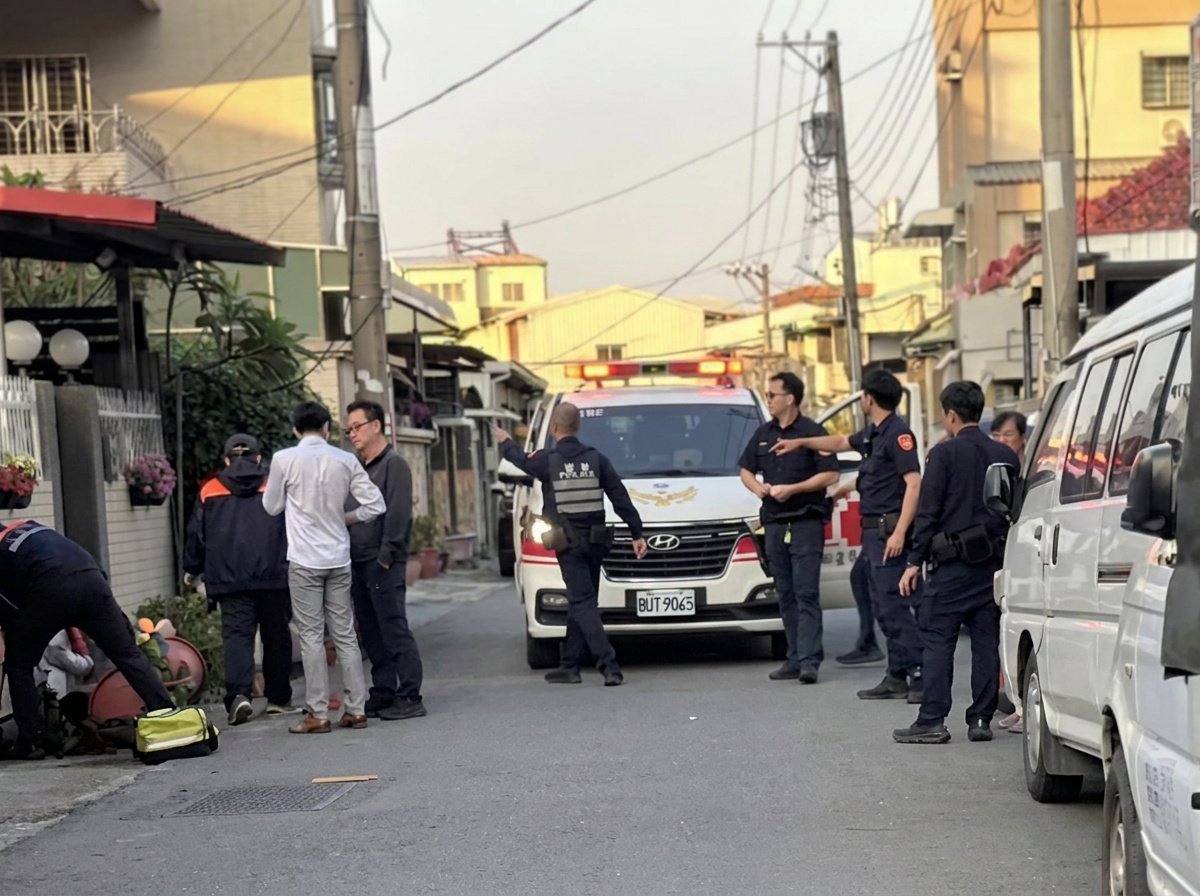
On March 8, two CGM members—Li, a university professor, and Yang, a pastor—were violently attacked in Kaohsiung’s Hunei District. The assailant had previously harassed the group and arranged a meeting under false pretenses. According to the statement, he arrived “armed with an irritant liquid and a hammer,” sprayed the victims in the eyes, and struck them repeatedly. One suffered a severe head wound, leaving “blood splattered on the wall beside him,” while the other sustained eye injuries. Police intervention prevented a fatal outcome, and the attacker now faces charges of attempted murder and aggravated assault. CAP-LC emphasizes that “this incident was not an isolated event but rather the result of a longstanding atmosphere of hostility.”
CGM’s leader has been convicted of sexual abuse through judgments many members believe were unjust. CAP-LC takes no position on those legal matters. Its concern is for the ordinary believers—“students, teachers, caregivers, small business owners”—who face no accusations yet have endured years of stigmatization. Since the release of a Netflix documentary in 2023 and its sequel in 2025, CGM members have been subjected to harassment in schools and universities, workplace discrimination, onlin doxxing, and the breakdown of family relationships. Women have been targeted with sexualized slander, and small business owners have suffered due to coordinated campaigns of negative reviews and boycotts.
Download the written statement (the distribution date will be indicated by the Council later).
The new statement argues that the Kaohsiung attack must be understood within this broader environment. When a minority religion is repeatedly portrayed as dangerous, “the line between criticism and incitement becomes alarmingly thin.” Individuals with fragile psychological states may interpret sensational media narratives as a call to act. This does not excuse violence, but it highlights how public discourse can shape perceptions and embolden those inclined to aggression.
The filing also stresses that discrimination has penetrated institutions, workplaces, and homes long before culminating in physical assault. Students have been mocked or excluded after their affiliation was revealed online. Teachers and civil servants have faced pressure from colleagues and superiors. Families have been torn apart under suspicion, with some members subjected to coercive “interventions” or domestic abuse justified by media narratives. These patterns, the statement notes, are “the other face of the slander’s consequences.”
The attack in Kaohsiung marks a turning point. It demonstrates that the situation surrounding CGM has moved beyond discrimination into a realm where violence is now possible—and, tragically, real. CAP-LC reminds the Council that Article 18 of the Universal Declaration of Human Rights protects freedom of religion, Article 12 protects privacy, and Article 7 guarantees equality before the law. The International Covenant on Civil and Political Rights reinforces these protections. When media narratives blur the distinction between accusations against leaders and the rights of ordinary believers, these guarantees lose their meaning.
The organization urges the Human Rights Council to acknowledge this escalation and encourage States to investigate both the violent attack and the broader environment that enabled it. CAP-LC calls for monitoring institutional discrimination in South Korea and Taiwan, particularly in education and employment, and for renewed attention to the ethical responsibilities of global streaming platforms whose productions can incite hostility against minority religions. It also stresses the need for public discussions to distinguish between legal proceedings concerning leaders and the rights of ordinary members, who “deserve dignity, safety, and the presumption of innocence.”
The Kaohsiung attack is a stark reminder that stigmatization is never harmless. When left unchecked, it can evolve into acts of violence that endanger innocent lives. The new CAP-LC filing makes clear that the international community must act before the situation deteriorates further.
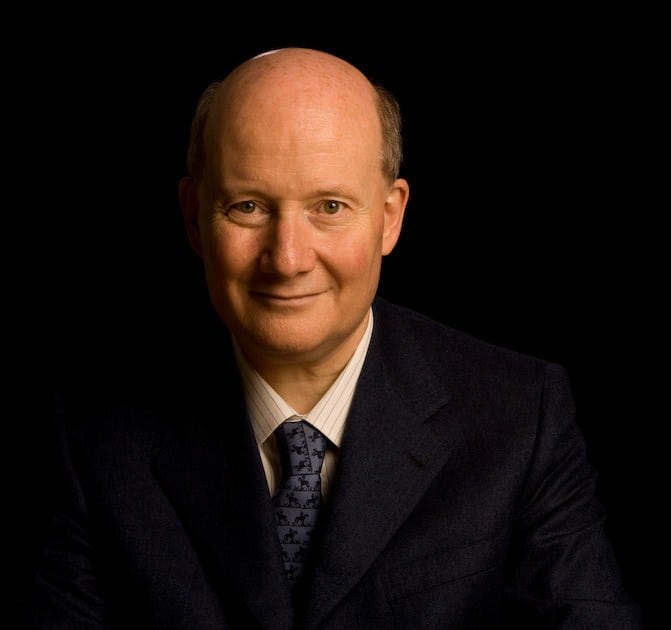
Massimo Introvigne (born June 14, 1955 in Rome) is an Italian sociologist of religions. He is the founder and managing director of the Center for Studies on New Religions (CESNUR), an international network of scholars who study new religious movements. Introvigne is the author of some 70 books and more than 100 articles in the field of sociology of religion. He was the main author of the Enciclopedia delle religioni in Italia (Encyclopedia of Religions in Italy). He is a member of the editorial board for the Interdisciplinary Journal of Research on Religion and of the executive board of University of Pennsylvania Press’ Nova Religio. From January 5 to December 31, 2011, he has served as the “Representative on combating racism, xenophobia and discrimination, with a special focus on discrimination against Christians and members of other religions” of the Organization for Security and Co-operation in Europe (OSCE). From 2012 to 2015 he served as chairperson of the Observatory of Religious Liberty, instituted by the Italian Ministry of Foreign Affairs in order to monitor problems of religious liberty on a worldwide scale.