U.S. case law and state laws recognize a confessional privilege for all religions. However, the pedophile priest crisis led to calls for abolishing it.

The Struggle for Confession. 3. What About the United States?
read more

U.S. case law and state laws recognize a confessional privilege for all religions. However, the pedophile priest crisis led to calls for abolishing it.
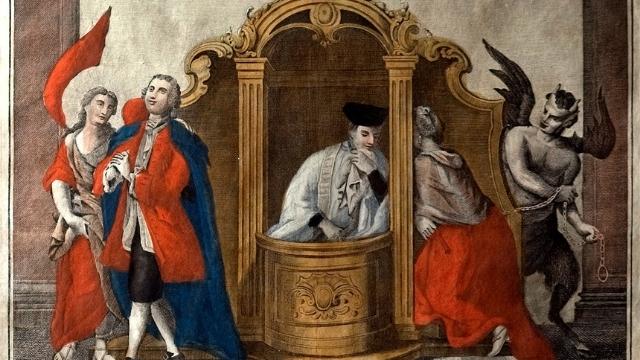
While in Italy the Concordat with the Catholic Church creates a special situation, in other countries attacks against the legal protection of the confessional secret are gaining momentum.

A very important book critically addresses proposals that statutes protecting the confidentiality of religious confession should be abolished.

The earlier stories of the popular detective series were written by a secular humanist. But the Stratemeyer Syndicate made them into a Christian answer to “bad” dime novels.

“Experts” call Reiki an “occult religion” or a “destructive cult.” They misunderstand what Reiki is all about.

Some try to persuade us that Nostradamus, the French 16th-century astrologer, predicted World War III and widespread religious persecution. A look at the “Nostradamologists.”

From 2016, ISIS replaced Lashkar-e-Jhangvi as the deadliest anti-Hazara terrorist group. In 2020, Hazaras were accused of spreading COVID as the “Shi’a virus.”

Lashkar-e-Jhangvi terrorists Usman Saifullah Kurd and Dawood Badini waged a war of extermination against the Hazaras of Balochistan.
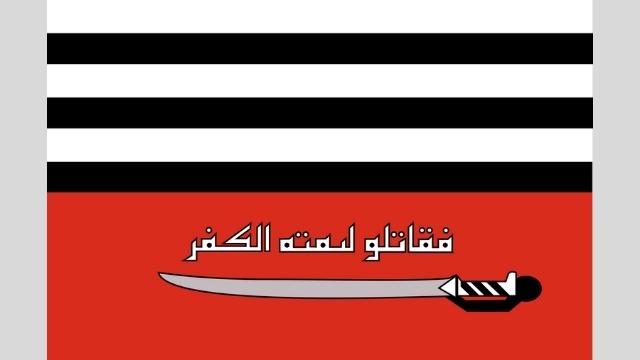
Founded in 1996, LeJ emerged as the most radical anti-Shi’a groups, and the only one able to launch a terrorism campaign against the Hazaras in Balochistan.

From the late 1970s, sectarian violence targeted Pakistani Shiites, due to both domestic and international factors.