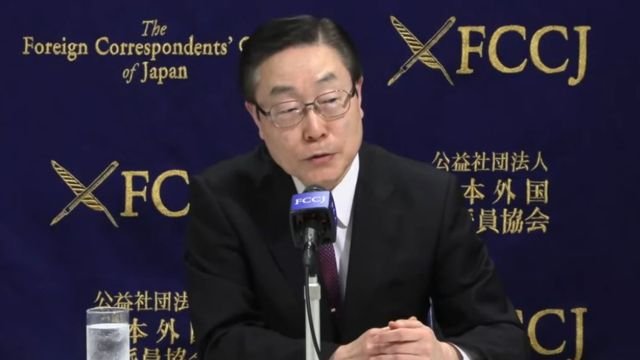
Paradoxically, the dissolution was pronounced after the methods for soliciting donations that the court had objected to had almost disappeared.
Patricia Duval
Japan: Dissolution of the Unification Church. The Duval Report. 3. Reading the Decision
The District Court relied not only on civil cases but also on settlements and statements, and ignored the issue of deprogramming.
Japan: Dissolution of the Unification Church. The Duval Report. 2. The Japanese Context
The court decision is the culmination of almost forty years of harassment of the religious movement by politically motivated and greedy lawyers.
Japan: Dissolution of the Unification Church. The Duval Report. 1. The Religious Aim of Donations
The dissolution decision is based on the accusation of soliciting excessive donations. But their religious nature is ignored.
Japan and the Unification Church: False Figures Supported the Dissolution
The Japanese government is claiming there were 500 victims of coerced donations after 2009. This figure is false.
日本と宗教、「公共の福祉」というスキャンダル:2. 統一教会への攻撃
「公共の福祉」の原則は、多数派が不快に思う宗教は排除され得ることを意味する。それが現在、統一教会に起きている。
日本と宗教、「公共の福祉」というスキャンダル:1. 日本の国際的義務への背反
日本が憲法および法律において、「公共の福祉」の名のもとに宗教の活動を制限し、さらには抑圧できるという原則を維持することは、国際的義務に違反する。
Japan and Religion, the Scandal of “Public Welfare.” 2. The Assault on the Unification Church
The “public welfare” principle implies that if a religion displeases the majority, it can be eradicated. It is what is happening to the Unification Church.
Japan and Religion, the Scandal of “Public Welfare.” 1. Betraying Japan’s International Obligations
By keeping in its Constitution and laws the principle that religions may have their activities restricted and even be suppressed in the name of “public welfare,” Japan violates its international obligations.
日本における統一教会の子どもたちのディプログラミング2. 精神科病院が宗教的信仰を「治療」する可能性
フランスの弁護士パトリシア・デュバル氏が、国連の4人の特別報告者に送った報告書の第2部:日本の「取組」によれば、宗教的信仰は精神疾患の一種と見なされる。