The leader of The Revelation Spiritual Home traveled to Korea to meet with the detained leader of the Family Federation for World Peace and Unification.
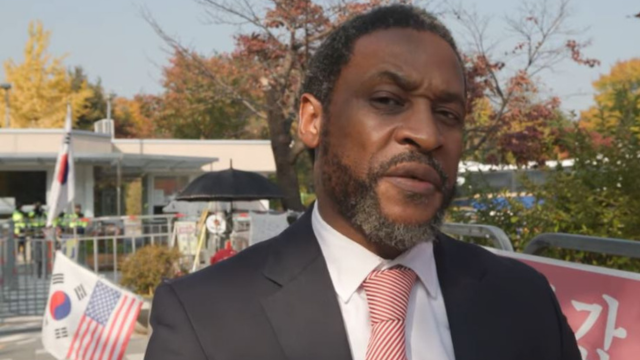

The leader of The Revelation Spiritual Home traveled to Korea to meet with the detained leader of the Family Federation for World Peace and Unification.
韓総裁はいま、わずか数日の医療措置を許可された。しかし韓総裁は条件なしで釈放されるべきである。

Sheffield Hallam University, under Chinese pressure, ordered a leading professor to stop research on forced labor in the Uyghur region.
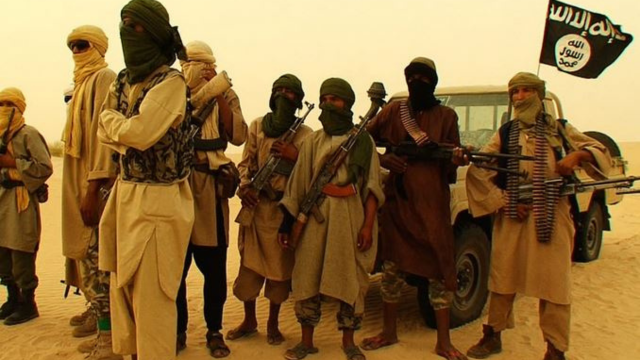
Burkina Faso, Cameroon, and Chad continue to witness deadly violence by non-state actors and insufficient protection of religion by the governments.
She is now allowed a few days of medical care. She should be freed, unconditionally.
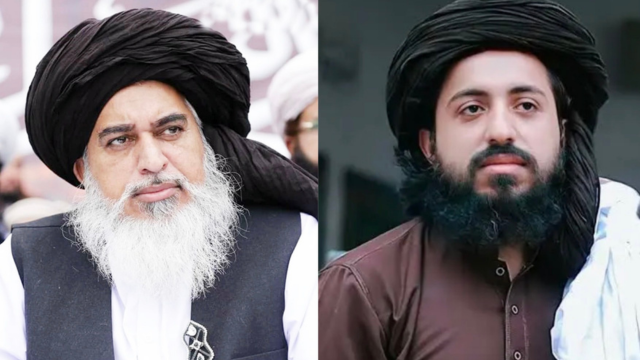
The violent, extremist organization has repeatedly demonstrated that it can overcome bans and reorganize with new shapes and names, as long as the broader problems remain unaddressed.
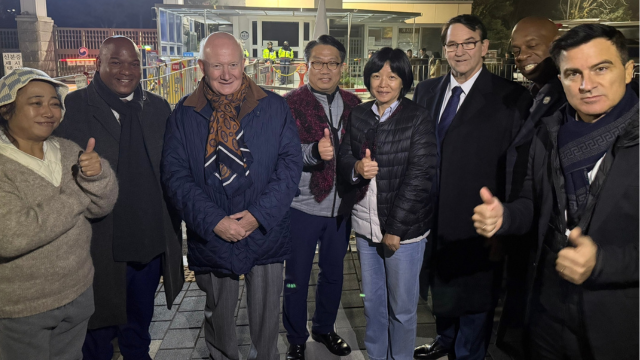
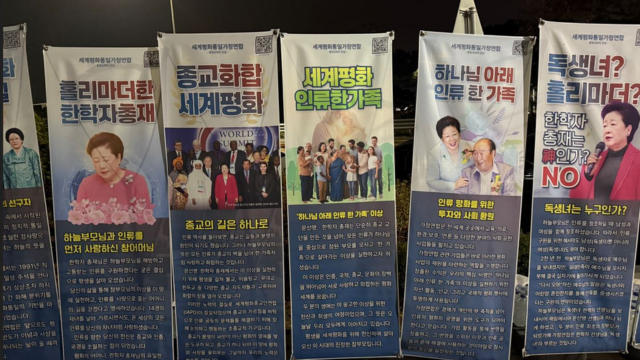
家庭連合の指導者が収監されているソウルの刑務所の前には、毎晩何百人もの信者と友人が集まっている。われわれは彼らに会いに行った。
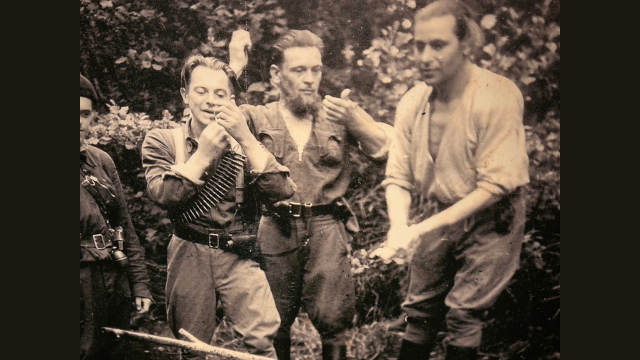
A unique exhibition tells the story of Lithuanian anti-Soviet partisans through their boots and shoes.
Hundreds of believers and friends gather every night in front of the jail in Seoul where the Family Federation leader is imprisoned. We went to meet them.

The forgotten meeting between the Victorian novelist and the South African religious and political activist—and Simon Magus’ excellent book on Haggard.