The case of Sun Chao from Qujing’s Philadelphia Church shows how ordinary believers are swept into the tightening campaign against unregistered congregations.
by Li Xiaosi
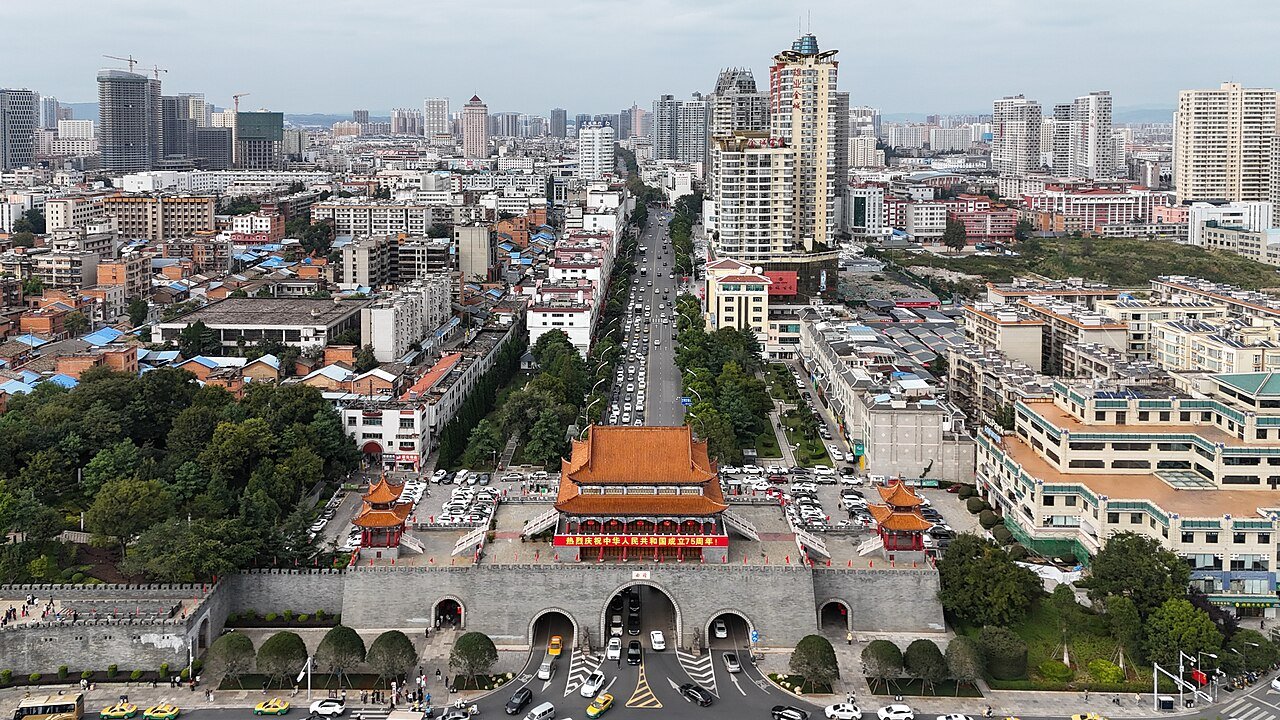
For more than a decade, Christians in Yunnan’s house church networks have watched the authorities intensify pressure on gatherings that operate outside the state-controlled system. Among those affected is Sun Chao, a preacher from Qujing’s Philadelphia Church, whose ministry began quietly in his youth and gradually grew into a full pastoral commitment. He joined local worship meetings as a young believer and later took on preaching and visitation duties, becoming one of the younger figures entrusted with spiritual care in his community.
Medical challenges have long shaped Sun’s family life. His wife, Zhao Ying, shares his faith, and together they raise two children. Their younger child requires ongoing treatment for a congenital eye condition, and Sun himself suffers from epilepsy, a condition that demands regular medication to prevent dangerous seizures. These burdens have weighed heavily on the household, yet he continued to serve in the house church even as pressure on unregistered congregations increased.
In 2018, he signed the petition against the new Religious Affairs Regulation. Beginning in 2024, Sun’s encounters with law enforcement became more frequent. Authorities placed him under administrative detention in Kunming, and the following year detained him again in Qujing. These episodes were part of a broader pattern in which local authorities signaled that independent Christian activity would be met with escalating measures.
The decisive shift occurred in the summer of 2026. After preaching in Xuanwei, Sun was detained for twelve days on July 25, 2026, on accusations of participating in unauthorized religious activity. His wife arrived on the day he was supposed to be released, August 7, expecting to bring him home. Instead, she learned that the case had been reclassified as criminal, with the charge upgraded to organizing illegal gatherings. This change places him at risk of prolonged detention and a formal trial.
Concerns about his health have grown since the case escalated. Epilepsy requires uninterrupted access to medication, and it remains unclear whether the detention facility can meet his medical needs. His family’s situation has become more precarious, and Zhao Ying has repeatedly appealed for public attention to her husband’s condition and rights. Members of their congregation also hope for his release, aware that his absence leaves both his household and the church in distress.
Sun is being held in the local detention center in Xuanwei, where his case continues to unfold. His situation shows how tightening religious policy affects ordinary believers whose only offense is gathering without registration. The appeals of his wife and fellow Christians persist, sustained by the hope that he may return home and resume the life interrupted by the latest wave of repression.

Uses a pseudonym for security reasons.