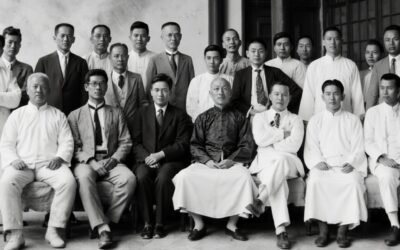
Tai Ji Men’s long journey toward justice continues to inspire international concern and civic reflection.
by Daniela Bovolenta
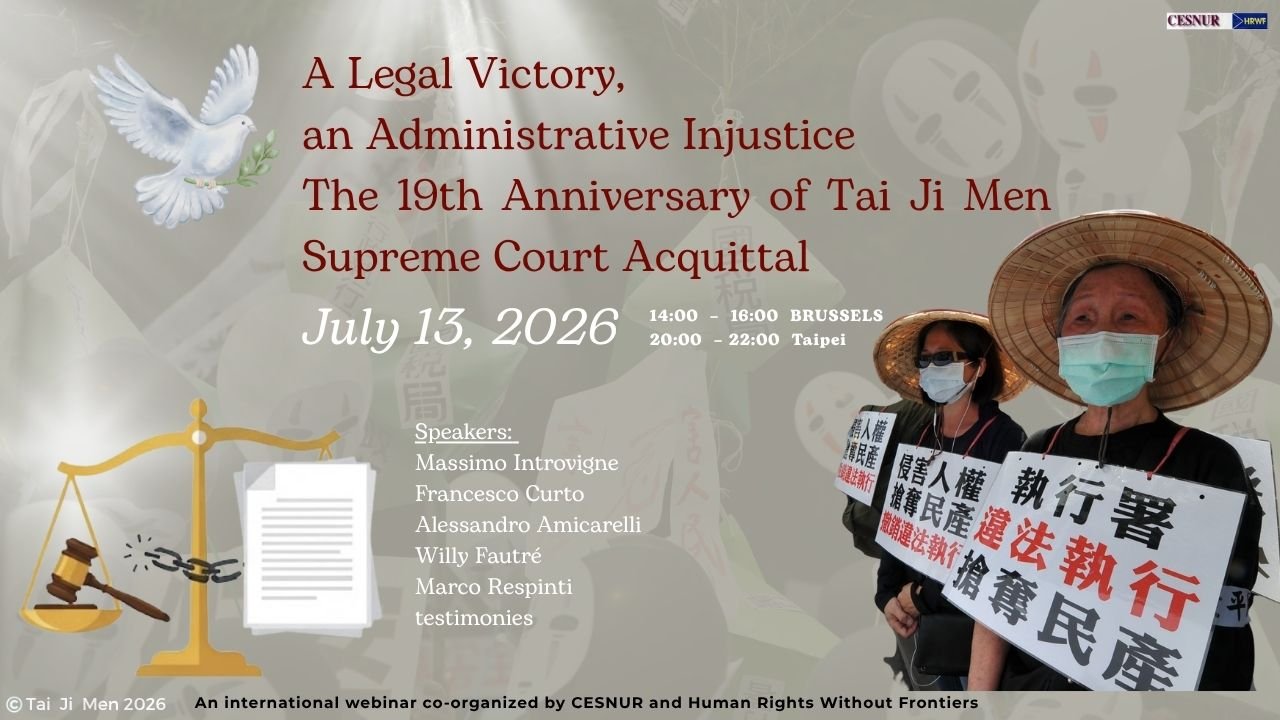
The webinar “A Legal Victory, an Administrative Injustice,” coorganized by CESNUR and Human Rights Without Frontiers on July 13, 2026, the 19th anniversary of Tai Ji Men’s victory at Taiwan’s Supreme Court on July 13, 2007, opened with Massimo Introvigne, Italian sociologist and managing director of CESNUR. He recalled the 2007 Supreme Court acquittal that should have ended the Tai Ji Men case and instead became the beginning of a new chapter of bureaucratic resistance. Introvigne drew a parallel with the Yenish children of Switzerland, who were forcibly separated from their families and placed in foster care due to prejudices about their nomadic community’s lifestyle. Their families endured decades of administrative defiance even after courts had ruled in their favor. Just as it happened in Taiwan for Tai Ji Men, applying in favor of the Yenish laws of transitional justice encountered technical obstacles.
Introvigne reflected on how democracies can generate systemic injustices when bureaucracies refuse to internalize judicial decisions, and how transitional justice must address structural continuities rather than rely on rigid chronological boundaries. His introduction set the tone for a webinar devoted to conscience, institutional responsibility, and the unfinished work of justice.

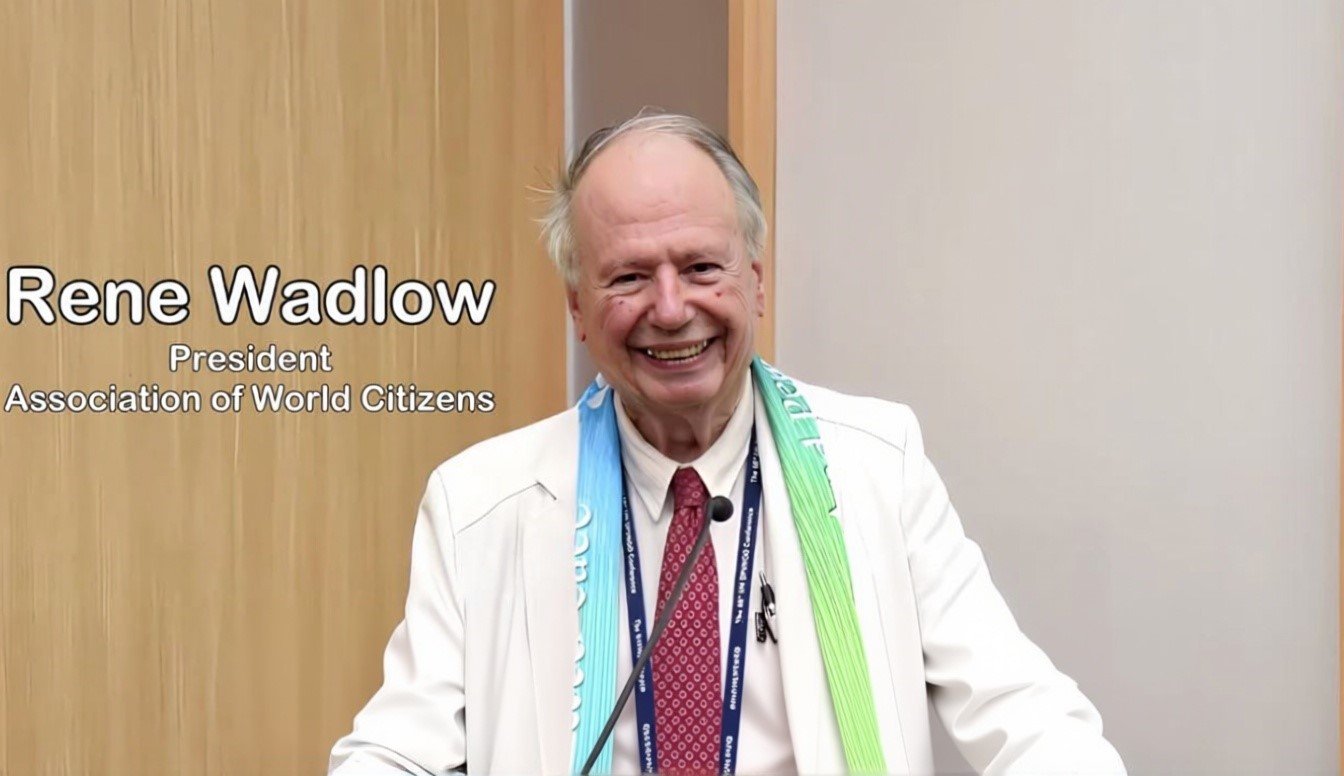
Introvigne then presented a video message by René Wadlow, President of the Association of World Citizens. Wadlow recalled his participation as an observer in Taiwan’s international human-rights reviews and follow-ups and noted that many systemic problems identified more than a decade ago remain unresolved. He described the Tai Ji Men case as a mirror reflecting the challenges of tax justice and administrative remedies in Taiwan. He emphasized that taxation is foundational to a state, yet illegitimate tax collection harms fundamental rights. The persistence of a fabricated 1992 tax bill against Tai Ji Men, despite the Supreme Court’s definitive ruling, was described as a violation of equality, administrative integrity, and constitutional obligations. Wadlow urged Taiwan to rectify the error, fulfill its commitments under the Two United Nations Covenants it has incorporated into its domestic law, and bring the thirty-year injustice to an end.
The first session featured two legal experts. Francesco Curto, an attorney from Torino and co-founder of Fedinsieme (“Faiths Together”), revisited the events that began in 1996, when Tai Ji Men was targeted for political reasons and labeled as a “xie jiao.” He recalled the raids, detentions, and media stigmatization that lasted until the Supreme Court’s 2007 ruling, which confirmed that the red envelopes given by dizi (disciples) to their Shifu (Grand Master) were gifts, rather than tuition fees for a (non-existent) cram school, as a rogue prosecutor and tax authorities had argued, and that Tai Ji Men had committed no crime.
Curto described the subsequent administrative injustice that allowed the 1992 tax bill to stand, resulting in the confiscation of Tai Ji Men’s sacred land in Miaoli in 2020. He highlighted Tai Ji Men’s response: peaceful civic mobilization, international advocacy, and a commitment to conscience. For Curto, Tai Ji Men’s work is rooted in moral education, and the case raises questions about how societies respect difference and uphold freedom.

Alessandro Amicarelli, a human rights attorney in London and President of the European Federation for Freedom of Belief, examined the constitutional implications of the case. He emphasized that a Supreme Court ruling is binding on all administrative bodies and that failure to implement it undermines the rule of law. He noted that the persistence of the 1992 bill violates constitutional guarantees of equality, legal remedies, and proportionality, as well as the Administrative Procedure Act and the Tax Collection Act.
Amicarelli connected the case to broader patterns of bureaucratic resistance, recalling Introvigne’s comparison with Switzerland. He argued that accountability is essential to restore legality and prevent future abuses. He cited Article 24 of Taiwan’s Constitution, which requires disciplinary and legal action against officials who violate rights. He called for investigations, reforms, restitution, and full redress, so that Taiwan may complete the work that began on July 13, 2007.
The second session was introduced by Willy Fautré, cofounder and director of Human Rights Without Frontiers. Fautré reflected on how media dynamics can overshadow the presumption of innocence. Sensational accusations often dominate headlines, while acquittals receive minimal attention. Fautré described the lasting damage caused by unverified reports, noting that Tai Ji Men suffered from hundreds of defamatory articles that shaped public perception long before courts ruled. He warned that justice requires restoring dignity and reputation, not only issuing legal verdicts. He described the periodic webinars as a memorial to truth and memory, ensuring that exoneration is not forgotten.
Fautré then presented the video “Bring the Truth to Light,” a concise summary of the Tai Ji Men case. The video explained how the 1996 prosecution relied on fabricated evidence and how six years of tax bills were issued without any genuine investigation. It recalled the Supreme Court’s 2007 ruling, the Control Yuan’s findings of major violations, and the National Taxation Bureau’s (NTB) eventual correction of bills for five tax years (all except 1992) to zero.
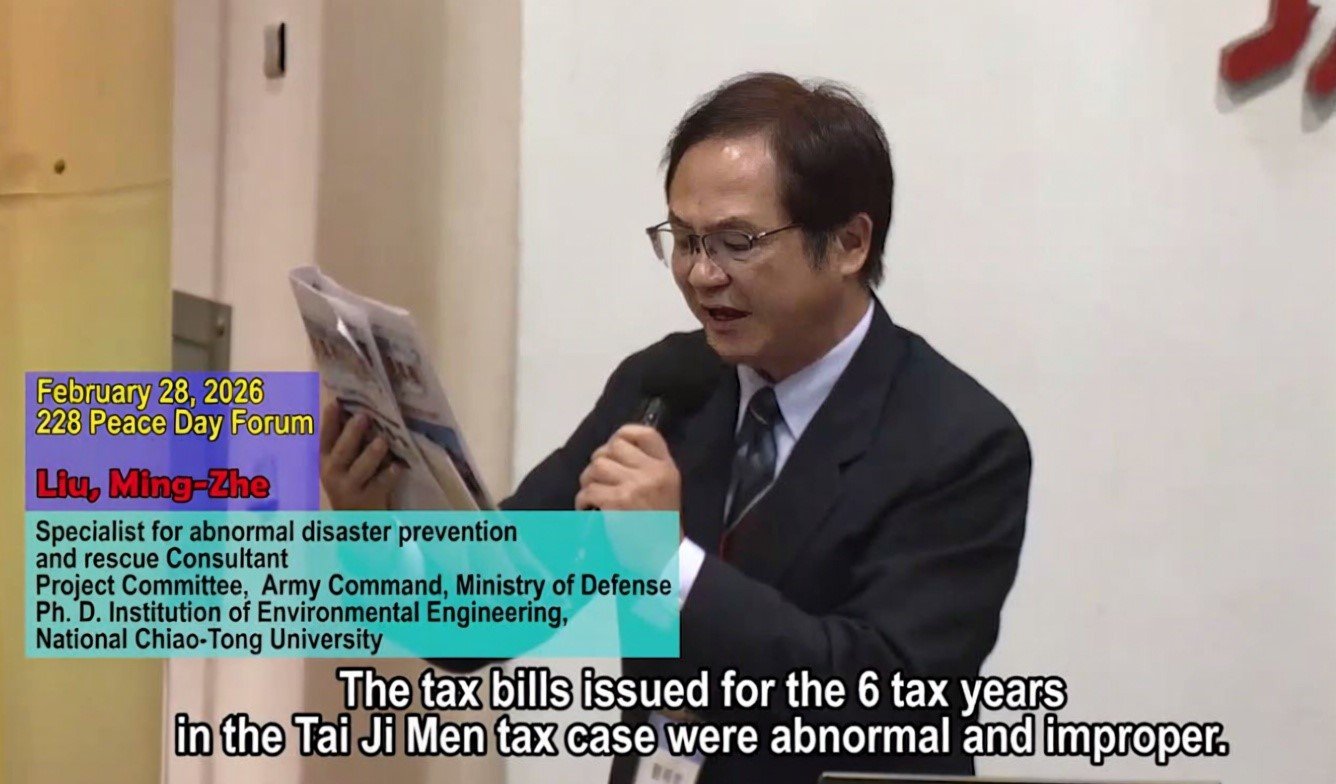
The video also described the inconsistency of maintaining the 1992 bill and the constitutional problems it raises. The video also recounted the 2010 public hearing, the Ministry of Finance’s instructions to revoke the bill, and the NTB’s refusal to comply. It concluded with a call for the authorities to resolve the matter and restore justice.
Five Tai Ji Men dizi then offered their testimonies. Tim Gau, a legal consultant, described how qigong practice with Tai Ji Men transformed his family life and health. He recalled the relief he felt when the Supreme Court ruled in 2007 and the sorrow he felt for those misled by false media reports.
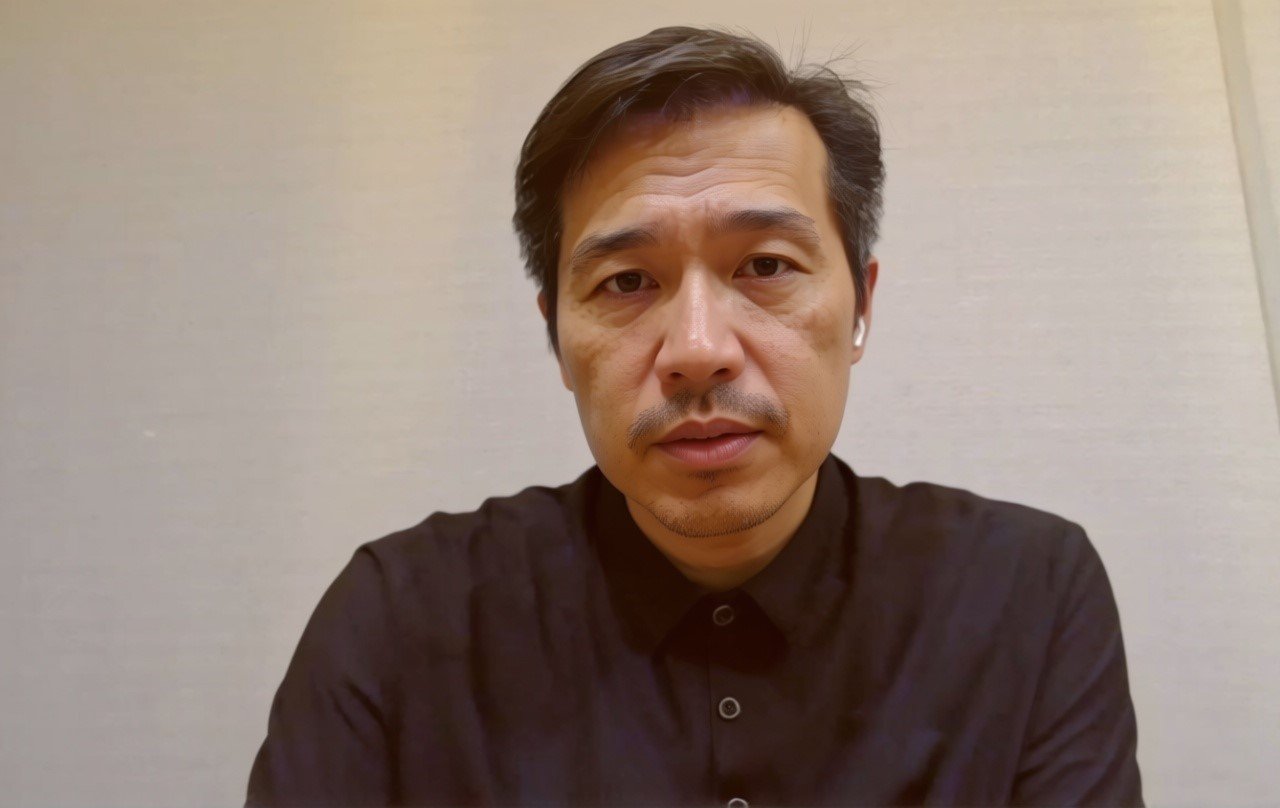
He explained, from a legal perspective, why the 1992 bill can and should be revoked, citing precedents where administrative decisions were corrected after new facts emerged. He urged the government to correct the error and return the confiscated land.
Joyce Huang, a graduate student preparing to study management analytics in Canada, reflected on global uncertainty and the importance of conscience in guiding technology. She described her participation in Tai Ji Men’s cultural goodwill missions, including visits to Caribbean nations marked by historical suffering. She connected these experiences to the Tai Ji Men case, which has lasted longer than her lifetime.

She recalled witnessing the forced auction of sacred land and standing outside the Presidential Office in protest. She described how Tai Ji Men teaches transformation through compassion, including through performances and dances, and she called on Taiwan to confront past mistakes and pursue meaningful reform.
Arthur Hsieh, a product engineer, focused on the meaning of the red envelopes. He explained how Taiwanese law treats gifts as tax-exempt and how property rights and religious freedom protect voluntary offerings. He argued that redefining such gifts as taxable income constitutes a violation of human rights. He warned that once such a precedent exists, it can be replicated against other communities.

He described the structural problems of Taiwan’s tax-reward system, which incites bureaucrats to enforce tax bills quickly to pocket the corresponding bonuses. He recounted Tai Ji Men’s long path through courts, investigations, peaceful protests, and international advocacy. He emphasized that speaking the truth is a citizen’s most powerful tool.
Ella Lee, a career counselor and NGO representative in Taiwan’s International Review of the Two Covenants, described her transformation through qigong practice and her participation in global missions promoting love and peace. She contrasted the respect Tai Ji Men receives abroad with the injustice it faces at home. She recalled the 2020 confiscation of sacred land and described how state violence affects ordinary citizens, citing cases of disproportionate travel bans. She noted that workplace bullying laws highlight a double standard when the state itself engages in abusive practices. She urged the government to revoke the illegal tax bills and restore human rights protections.

Chiu Yi Chan, an environmental engineering technician and former Army Sergeant Major, described how qigong practice transformed his emotional stability, health, and family relationships, saving him from compulsive spending and debt. He recalled the damage caused by hundreds of defamatory media reports after the Tai Ji Men case started in 1996 and the years he spent explaining the truth to relatives and colleagues. He described his participation in long pilgrimages and a 1,145-kilometer walk around Taiwan to raise awareness about tax and legal reform and pray for the country. He explained how the NTB relied on falsified data, failed to produce evidence of the alleged cram school operations, and issued a fabricated tax bill. He cited international concern, including statements by well-known sociologist Eileen Barker, and called on the government to resolve the case for the sake of future generations.
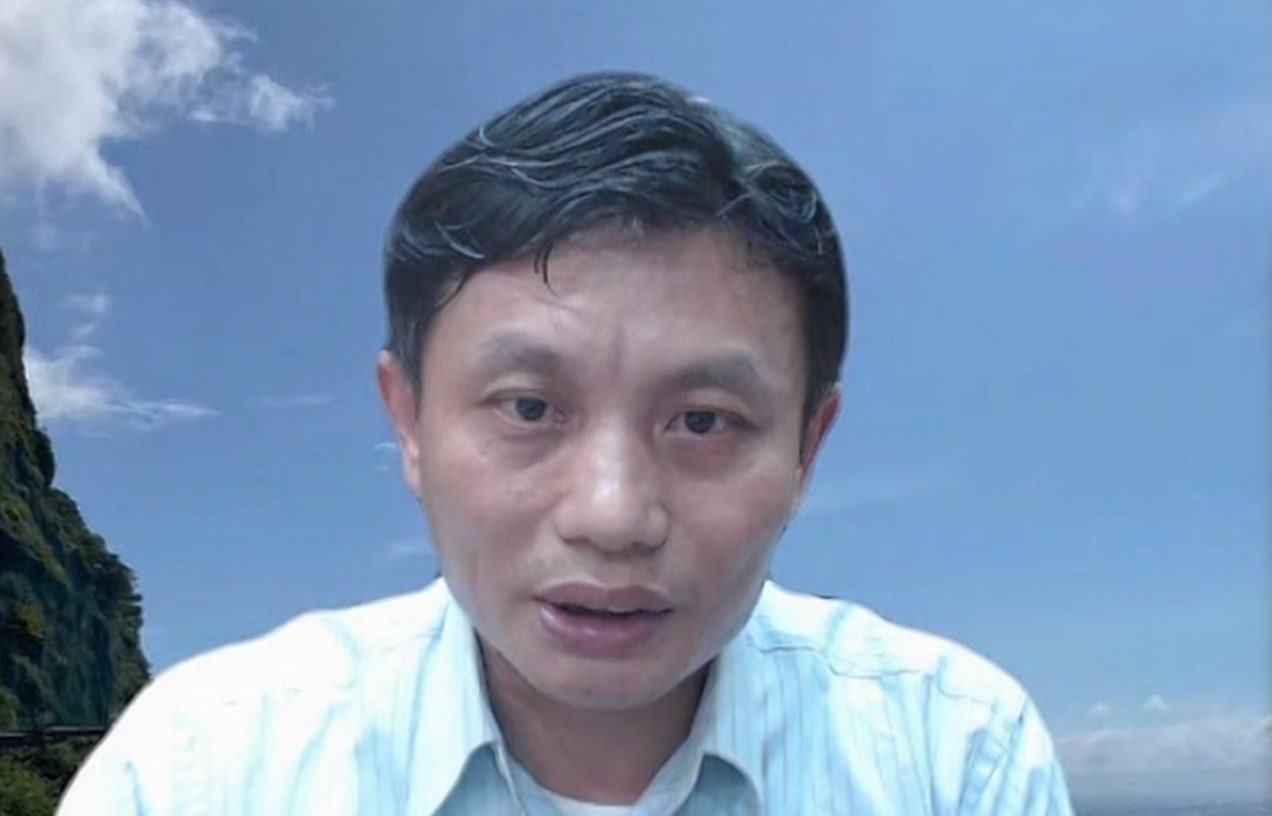
Marco Respinti, director-in-charge of Bitter Winter, offered the final remarks. He recalled the 2007 Supreme Court ruling and the persistence of administrative injustice. He concluded with the well-known story of Lady Godiva, who confronted fiscal tyranny through personal sacrifice. Respinti described how her courage restored justice in Coventry and suggested that Tai Ji Men’s perseverance carries the same moral resonance. He expressed the hope that those responsible for the injustice will one day awaken and restore what was taken.
The webinar concluded with a video on the Fourth World Conference for Religious Dialogue and Cooperation, held last month in Skopje, North Macedonia. A session of the conference was devoted to Tai Ji Men, where scholars examined the case through the lenses of conscience, institutional violence, political instrumentalization, and modern forms of religious conflict. Speakers discussed how administrative inertia can persist even after judicial clarity and how transitional justice must address structural legacies. The conference highlighted Tai Ji Men’s cultural work in 123 countries and its emphasis on conscience as a foundation for peace. The Skopje session showed how the case illuminates broader questions about governance, human rights, and the role of spiritual communities in promoting ethical reflection.
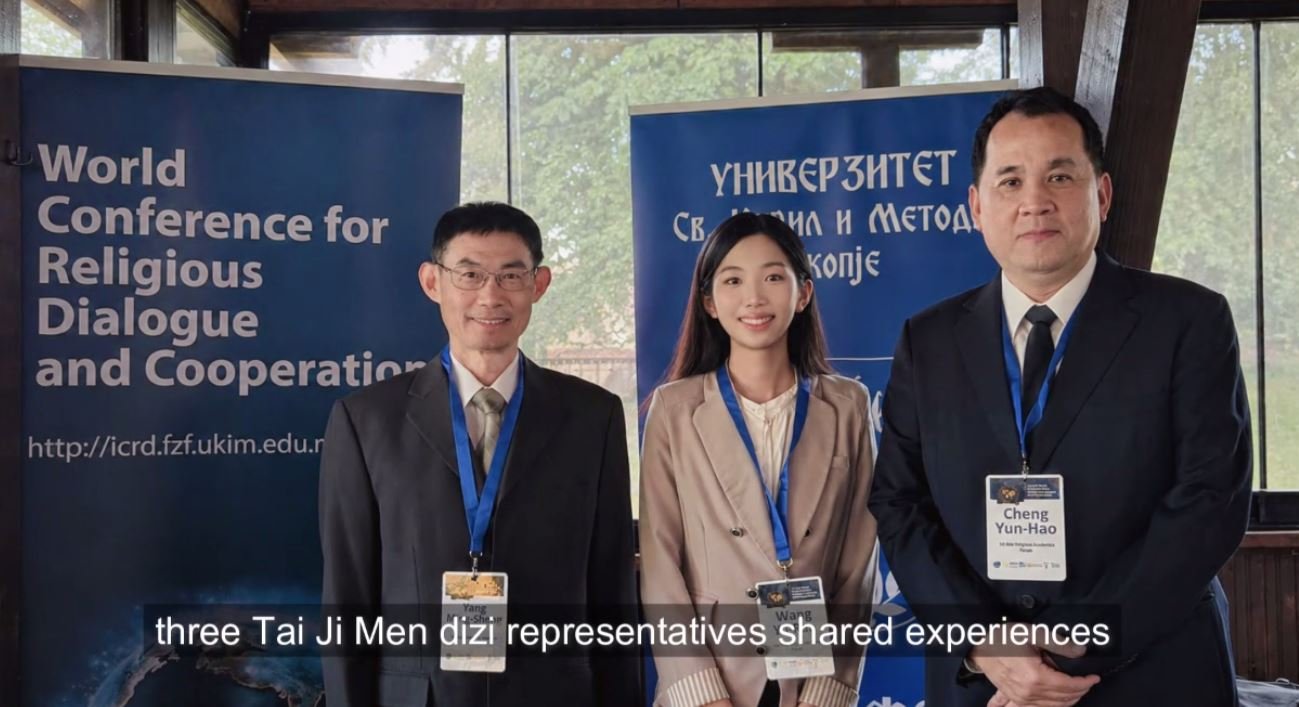
The webinar offered a rich tapestry of legal analysis, personal testimony, and cultural reflection. It reaffirmed that the 2007 ruling was a legal victory, yet justice remains incomplete. The voices gathered called for conscience, accountability, and the courage to correct past mistakes, so that the long journey of Tai Ji Men may finally reach its rightful conclusion.