From failed legislation against forced conversion to ongoing Christian marriage law reforms, Pakistan faces growing questions about protecting religious minorities.
by Sajid Sandhu
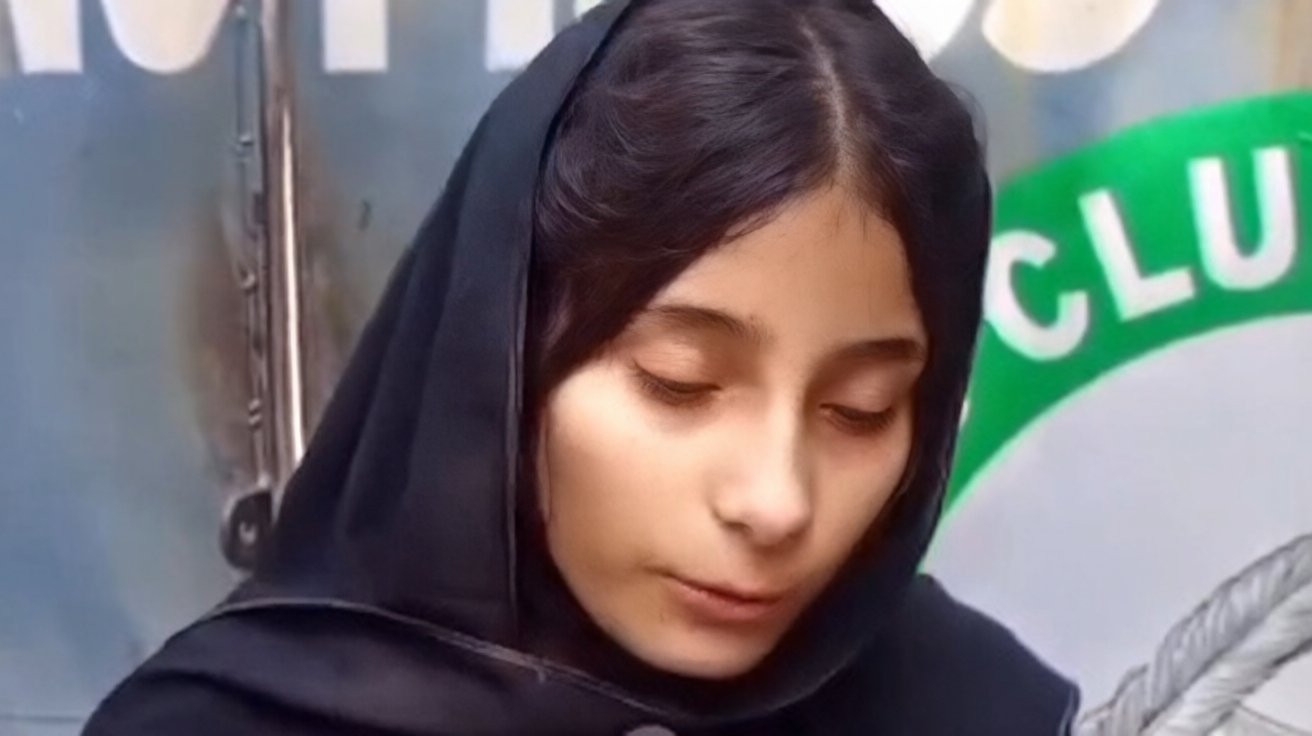
The reported abduction and alleged forced conversion of Bindiya Kumari, a 14-year-old Hindu girl from Sibi, Balochistan, has once again highlighted the vulnerability of religious minority girls in Pakistan. According to media reports, Bindiya was allegedly abducted in October 2026 and taken to Sindh, where she reportedly converted to Islam and married a Muslim man. Her family disputes the circumstances and maintains that she is a minor. The opposing party reportedly contests her age and claims the conversion and marriage were voluntary. These competing claims require an independent judicial determination. Nevertheless, the case raises serious questions about child protection, religious freedom, and enforcing constitutional guarantees.
Pakistan’s Constitution provides important safeguards. Article 20 guarantees freedom of religion, Article 25 establishes equality before the law, Article 35 addresses protection of marriage and family, and Article 36 directs the state to safeguard the legitimate rights and interests of minorities. Pakistan is also a signatory to international human rights instruments, including the International Covenant on Civil and Political Rights and the Convention on the Rights of the Child. Yet constitutional guarantees mean little when vulnerable citizens struggle to obtain protection. Religious freedom includes the right to voluntarily adopt or change one’s religion. It cannot justify coercion, abduction, exploitation, or child marriage.
In November 2016, the Sindh Provincial Assembly unanimously passed the Criminal Law (Protection of Minorities) Bill, introduced by minority legislator Nand Kumar Goklani. The legislation sought to prevent forced religious conversions, particularly involving minors. The Pakistan People’s Party (PPP), which governed Sindh, initially supported the bill. However, after religious organizations objected to restrictions on conversions involving minors, the provincial government reconsidered its position. In January 2017, the governor returned the legislation for reconsideration, preventing it from becoming law.
In October 2019, a revised proposal was introduced, but PPP lawmakers voted against advancing it. Provincial officials argued that further consultation was necessary. A similar setback occurred nationally in October 2021 when a parliamentary committee rejected proposed legislation against forced conversion following religious and constitutional objections. These developments illustrate Pakistan’s continuing difficulty in establishing specific safeguards against coercive religious conversion. The absence of an effective legislative framework remains particularly concerning when allegations involve children.

Alongside concerns about forced conversion, Pakistan is witnessing renewed debate over the modernization of Christian personal laws. In September 2026, the Sindh Assembly referred the proposed Christian Family Laws Bill 2026, introduced by Deputy Speaker Anthony Naveed, to its Standing Committee on Minorities Affairs. The proposal seeks to modernize laws governing Christian marriage and family matters. However, Christian clergy from several denominations have called for broader consultation, denominational equality, and protection of church autonomy.
In Punjab, the Assembly’s Standing Committee on Human Rights and Minority Affairs approved the proposed Christian Marriage Bill 2026 on September 30. The legislation proposes a minimum marriage age of eighteen for both men and women, mandatory marriage registration, and modernization of procedures rooted in the Christian Marriage Act of 1872. Although these reforms could improve legal protections and documentation, Catholic and Protestant leaders have raised concerns about insufficient consultation and the need to preserve Christian theological traditions.
Many churches understand Christian marriage as a sacred covenant, not merely a civil contract. As Jesus Christ teaches in Matthew 19:6, what God has joined together should not be separated. Legislation should therefore distinguish between the state’s responsibility to protect civil rights and the church’s authority over religious doctrine and sacramental practice. Modernization should not compromise the distinct religious identity of Christian communities.
The debates over forced conversion and Christian marriage laws concern different legal issues but share a common constitutional foundation: protecting religious freedom, human dignity, and equal citizenship. Preventing coercive conversion must not restrict an adult’s genuine freedom to change religion. Similarly, respecting religious traditions must not prevent the state from protecting women and children against exploitation or abuse. Effective legislation requires consultation with religious leaders, legal experts, parliamentarians, women’s representatives, and civil society organizations. Pakistan’s religious diversity should be recognized as a national strength, not a justification for unequal treatment.
Through the International Religious Freedom–Peace Builders Forum Pakistan & South Asia, we advocate stronger cooperation among religious leaders, policymakers, parliamentarians, academics, and civil society to translate constitutional protections into practical safeguards. Bindiya Kumari’s case requires an impartial investigation, reliable age verification, protection from intimidation, and accountability if wrongdoing is established. Meanwhile, the legislative debates in Sindh and Punjab should encourage policymakers to develop laws that protect vulnerable individuals while respecting the religious identity and autonomy of minority communities. The repeated failure of forced-conversion legislation demonstrates that political declarations alone are insufficient. Meaningful reform requires institutional commitment and consistent enforcement.
Pakistan’s commitment to religious freedom will ultimately be measured by its treatment of the most vulnerable. Hindu girls facing alleged coercion, Christian families seeking recognition of their religious marriages, and other minority communities requesting legal protection are not seeking special privileges. They are seeking rights guaranteed by the Constitution. The government, judiciary, parliamentarians, and religious leadership must work together to ensure that constitutional protections become everyday realities.
Bindiya Kumari deserves safety, due process, and an independent determination of the facts. Christian communities deserve meaningful participation in legislation affecting their religious and family lives. Religious freedom cannot remain a constitutional promise alone. Its true measure is whether every Pakistani, regardless of faith, can live with dignity, security, and equal protection under the law.

Sajid Sandhu, a Christian, is a development practitioner, interfaith leader, and advocate for religious freedom and social justice. He serves as Chairperson of the International Religious Freedom–Peace Builders Forum Pakistan & South Asia, advancing interfaith peace, equal citizenship, and human dignity.