In the 1920s, intellectuals in Taichung defended identity and rights with words alone. Today, a peaceful movement for tax and legal reform does the same.
by Massimo Introvigne*
* Concluding remarks at the session “New Perspectives on the Tai Ji Men Case” of the CESNUR 2026 international conference, Taichung, Taiwan, October 12, 2026.
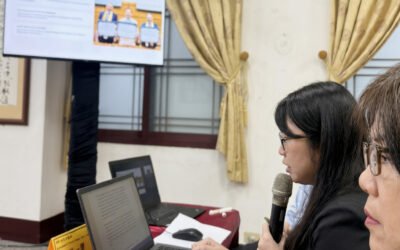
As I conclude this session, my first duty is to thank the speakers for papers that, from different perspectives, have shed new light on the Tai Ji Men case. Allow me now to use my few minutes to bring our discussion back to the place where we are speaking. We are in Taichung, and Taichung has a special place in the history of Taiwan’s struggle for its rights and its culture.
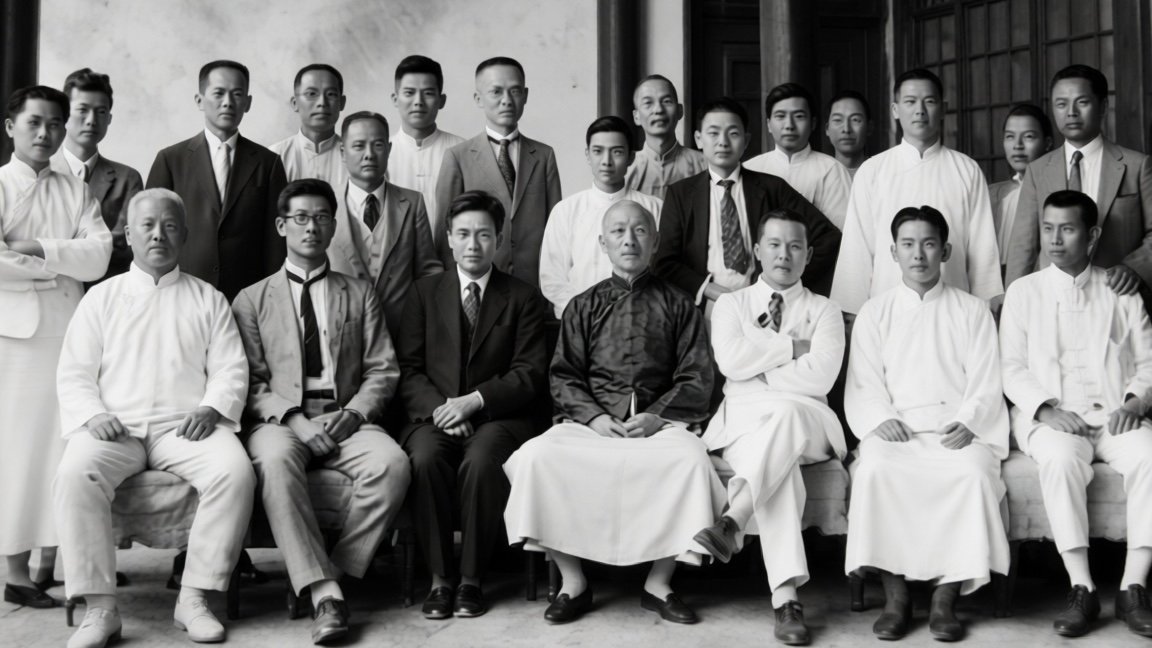
On October 17, 1921, a group of Taiwanese intellectuals founded the Taiwanese Cultural Association in Taipei. Its president was Lin Hsien-tang, of the prominent Lin family of Wufeng, here in the Taichung area, and its driving spirit was the physician Chiang Wei-shui. More than half of its early leaders came from central Taiwan. Taiwan was then a Japanese colony, and its people were subjects without citizens’ rights. The colonial authorities regarded their language and traditions as something to be gradually replaced.
The association chose a peaceful path. Its members did not take up arms. They organized lectures in towns and villages across the island, opened reading rooms, held summer schools, and supported newspapers. They even created a traveling film troupe that brought movies, with commentary in the local language, to rural audiences who had never seen a cinema. They also supported the petition movement that, for fourteen years, asked the Japanese Imperial Diet to establish a parliament elected by Taiwan’s people. The colonial government answered with surveillance, arrests, and trials. The association members responded with more lectures, more newspapers, and more petitions.
In 1927, the association split. New leadership shifted it toward class struggle, and the headquarters moved to Taichung. The moderate leaders, including Chiang Wei-shui, continued their peaceful campaign through new organizations. At the same time, the association later fell under Communist influence and colonial repression, which dissolved it in the early 1930s. Yet the cultural seeds planted in the 1920s survived. Taichung is still called Taiwan’s “Cultural City,” a name historians trace to the association and to the bookstores, literary circles, and debates that flourished here in those years. That movement taught generations of Taiwanese that culture is a form of dignity, that identity can be defended with words, and that rights can be claimed peacefully, even against a powerful state. Taiwan’s democracy, which we admire today, has some of its deepest roots in those years.
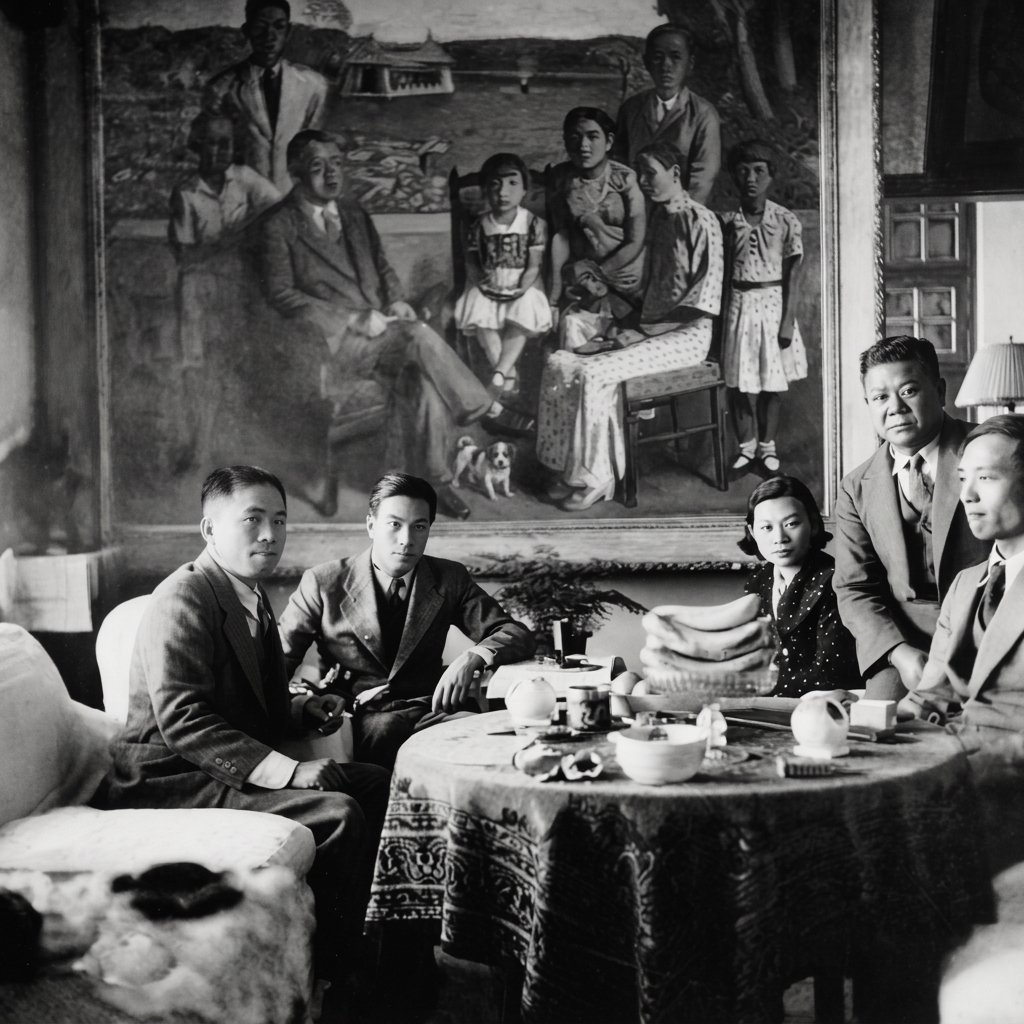
I mention this history because I see a family resemblance between the Taiwanese Cultural Association’s peaceful campaign in the 1920s and the movement we discussed in this session.
For almost thirty years, Tai Ji Men has been confronted with a case that started with an indictment in 1996 and continued with a Supreme Court acquittal in 2007. It has not ended, because tax bills based on the same discredited accusations survived the acquittal. In 2020, one of these bills led to the auction and confiscation of land that Tai Ji Men had destined to become a center for self-cultivation. Many in this room have studied the case and know its details.
What I would like to emphasize is how Tai Ji Men has reacted. Like the early founders of the Taiwanese Cultural Association a century ago, the dizi of Tai Ji Men have never chosen violence or insults. They have organized peaceful demonstrations, conferences, and petitions. They have written to officials and lawmakers, and they have explained their case patiently to the media and to the international community. They have also transformed a personal injustice into a cause for all Taiwanese. Their campaign has contributed to the public debate on taxpayers’ rights and on the reform of tax laws and procedures that, if left unchanged, could make any citizen a victim of arbitrary decisions. The fight of Tai Ji Men is a fight for themselves, and also for the rule of law in Taiwan.
There is a second resemblance. The Taiwanese Cultural Association believed that the culture of Taiwan deserved to be known and respected. Tai Ji Men has carried the same conviction beyond the island’s shores. Through its cultural tours, its performers have brought their drums, their martial arts, their music, and their message of peace and love from Taiwan to more than 120 countries. They have been received by presidents and parliaments, by mayors and religious leaders, by schools and ordinary citizens. In many of these countries, Tai Ji Men was the first, and sometimes the only, face of Taiwanese culture that the local public ever encountered. Few organizations have done more to make Taiwan visible and loved in the world, and they have done it at their own expense, as ambassadors no government appointed.
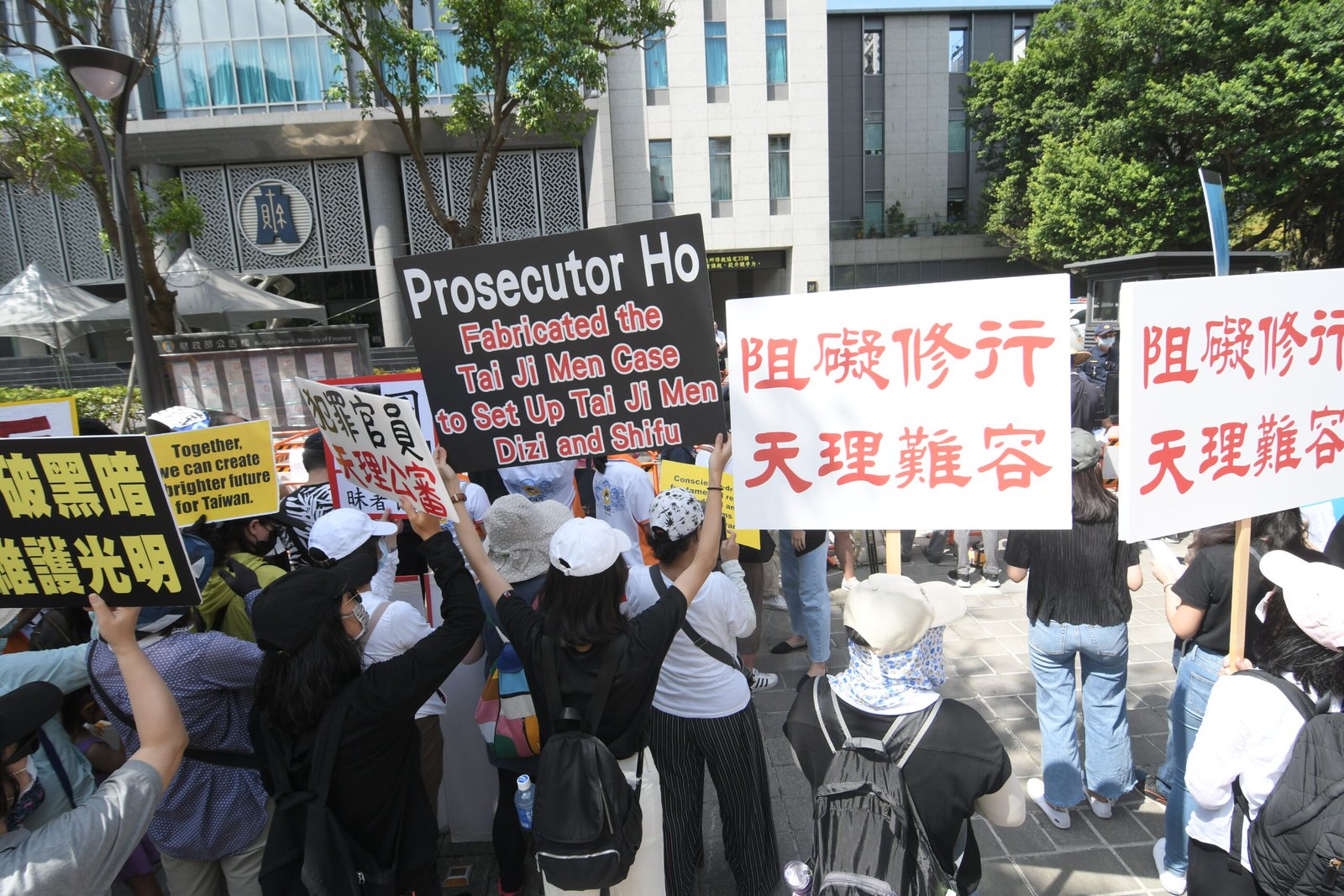
And here lies the paradox. The same Taiwan that Tai Ji Men has represented with dignity in more than 120 countries still treats Tai Ji Men, at home, with the weapons of an old case built on prosecutorial abuse and media sensationalism. The same state that celebrates the Taiwanese Cultural Association in its museums has not yet found the courage to correct an injustice against a group that is following, today, the same peaceful path.
A century ago, the Taiwanese who gathered in the Cultural Association asked to be treated as citizens and to have their culture respected. Taiwan eventually answered that request by building one of the most dynamic democracies in Asia. Elections are one measure of a democracy-but the ability to recognize and repair its own mistakes is another, equally important.
Taiwan’s commitment to its cultural values and to democracy is sincere, and we who come from abroad admire it. Precisely for this reason, I believe that this commitment requires that the Tai Ji Men case be solved, fairly and without further delay. The memory of the Taiwanese Cultural Association, which made Taichung the “Cultural City,” asks no less.

Massimo Introvigne (born June 14, 1955 in Rome) is an Italian sociologist of religions. He is the founder and managing director of the Center for Studies on New Religions (CESNUR), an international network of scholars who study new religious movements. Introvigne is the author of some 70 books and more than 100 articles in the field of sociology of religion. He was the main author of the Enciclopedia delle religioni in Italia (Encyclopedia of Religions in Italy). He is a member of the editorial board for the Interdisciplinary Journal of Research on Religion and of the executive board of University of Pennsylvania Press’ Nova Religio. From January 5 to December 31, 2011, he has served as the “Representative on combating racism, xenophobia and discrimination, with a special focus on discrimination against Christians and members of other religions” of the Organization for Security and Co-operation in Europe (OSCE). From 2012 to 2015 he served as chairperson of the Observatory of Religious Liberty, instituted by the Italian Ministry of Foreign Affairs in order to monitor problems of religious liberty on a worldwide scale.