The sudden rise of the Bianchi in 1399 offered Europe an unexpected season of reconciliation, devotion, and civic hope—and a lesson for Taiwan
by Massimo Introvigne*
*Introduction to the webinar “Peace, Justice, and the Tai Ji Men Case,” co-organized by CESNUR and Human Rights Without Frontiers on September 20, 2026, on the eve of the United Nations International Day of Peace.
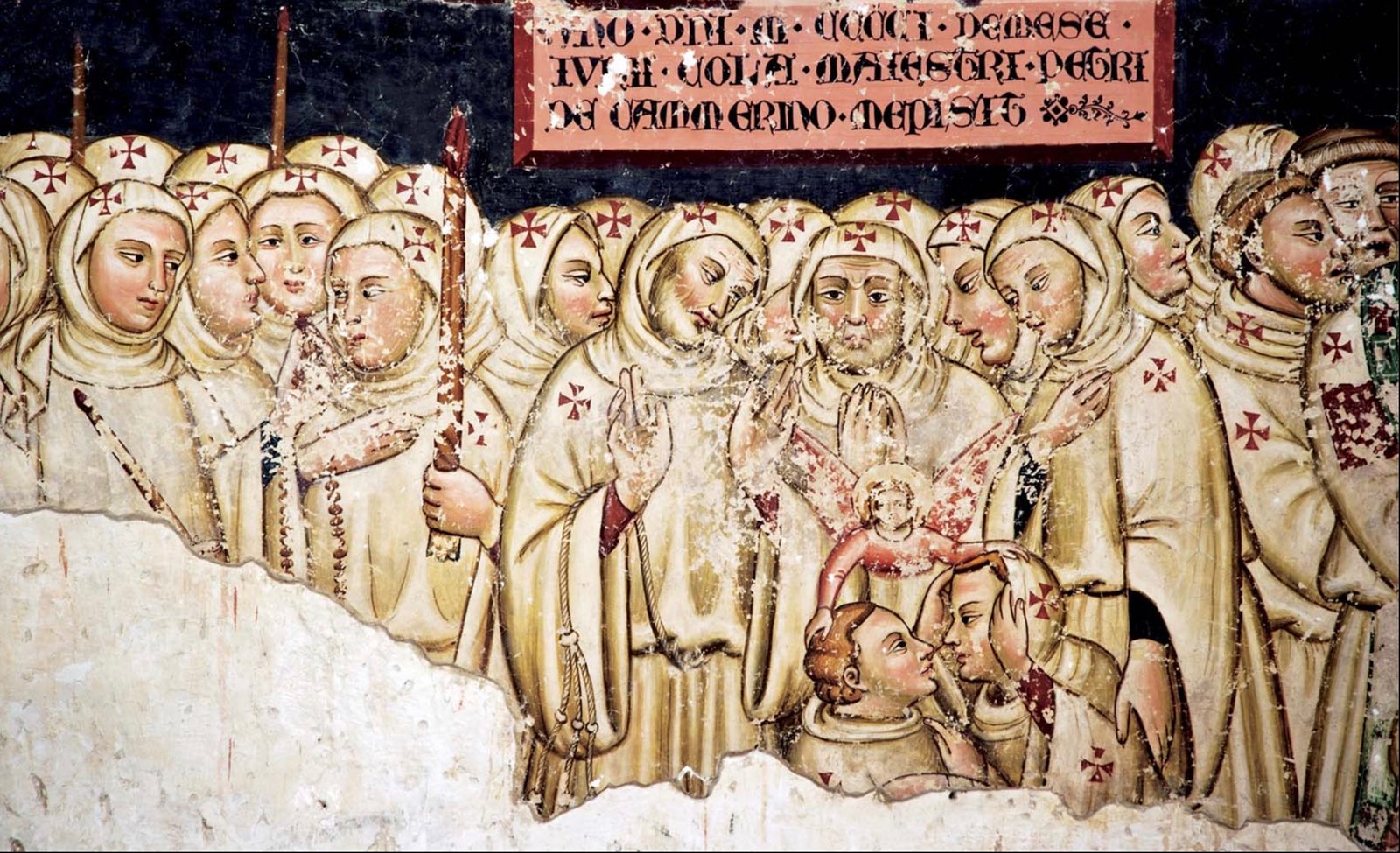
In the summer of 1399, Italy witnessed a phenomenon that contemporaries described as astonishing. Entire communities began walking from town to town dressed in white, praying, reconciling, and asking rulers to reduce burdens that had become intolerable. Their appearance was sudden, their message simple, and their impact immediate. They were called the Bianchi (“Whites”), and their movement emerged at a moment when Italy was exhausted by war, factional violence, and heavy taxation.
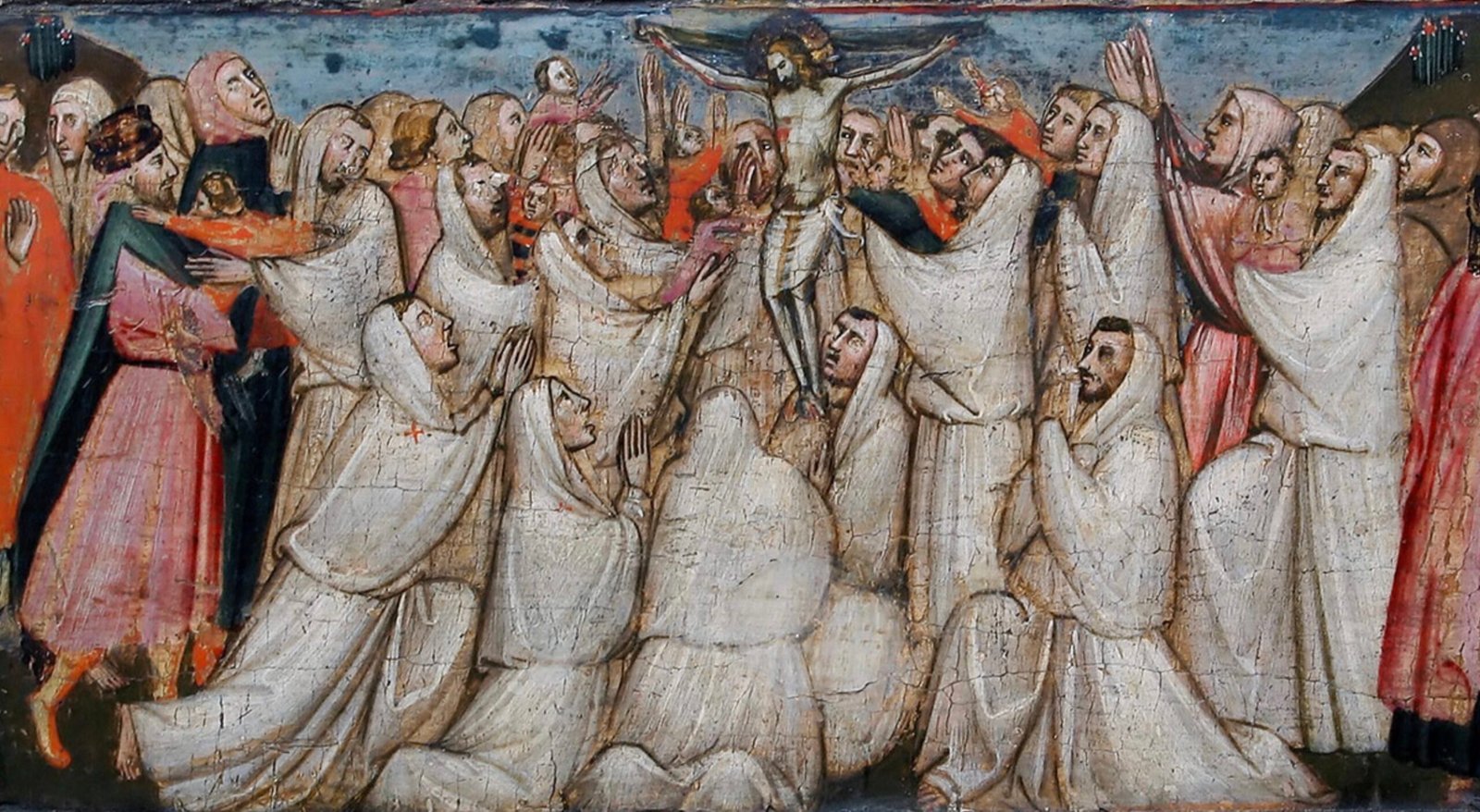
Chroniclers reported that the countryside and the cities were shaken by conflict, and outbreaks of plague added further distress. In this atmosphere, the story of a peasant who met a mysterious pilgrim and a woman dressed in white spread rapidly. The woman revealed herself as the Virgin Mary and asked for nine days of prayer, repentance, and peace. The tale spread rapidly, and thousands believed it.
Groups of men, women, and children began walking in white robes marked with a red cross. They prayed, asked communities to forgive past offenses, and encouraged rulers to reduce taxes and release prisoners. They insisted that those who joined them should reconcile with their enemies. Their processions grew larger as they moved from city to city. Some counted hundreds of participants, others thousands. In several places, the entire population joined them. Bishops or governments did not organize them. They were a spontaneous movement of ordinary people who believed that peace and justice were possible if citizens acted together.
Their message included a call for relief from excessive taxation. In many Italian cities, fiscal pressure had become a source of unrest. The Bianchi asked authorities to moderate taxes and listen to the population’s grievances. Some rulers resisted them, fearing that such a large popular movement might challenge political control. Yet the Bianchi continued their pilgrimages, and their persistence eventually opened doors.
They reached Rome, met the Pope, and presented their concerns.
Several of their requests were accepted, and for a brief period Italy saw reduced hostilities and moderated taxes. Chroniclers noted that weapons were set aside, exiles returned home, and families reconciled. The movement did not last long, but its memory endured. Writers of the time recalled that Italy had been united in a single desire for peace and justice, and that ordinary people had achieved what armies and rulers had failed to obtain.
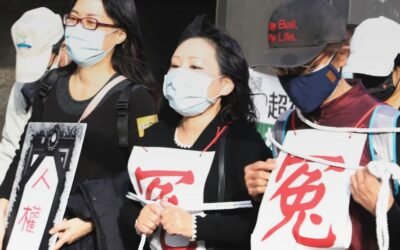
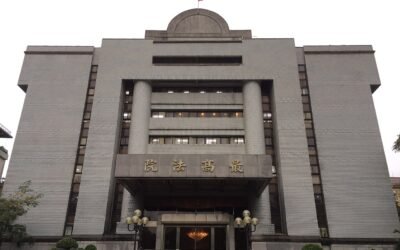
This experience offers a valuable perspective for our own time. In Taiwan, a peaceful movement has emerged calling for tax and legal reform and a just solution to the Tai Ji Men case. Citizens, scholars, and spiritual leaders have asked for a system that protects human dignity and prevents abuses. They have insisted that tax justice is part of social harmony and that legal procedures should respect fairness and truth. Their actions have been peaceful, public, and persistent. They have organized cultural events, petitions, and dialogues with institutions. Their message is that justice and peace are inseparable, and that spirituality can inspire civic responsibility.
The Tai Ji Men case has become a symbol of these concerns. For more than twenty years, its members have asked for the correction of administrative and fiscal decisions that they regard as unjust. Their movement has remained peaceful and has emphasized conscience, compassion, and dialogue. They have explained that tax justice is essential for social trust and that legal reform strengthens democratic life. Their commitment has attracted international attention, including scholars and human rights advocates who have examined the case in detail. Numerous reports published in “Bitter Winter” and elsewhere have documented the controversy’s history and its broader implications for Taiwan’s legal and fiscal systems.
The International Peace Day invites reflection on the connection between peace, justice, and spirituality. The Bianchi believed that reconciliation among citizens and fairness in public life were part of a spiritual journey. Their white robes expressed purity of intention, and their processions created a sense of shared responsibility. They showed that peaceful protest can open paths to reform and that ordinary people can influence political decisions when they act with conviction. Their movement was short-lived, yet it demonstrated that peace is not only the absence of war. It is also the presence of justice, including tax justice, compassion, and mutual respect.
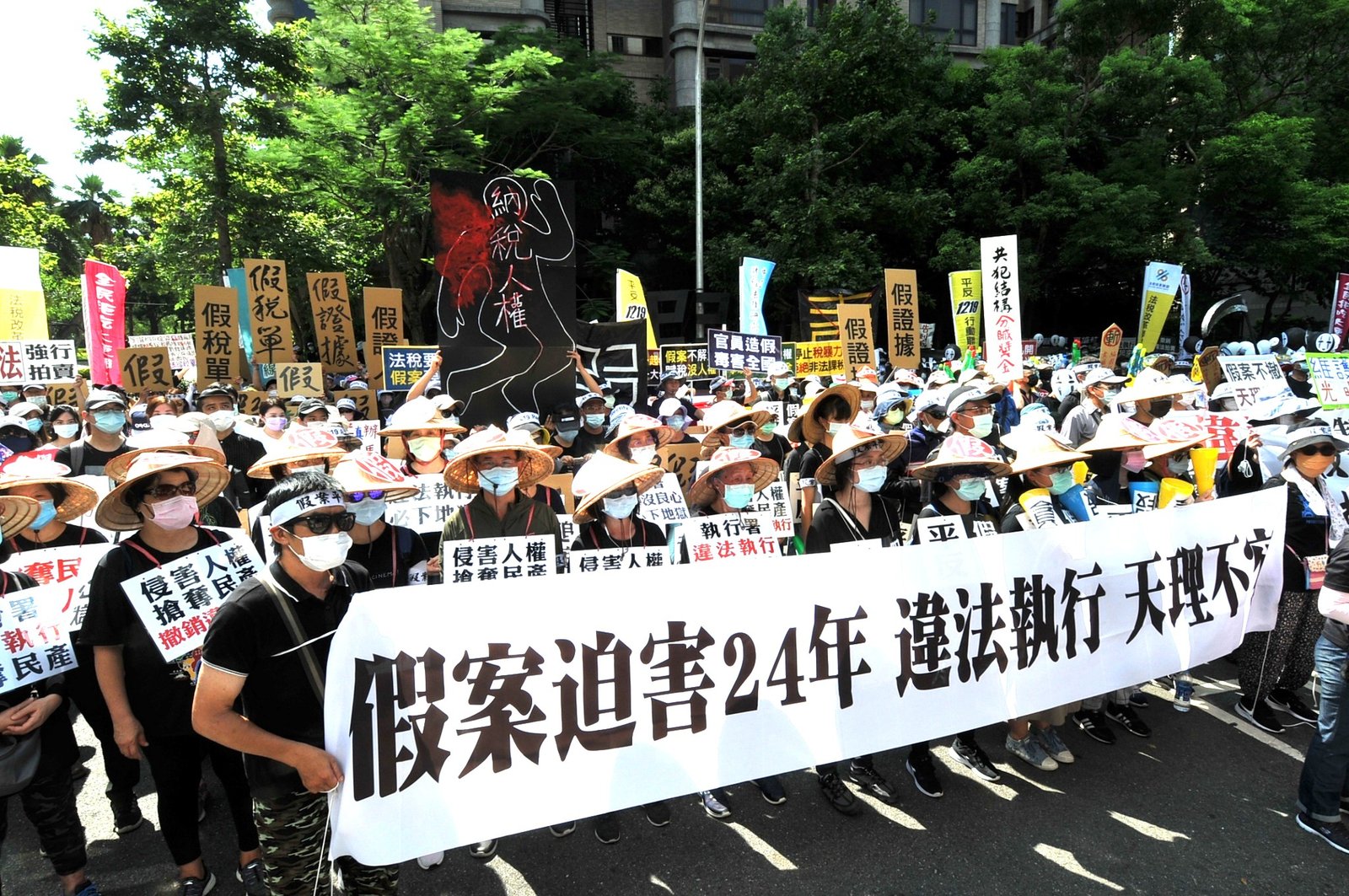
The peaceful movement in Taiwan carries a similar message. It calls for a society where citizens trust institutions, taxes are applied fairly, and legal procedures protect human rights. It proposes that conscience can guide public life. It hopes dialogue will prevail, past mistakes will be corrected, and the Tai Ji Men case will be resolved in a way that strengthens the rule of law.
The Bianchi walked across Italy with a belief that peace and justice were possible. Their story reminds us that societies can change when citizens act together with sincerity and courage. The movement in Taiwan continues this tradition of peaceful advocacy. It seeks justice through dialogue and reform, and it offers a vision of harmony grounded in conscience. On this International Peace Day, their message resonates with the same force that moved Italy in 1399.

Massimo Introvigne (born June 14, 1955 in Rome) is an Italian sociologist of religions. He is the founder and managing director of the Center for Studies on New Religions (CESNUR), an international network of scholars who study new religious movements. Introvigne is the author of some 70 books and more than 100 articles in the field of sociology of religion. He was the main author of the Enciclopedia delle religioni in Italia (Encyclopedia of Religions in Italy). He is a member of the editorial board for the Interdisciplinary Journal of Research on Religion and of the executive board of University of Pennsylvania Press’ Nova Religio. From January 5 to December 31, 2011, he has served as the “Representative on combating racism, xenophobia and discrimination, with a special focus on discrimination against Christians and members of other religions” of the Organization for Security and Co-operation in Europe (OSCE). From 2012 to 2015 he served as chairperson of the Observatory of Religious Liberty, instituted by the Italian Ministry of Foreign Affairs in order to monitor problems of religious liberty on a worldwide scale.