A story of Theosophy, Spiritualism, national myth-making, and the artists who turned Icelandic stone and legend into vehicles for transcendence.
by Massimo Introvigne
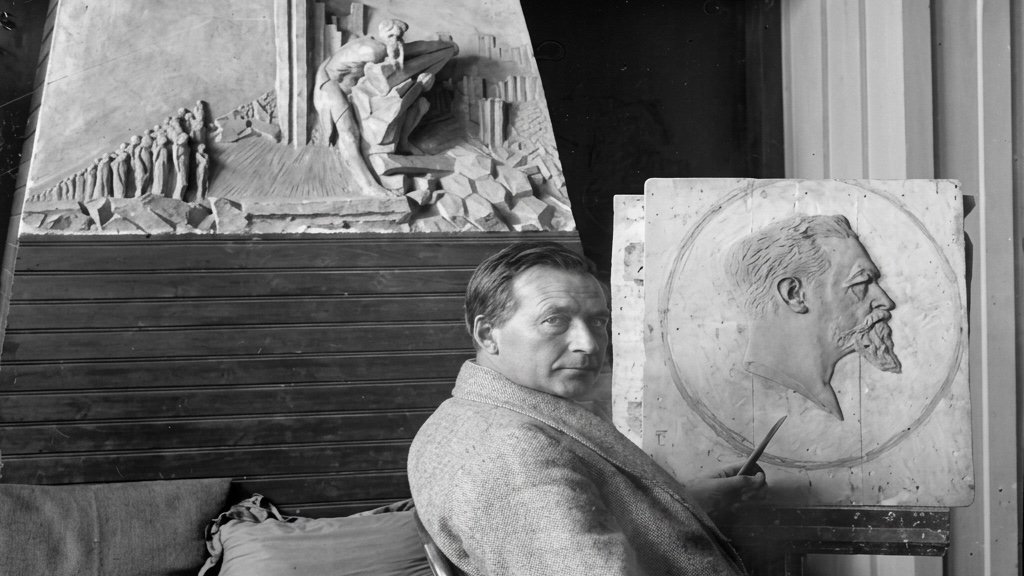
In the early twentieth century, Iceland had more Theosophists per capita than any other nation in the world, as noted in William H. Swatos and Loftur R. Gissurarson’s “Icelandic Spiritualism” (Transaction Publishers 1997, 192). Spiritualism also circulated widely, shaping intellectual circles and influencing artists who were searching for meaning beyond material existence. Among them, Einar Jónsson (1874–1954) emerged as the country’s national sculptor and one of the most distinctive interpreters of esoteric thought in European art. His talent appeared early, and the Icelandic Parliament financed his artistic training in Copenhagen and Rome, recognizing the promise of a young man who would later redefine sculpture’s spiritual dimension.
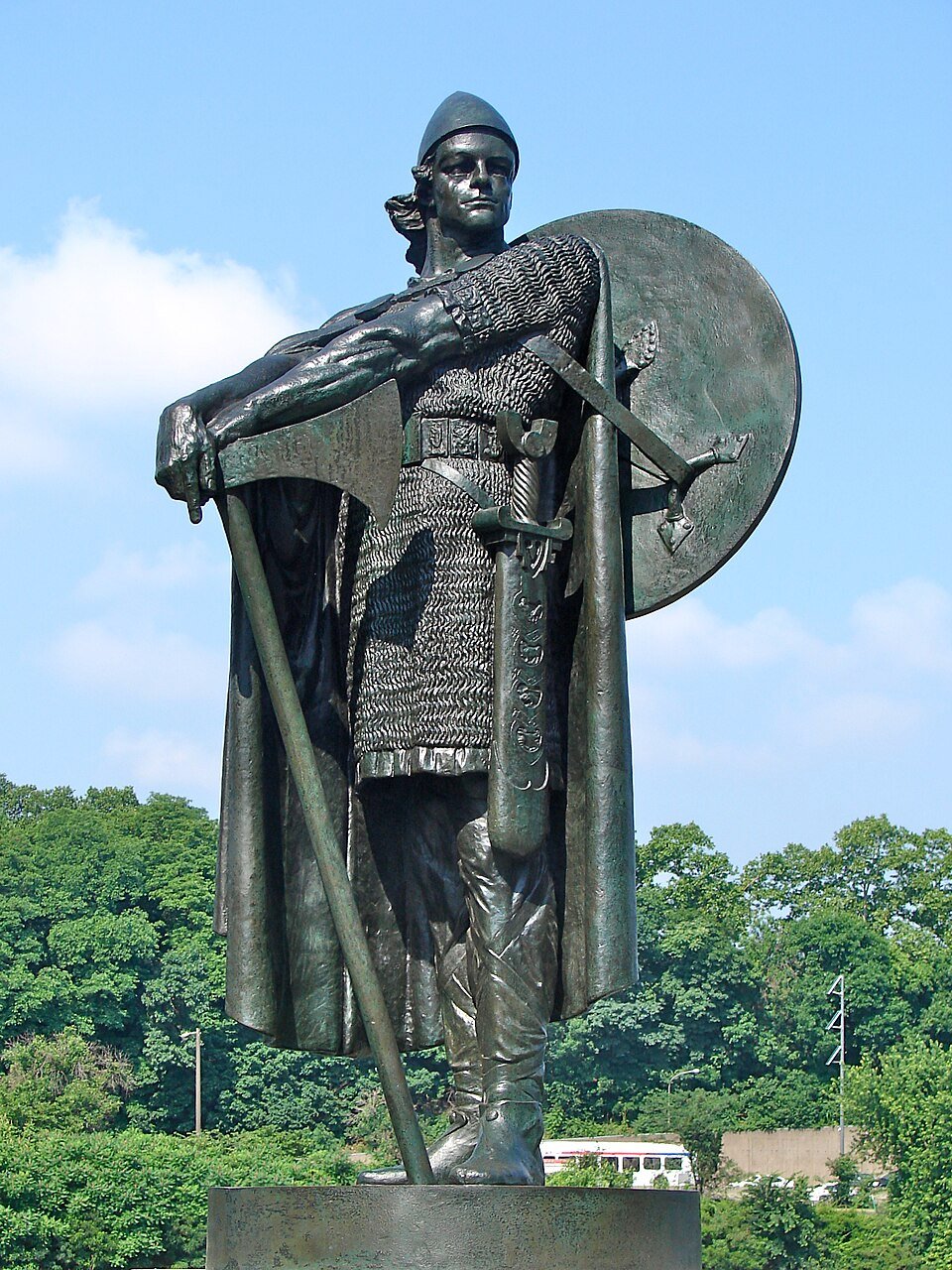
In 1914, Einar was selected to create the statue of the eleventh‑century Icelandic explorer Þorfinnr Karlsefni (980–1020) for Philadelphia. Karlsefni was associated with the earliest European settlement in North America, and the commission gave Einar the chance to present Iceland as the home of the Goddess of the Northern Lights, an expression carved into the monument’s inscription. The work connected national identity with cosmic symbolism, opening a path that Einar would follow for decades.
Around 1910, Einar developed contact with Theosophy. The Einar Jónsson Museum in Reykjavík explains that Theosophy’s theories and ideas became the foundation of the main body of his work from that point on. He also read Swedenborg and later met Martinus Thomsen (1890–1981), founder of the Danish esoteric movement known as the Martinus Institute. These influences shaped Einar’s understanding of matter, spirit, and artistic creation, forming a worldview that guided him throughout his life.
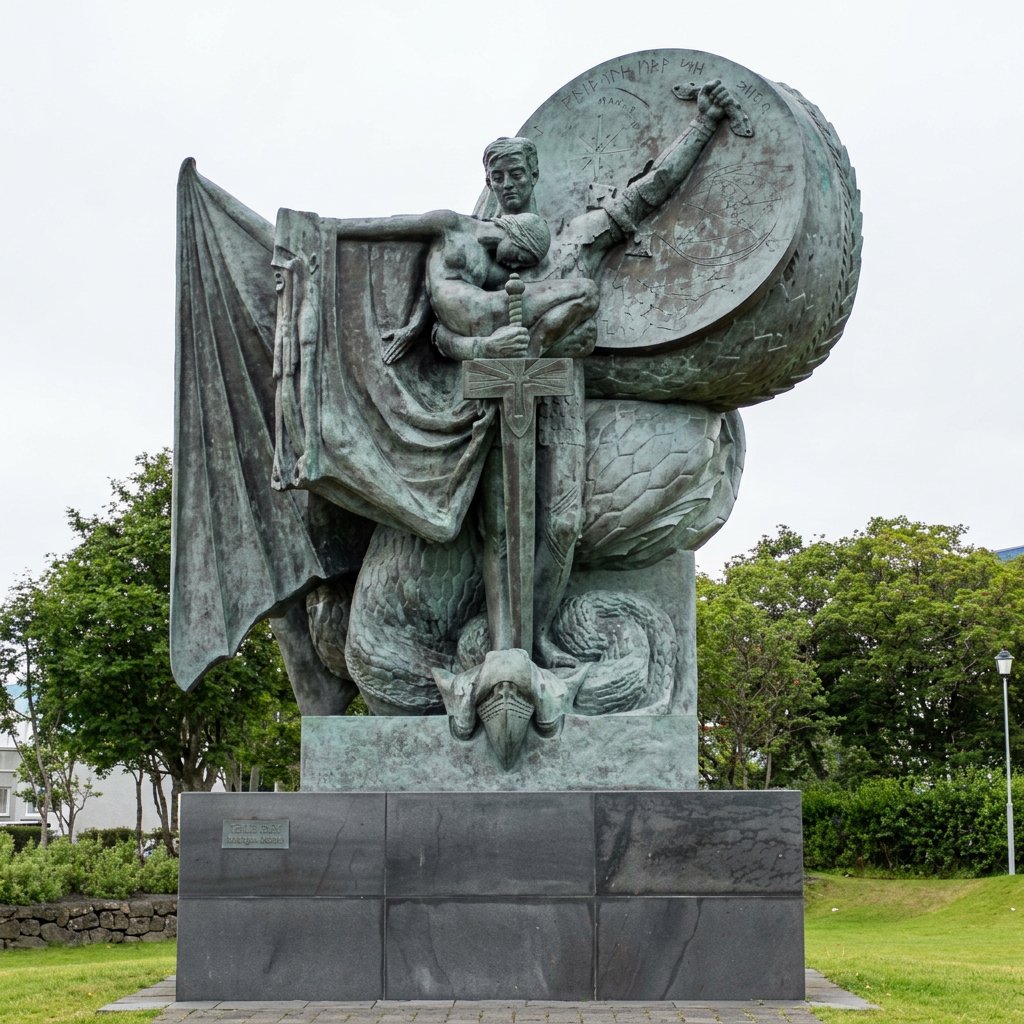
Einar returned to Iceland in 1920 and remained there until he died in 1954. Reykjavík hosts several of his sculptures, each offering a glimpse into his spiritual imagination. Among his most ambitious works is “The Spell Broken,” which occupied him for eleven years, from 1916 to 1927. The sculpture depicts St George and the dragon, yet Einar followed Annie Besant’s (1847–1933) reading of the legend. The dragon becomes the weight of lust and karma, and the victory of the saint becomes the triumph of the initiate who reaches enlightenment. The piece reveals how Einar used traditional narratives to express inner transformation.
Another major work, “The Birth of Psyche,” created between 1915 and 1918, is described by Einar as an attempt to represent the birth of matter as a vessel for the spirit and its development toward exalted worlds. The sculpture conveys the moment in which spirit enters matter, suggesting an ascent toward realms beyond ordinary perception.
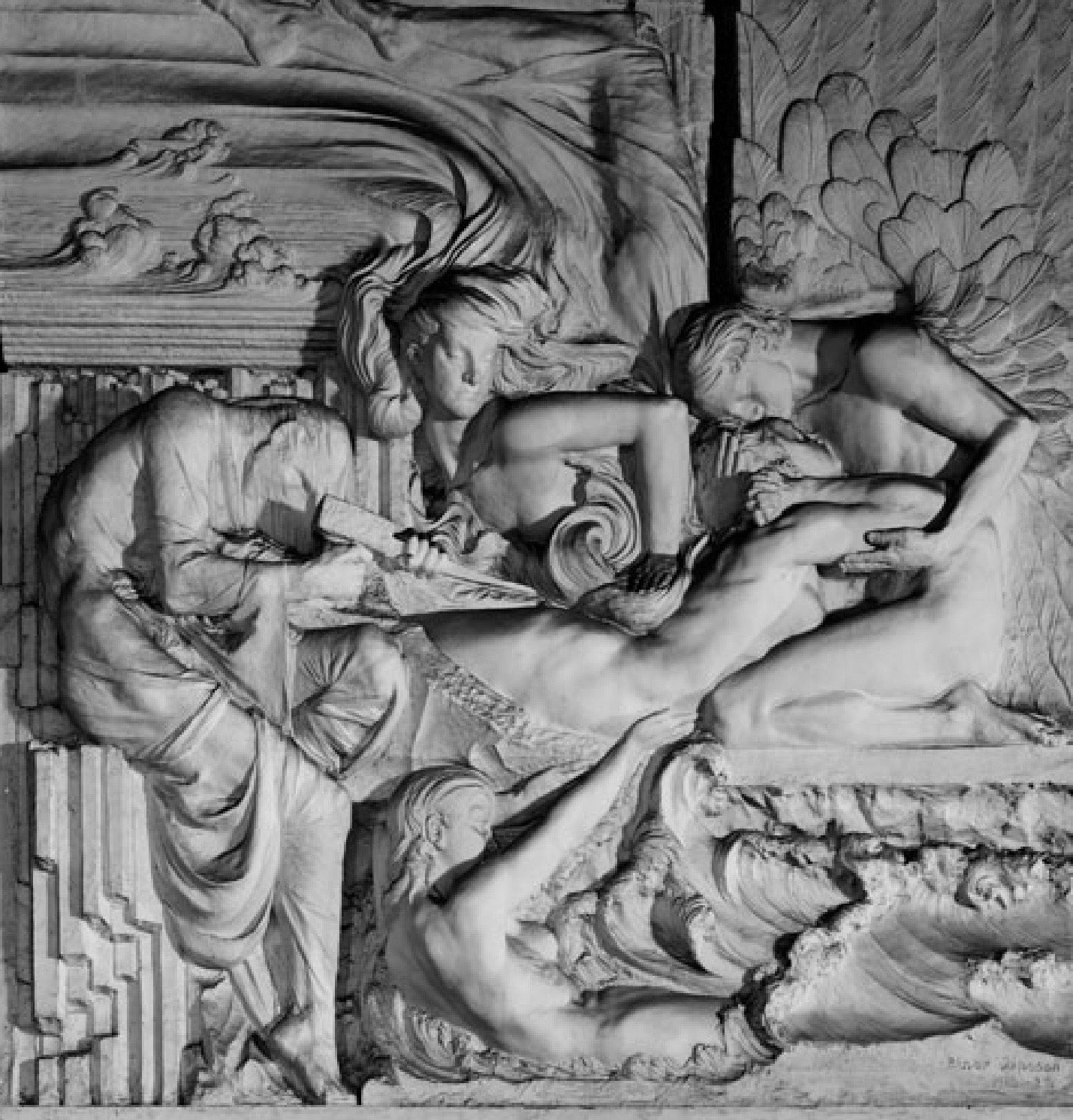
This theme appears again in “Rest,” a work with several versions. “Rest” shows art emerging from raw stone, and Besant used the same metaphor in a 1907 lecture collected in “The Spiritual Life,” where she explained that enlightenment allows divinity to emerge from the rough stone of humanity. Einar translated this metaphor into form, giving it a physical presence.
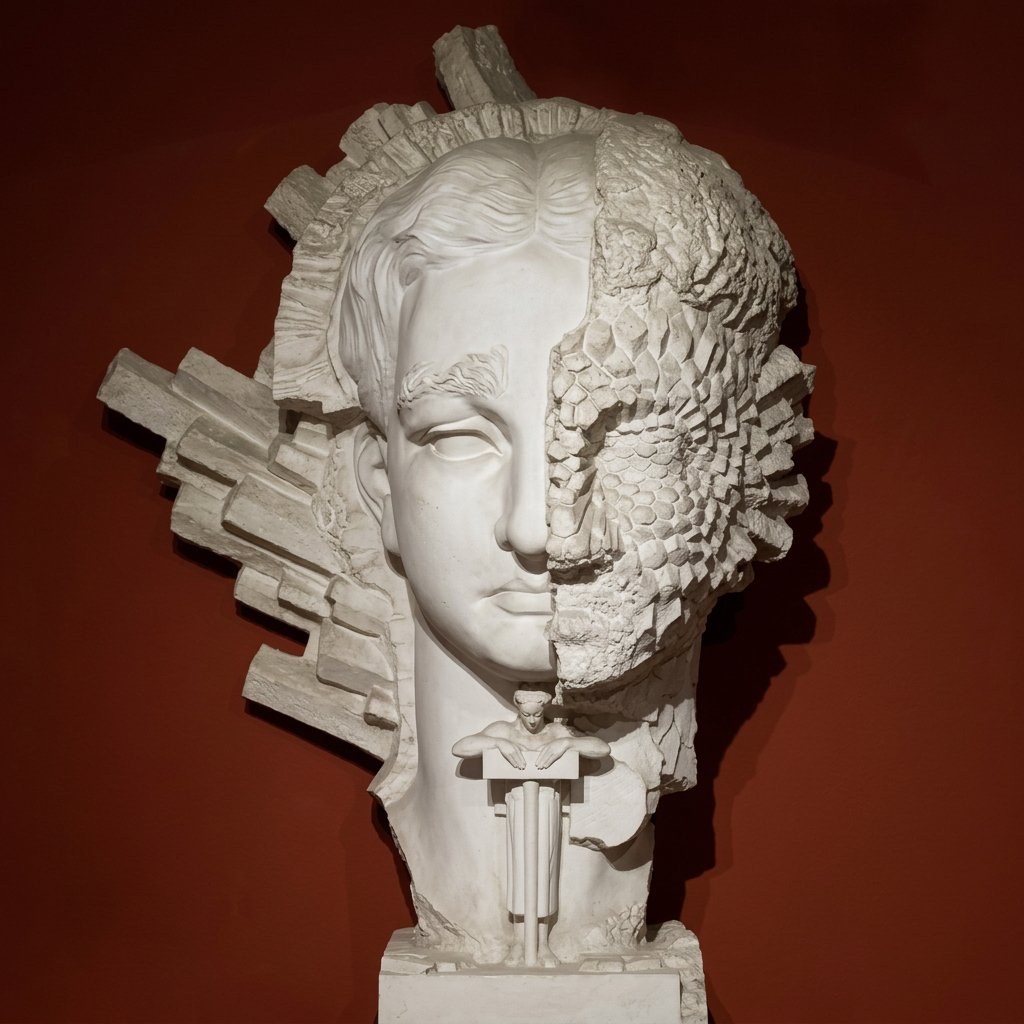
Einar shared esoteric interests with two other significant Icelandic artists of his generation. Guðmundur Thorsteinsson, known as Muggur (1891–1924), created works such as “Seventh Day in Paradise” (1920), where spiritual imagery blends with imaginative landscapes. Jóhannes S. Kjarval (1885–1972) produced pieces like “The Winged Boy” (1935), merging mythic elements with Icelandic nature. Their works show how Theosophy and Spiritualism shaped an entire artistic milieu, offering new ways to interpret landscape, myth, and human destiny.
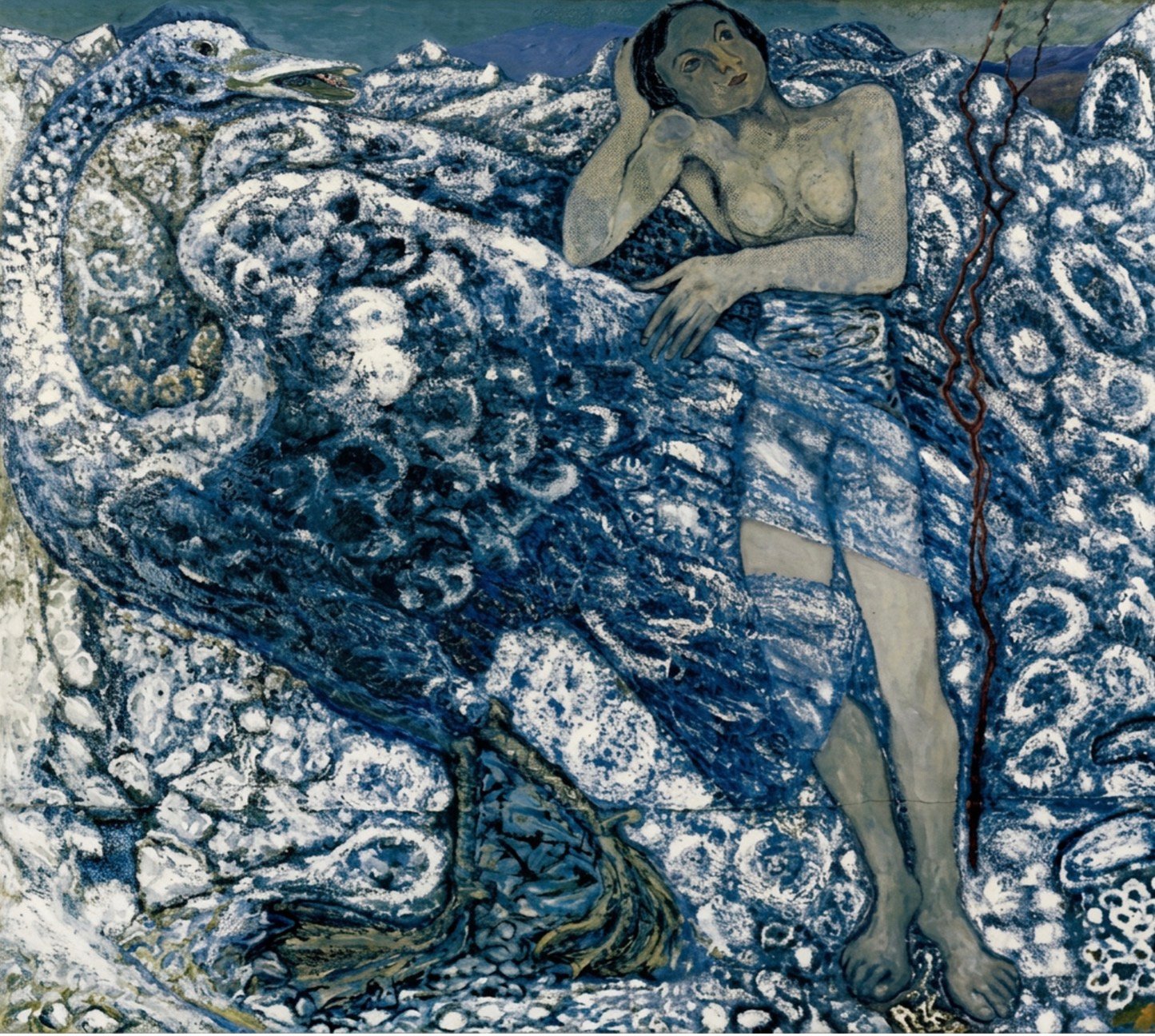
These movements continued to influence art in later decades. In 2013, the Hafnarborg Museum in Hafnarfjörður organized an exhibition on Theosophy, Spiritualism, and the New Age in Icelandic art. The exhibition was titled “An Attempt to Harness the Light,” referring to how contemporary artist Daði Guðbjörnsson describes his own work. Harnessing the light becomes a metaphor for enlightenment, and the exhibition demonstrated how Einar’s legacy continues to inspire artists who seek spiritual meaning in form and color.
A final episode shows how these currents still circulate in Icelandic religious life. In 1989, during Pope John Paul II’s (1920–2005) visit to Iceland, Guðfinna Hjálmarsdóttir, a woman interested in Theosophy who hoped to establish a spiritual center for members of all religions in Snæfellsnes, reported a vision of the Virgin Mary near a spring at Hellnar. A tradition about an earlier apparition in the thirteenth century may have been created afterward. The event generated an unexpected sequence of reactions. A statue was produced by Kristín Guðrún Gunnlaugsdóttir, a well‑known feminist artist who was not Catholic, and a Lutheran priest blessed it.
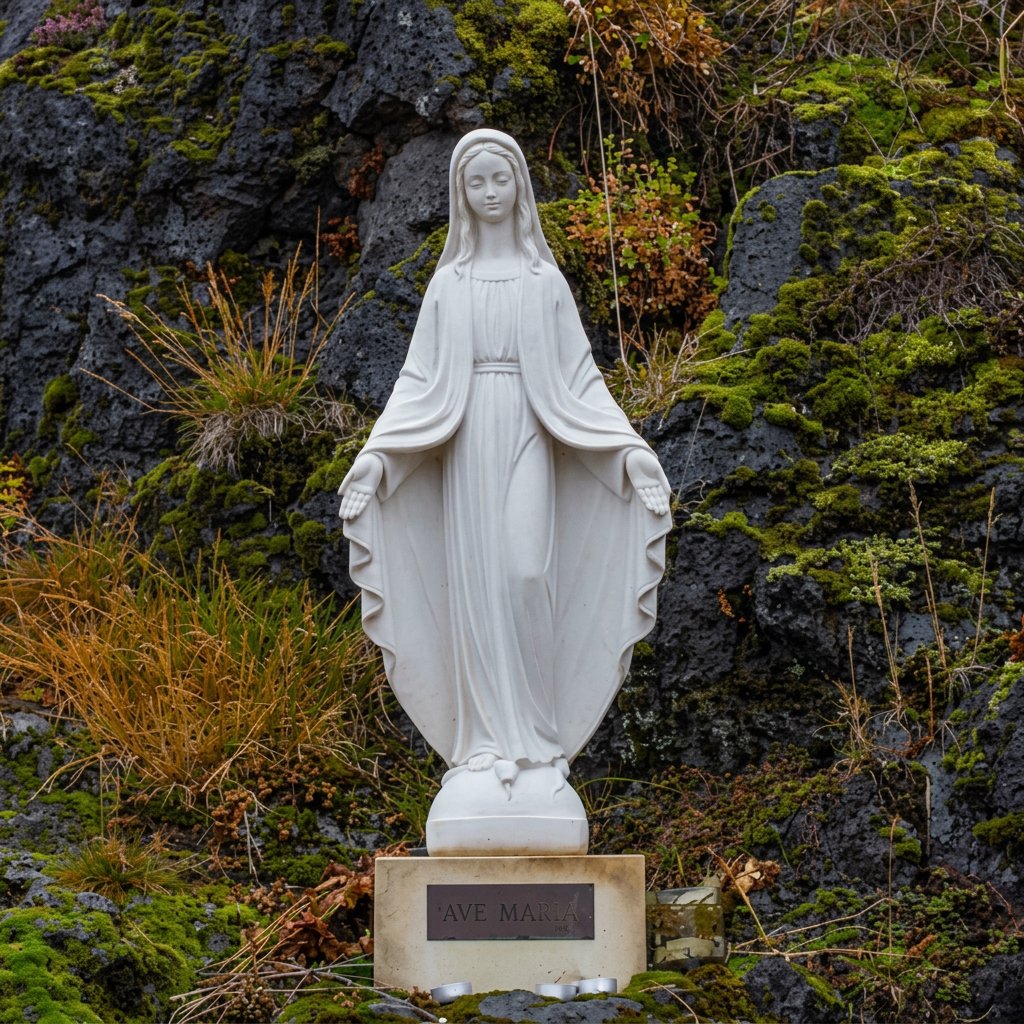
A Catholic apparition experienced by a Theosophist led to a Lutheran pilgrimage, offering a conclusion to the story of how Theosophy shaped Iceland’s artistic imagination and spiritual creativity.
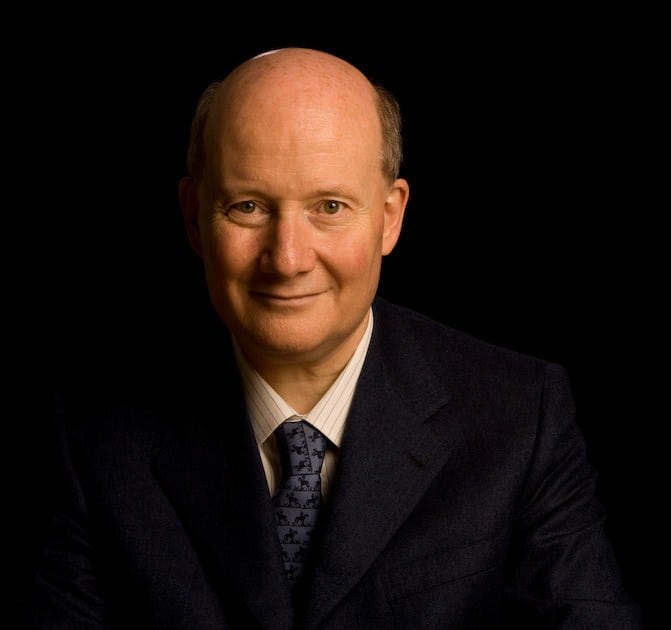
Massimo Introvigne (born June 14, 1955 in Rome) is an Italian sociologist of religions. He is the founder and managing director of the Center for Studies on New Religions (CESNUR), an international network of scholars who study new religious movements. Introvigne is the author of some 70 books and more than 100 articles in the field of sociology of religion. He was the main author of the Enciclopedia delle religioni in Italia (Encyclopedia of Religions in Italy). He is a member of the editorial board for the Interdisciplinary Journal of Research on Religion and of the executive board of University of Pennsylvania Press’ Nova Religio. From January 5 to December 31, 2011, he has served as the “Representative on combating racism, xenophobia and discrimination, with a special focus on discrimination against Christians and members of other religions” of the Organization for Security and Co-operation in Europe (OSCE). From 2012 to 2015 he served as chairperson of the Observatory of Religious Liberty, instituted by the Italian Ministry of Foreign Affairs in order to monitor problems of religious liberty on a worldwide scale.