CAP-LC’s latest submission to the Human Rights Council describes how persecution continues even after believers escape China.
by Massimo Introvigne
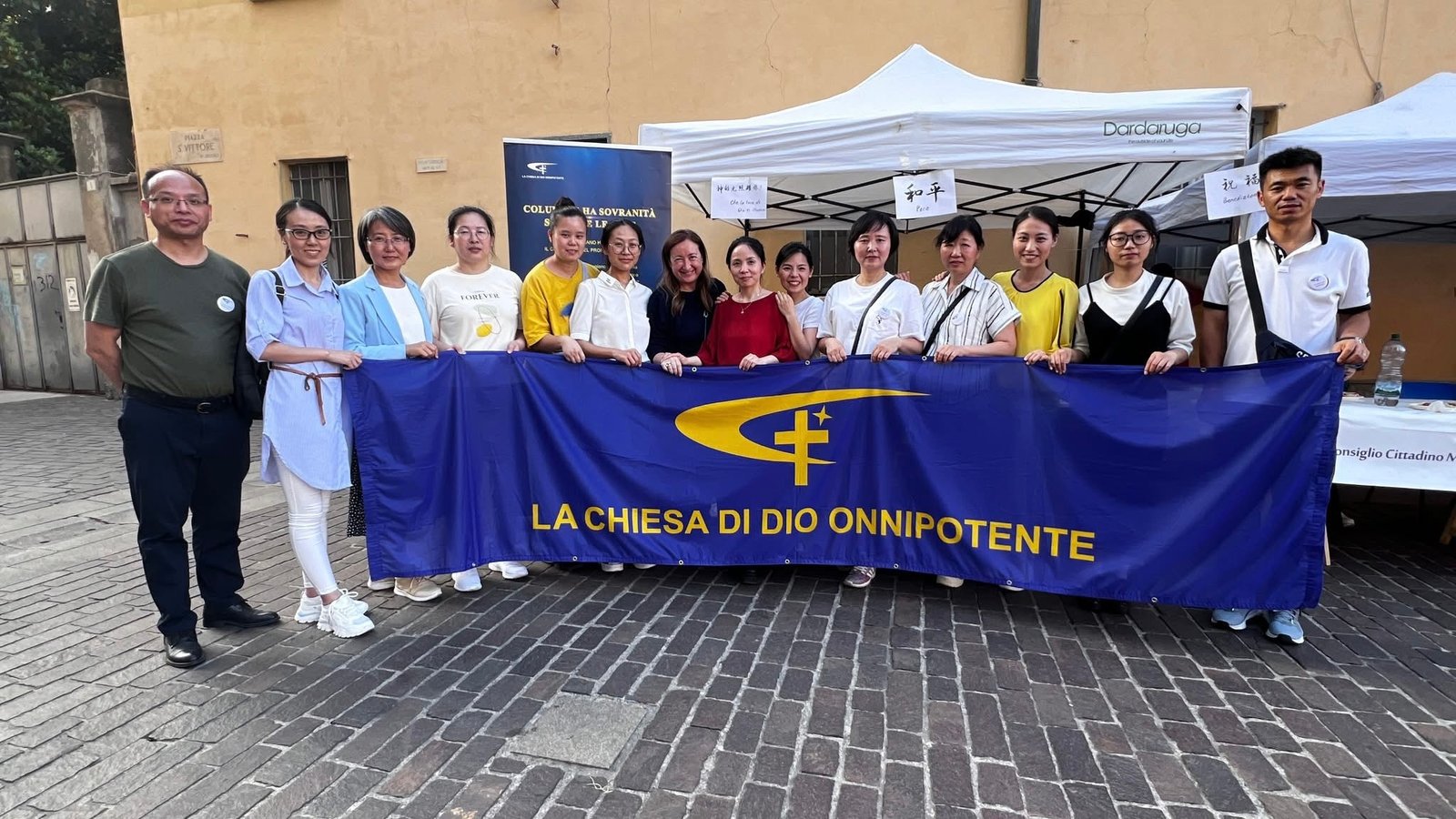
A written statement filed on August 10 by the Coordination des Associations et des Particuliers pour la Liberté de Conscience (CAP-LC), an ECOSOC-accredited NGO, has been circulated at the United Nations Human Rights Council in Geneva. The document highlights the situation of refugees belonging to the Church of Almighty God (CAG). This Christian new religious movement has endured severe repression in China for decades.
CAP-LC reports that it has monitored this persecution for ten years and examined hundreds of cases. It states that “those identified as CAG members are sentenced to heavy jail terms” and that China monitors “both legally and illegally, asylum applications filed abroad by its citizens and their related activities.” The statement records that seeking asylum based on religious persecution is treated as a crime and a form of treason, as it is said to “slander” the image of China. It also notes that repatriated asylum seekers have been sentenced for their religious activities and for having applied for asylum or criticized China abroad, with aggravated penalties and the risk of being charged with high treason. This crime may carry the death penalty.
The statement recalls that torture remains a serious concern. CAP-LC cites the decision of the United Nations Committee Against Torture of 27 July 2021, which established that CAG believers deported to China face a concrete risk of torture or inhuman treatment. This risk persists even when individuals have lived abroad for years, as Chinese authorities continue to identify and monitor CAG members residing overseas.
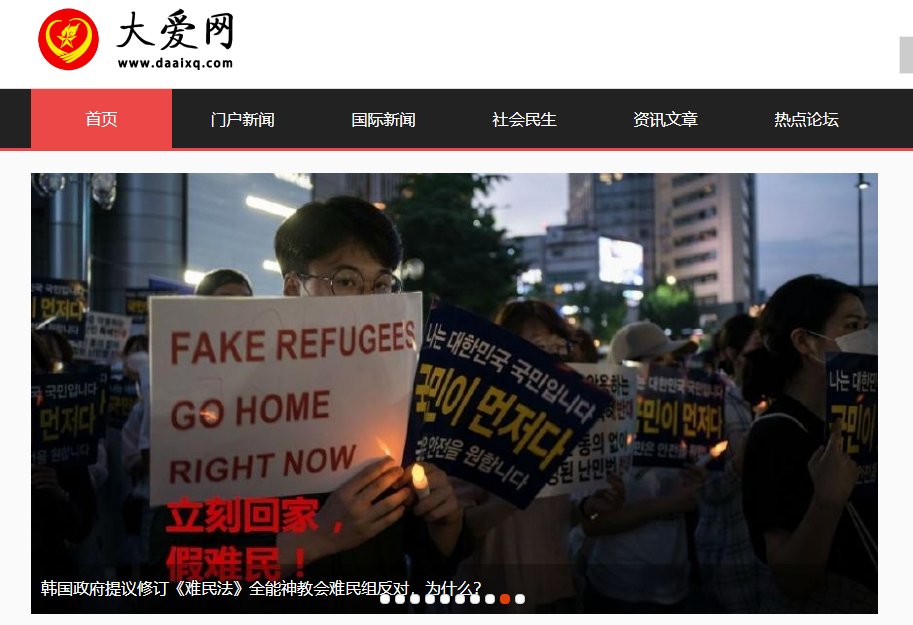
CAP-LC draws the Council’s attention to two websites, Anti-Almighty God Alliance and Da Ai Wang, which publish photographs and personal information of CAG refugees in several countries, including Italy, and even of refugees who are not CAG members. CAP-LC states that it is persuaded these websites are connected to Chinese intelligence and propaganda structures. It bases this conclusion on stylistic analysis, verbal patterns identical to those used by Chinese state sources, and the fact that the sites have access to information on asylum applications that private non-state actors cannot obtain. The statement notes that Da Ai Wang has published personal data of a smaller number of asylum seekers. Yet, the information disclosed is highly sensitive and could only have been obtained through unofficial channels or illicit means. CAP-LC affirms that the presence of personal data and images on these platforms demonstrates that identification by Chinese authorities has already occurred and that the Chinese state is fully aware that these individuals have committed, under Chinese criminal law, the “crime” defined in Article 300 of the Criminal Code, namely “using” a banned religious organization classified as a “xie jiao.”
The statement addresses an argument sometimes used to deny asylum, namely that facial recognition systems at Chinese airports make it impossible for genuinely persecuted individuals under surveillance to leave China. CAP-LC explains that this theory incorrectly portrays border controls as infallible. It reports that China’s surveillance systems were introduced gradually and do not yet include complete or real-time information on all individuals once convicted or suspected of dissent. Databases exist at city, county, provincial, and national levels, and information does not travel automatically or immediately between them. Many CAG believers are initially sought only by local police and manage to avoid arrest by relocating to other regions. Only later, once identified again, does the case escalate to an interregional or interprovincial investigation.
From the asylum cases examined by CAP-LC, it emerges that numerous applicants had already been identified or investigated by local public security authorities before departure. Yet, their information had not been entered into national exit-control systems. To obtain a passport and leave China, many relied on personal connections and paid bribes to have information about their religious affiliation or exit restrictions deleted or concealed. A smaller number who had previously been arrested or detained reported that they could leave China only after having those records removed through similar informal and corrupt channels.
CAP-LC notes that specialized sources agree that corruption in China is widespread and massive. Millions of officers take bribes, and a flourishing market exists for passports and altered police records. This explains why dissidents, corrupt businesspeople, and organized crime leaders regularly leave China with seemingly regular documents. CAP-LC reports that European intelligence services have confirmed that Chinese border controls can be bypassed and are regularly bypassed by Chinese organized crime figures who reach Europe without being intercepted at airports. This confirms that individuals the police should intercept may succeed in leaving China.
Download the full text of the statement in PDF.
The statement also records that since 2015 Chinese authorities have continued to identify and monitor CAG members residing abroad, collecting information through exit-record verification, investigations of relatives remaining in China, and inquiries into the destination country. Relatives have been pressured to contact believers abroad to persuade them to return to China. CAP-LC affirms that the fact that an applicant managed to leave China legally does not mean that they have escaped the attention of Chinese authorities. If they return, they will still face investigation, detention, or other forms of persecution.
The statement concludes that “the mere fact that an applicant left China with valid documents or passed airport border controls is not sufficient to exclude past persecution or the risk of future persecution.” CAP-LC urges democratic states to dismiss ill-founded objections and recognize the seriousness of the risks faced by members of The Church of Almighty God. It affirms that granting asylum to those who have managed to escape China is essential to upholding human dignity, freedom of religion or belief, and the fundamental values on which the Human Rights Council is founded.

Massimo Introvigne (born June 14, 1955 in Rome) is an Italian sociologist of religions. He is the founder and managing director of the Center for Studies on New Religions (CESNUR), an international network of scholars who study new religious movements. Introvigne is the author of some 70 books and more than 100 articles in the field of sociology of religion. He was the main author of the Enciclopedia delle religioni in Italia (Encyclopedia of Religions in Italy). He is a member of the editorial board for the Interdisciplinary Journal of Research on Religion and of the executive board of University of Pennsylvania Press’ Nova Religio. From January 5 to December 31, 2011, he has served as the “Representative on combating racism, xenophobia and discrimination, with a special focus on discrimination against Christians and members of other religions” of the Organization for Security and Co-operation in Europe (OSCE). From 2012 to 2015 he served as chairperson of the Observatory of Religious Liberty, instituted by the Italian Ministry of Foreign Affairs in order to monitor problems of religious liberty on a worldwide scale.