A machinery of remorse reminiscent of Stalin and Mao compels dissidents to confess and apologize publicly on TV.
by Gladys Kwok
Public confessions have long been a familiar instrument of Communist power. The Stalinist trials of the 1930s turned admissions of guilt into theatrical displays, where defendants rehearsed their own destruction under the glare of cameras and party officials. During the Cultural Revolution, the ritual expanded into a mass spectacle. Humiliation parades, forced self‑criticisms, and staged declarations of loyalty filled streets and factories. The accused stood before crowds with placards hanging from their necks, repeating lines prepared for them by political instructors. The purpose was submission through spectacle.
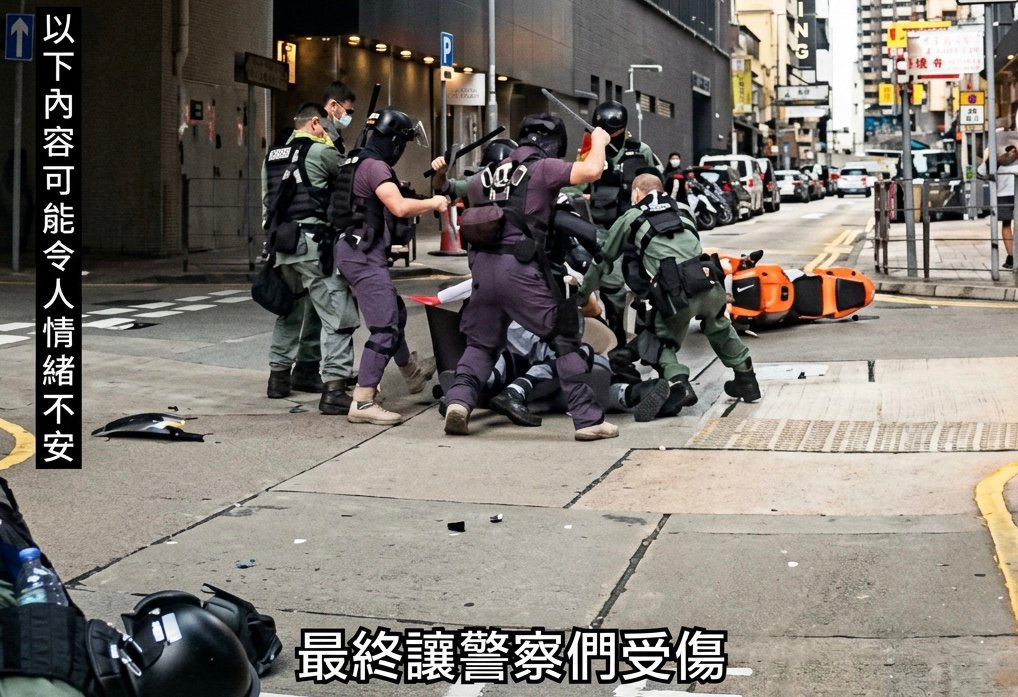
This logic has resurfaced in Hong Kong through a new media environment shaped by national security enforcement. The televised series “NS [National Security] Files: Decoded,” produced by the Security Bureau and launched on June 30, presents political cases as morality tales. The first episode opens with Leon Tong, the first dissident arrested under National Security Law. On July 1, 2020, the day the National Security Law came into force, Tong was arrested while riding a motorcycle with a flag protesting the statute.
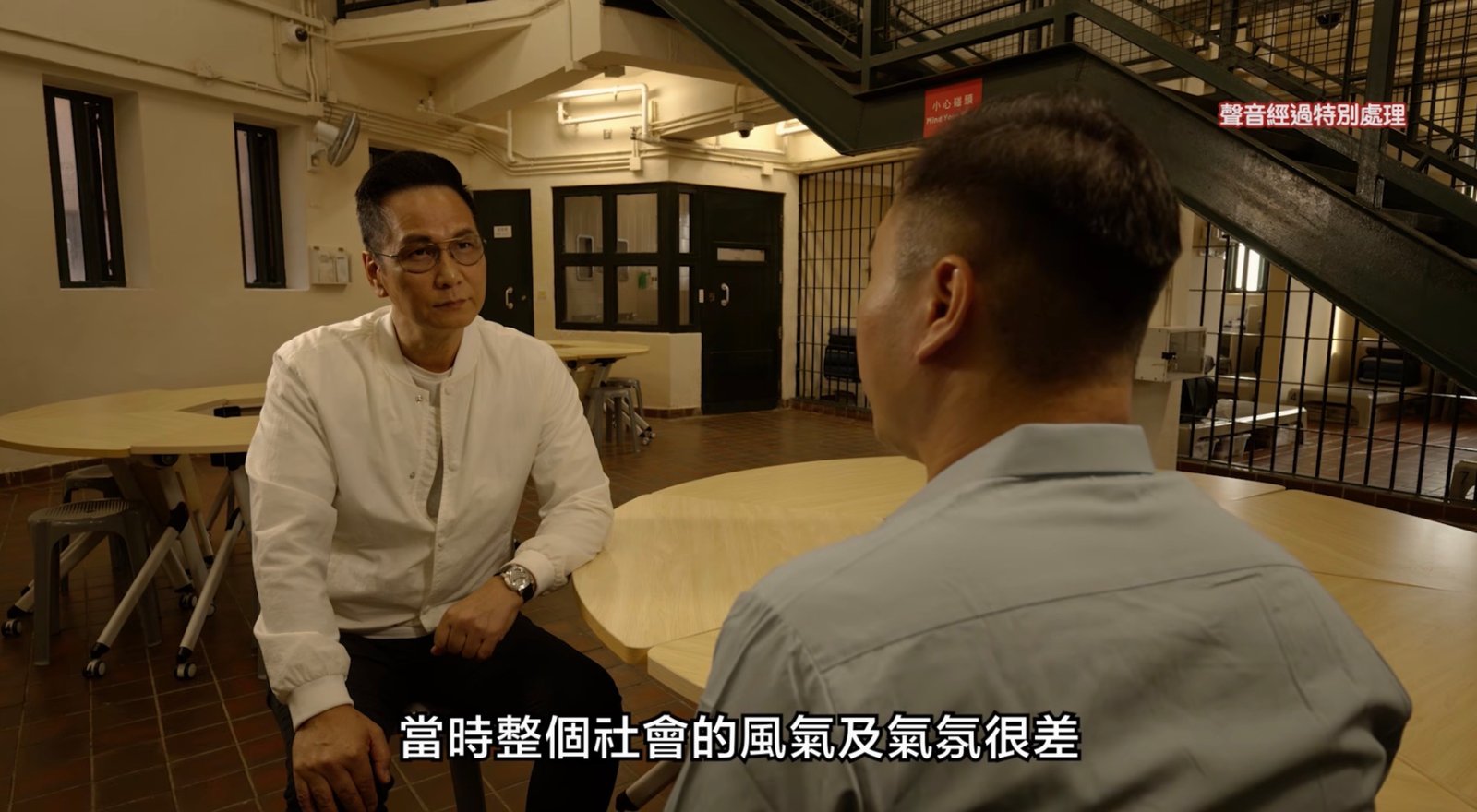
A host visits Tong in jail in “NS Files: Decoded,” episode 1, and the dissident states, “I understand the things I did seriously harmed the country,” a line that echoes the tone of earlier Communist confession rituals. The series uses interviews with national security police, dramatic footage of arrests, and a narrative structure that guides viewers toward predetermined conclusions. The accused appear as characters in a story crafted by the authorities.
The practice has precedents in mainland China and Hong Kong itself. Charles Xue’s televised remorse in 2013, in which the businessman and social media commentator abjectly apologized for criticizing Xi Jinping, became a model for turning prosecutions into entertainment. After he was framed with the accusation of soliciting a prostitute, his case was amplified across platforms, and his statements were framed as lessons for the public. The same pattern extended to dozens of confessions aired on state television, including those involving lawyers, journalists, and foreign citizens. Security agencies built their own content operations, competing for views and shaping public sentiment through dramatized enforcement.
“NS Files: Decoded” is promoted as a search for truth. Posters declare that the truth lies within the files. The presentation suggests discovery, yet the program’s structure offers conclusions before questions can form. Confession becomes the opening act, and the rest of the episodes reinforce the message through interviews and footage selected to support the storyline. Journalism becomes a device within a larger script.
This approach carries consequences for the city. Media outlets that once operated independently now collaborate with authorities on productions that frame dissent as danger. The same establishment that prosecutes journalists and publishers also produces content that defines acceptable speech. The boundaries between reporting and enforcement fade, and the public is invited to watch political cases as serialized drama.
The Stalinist and Maoist confession ritual has returned in a new setting. It no longer takes place in factories or stadiums. It unfolds on television screens, in online videos, and in competitions for schoolchildren. The machinery of remorse has adapted to a modern media economy, and Hong Kong has become one of its stages.

Uses a pseudonym for security reasons.