A victory that brings relief yet leaves unresolved the wider wounds of religious repression.
by Vivian Ren
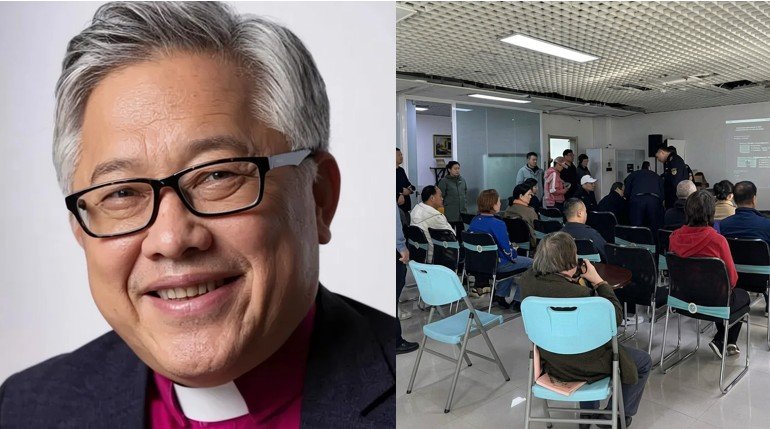
On July 4, 2026, the day of American Independence Day, Pastor Jin Mingri (Ezra Jin), founder of Beijing Zion Church, was suddenly released after 266 days of detention, flew to Los Angeles, and reunited with his family after nearly eight years of separation.
His daughter Grace could hardly recognize her father—he had lost more than thirty pounds, and his hair had been shaved off in prison.
The scene was deeply moving, and it brought genuine joy to many who follow the situation of religious freedom in China.
Zion Church is one of China’s most influential urban house churches, with nearly ten thousand congregants. In October 2025, Pastor Jin and more than twenty coworkers were detained one after another, becoming the largest church crackdown in nearly a decade.
Conditions in detention were harsh: a shared sleeping space of about one hundred square meters, freezing in winter and scorching in summer; during the day, he had to sit on a small stool for long hours and raise his hand to request permission to stand.
Officials repeatedly demanded that he confess guilt; he calmly acknowledged founding the church, continuing to meet after it was shut down, and holding online gatherings, but he consistently maintained that none of these actions were illegal.
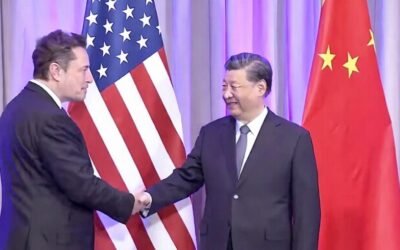
According to public reports, Pastor Jin’s release was connected to a personal appeal made by President Trump to President Xi Jinping. Under the current system, the final handling of such cases often depends on intervention from top leadership rather than on court rulings.
His release is in itself a positive signal, but eight church members involved in the same case remain in detention.
Since the senior pastor has regained his freedom, the others in the same case should likewise be granted equal treatment as soon as possible; this is a basic requirement of fairness and humanity.
Several international human rights organizations issued statements after Pastor Jin’s release, congratulating him on his reunion with his family and calling for an end to excessive restrictions on religious activities, urging the prompt release of the remaining detained members of Zion Church. They noted that many other pastors and lay members of house churches also remain in jail in China.
Members of the U.S. Congress likewise publicly urged the release of all prisoners of conscience. These voices indicate that international concern over religious freedom in China has not ended with the release of one individual.
Pastor Jin Mingri’s regaining of freedom brings us joy and consolation. Yet alongside the joy, the concern has not dissipated. The brothers and sisters who have been deprived of their freedom merely for following Christ, preaching the Gospel, and persisting in gathering remind us that religious freedom remains a path requiring sustained effort.
We call on the international community to continue speaking out for Zion Church and other persecuted churches, to help ensure that all who remain detained may soon regain their freedom; genuine religious liberty is not an exception granted to a few, but a normal condition in which all may worship in peace and bear public witness to their faith.

Uses a pseudonym for security reasons.