A landmark acquittal that affirmed innocence, yet left a wound unhealed. A reminder that justice must be lived, not merely declared.
by Francesco Curto*
*A paper presented at the webinar “A Legal Victory, an Administrative Injustice: The 19th Anniversary of Tai Ji Men Supreme Court Acquittal,” coorganized by CESNUR and Human Rights Without Frontiers on July 13, 2026.
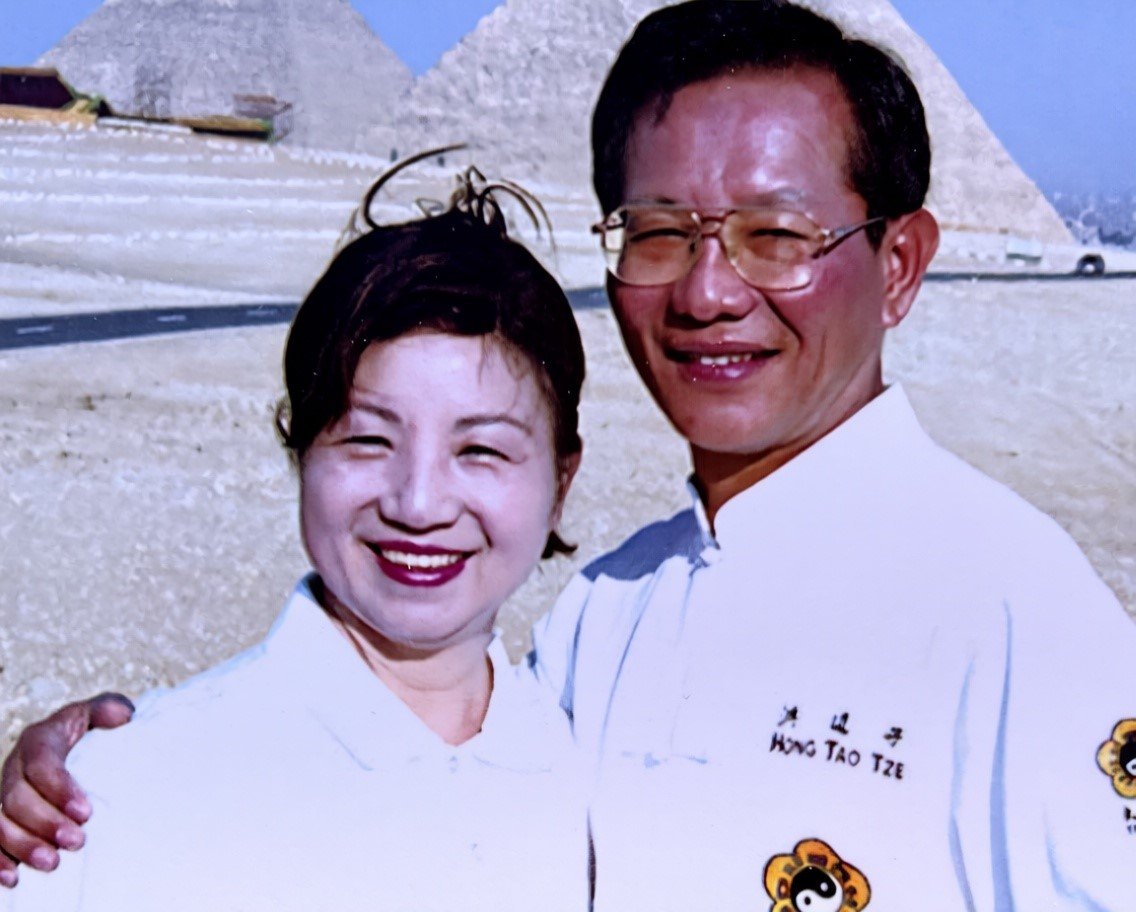
Today we remember one date: July 13, 2007. On that day, Taiwan’s Supreme Court said one clear word: “Not guilty.” Dr. Hong Tao-Tze, the Grand Master (Shifu) of Tai Ji Men, his wife, and his two dizi (disciples) were found innocent of all charges—fraud and tax evasion. The Court said: The red envelopes from students to the Master are gifts, not income, and not subject to taxes.
It sounds like the end of the story. But it was the start of a lesson for all of us.
Let’s go back to 1996. On December 19, police raided 19 Tai Ji Men academies across Taiwan and the residences of some dizi. The leader was arrested. Why? Politics. Tai Ji Men did not support the ruling party’s candidate in the presidential elections, so the government labeled it a “xie jiao.” It is an old word in Chinese culture. It means “a group spreading heterodox teachings,” though it is often translated more inaccurately as “an evil cult.” They use it to attack groups that are different.
For 11 years, between 1996 and 2007, Tai Ji Men faced court cases, jail, frozen bank accounts, and negative news coverage. The media called them a “cult.”
In 2003, a first-degree court said, “not guilty.” In 2005, the appeal court said the same. In 2007, the Supreme Court closed the criminal case, and Taiwan compensated them for the time spent in jail.
This should have been the end. But it was not.
Because the tax office did not follow the Supreme Court, they kept one tax bill from 1992. In 2020, they used that one bill to take sacred land in Miaoli—land for peace, for learning, and for self-cultivation.
This is what we call “administrative injustice”: a legal win, but no real justice.
So why is Tai Ji Men important to us?
Because their answer was not anger but action.
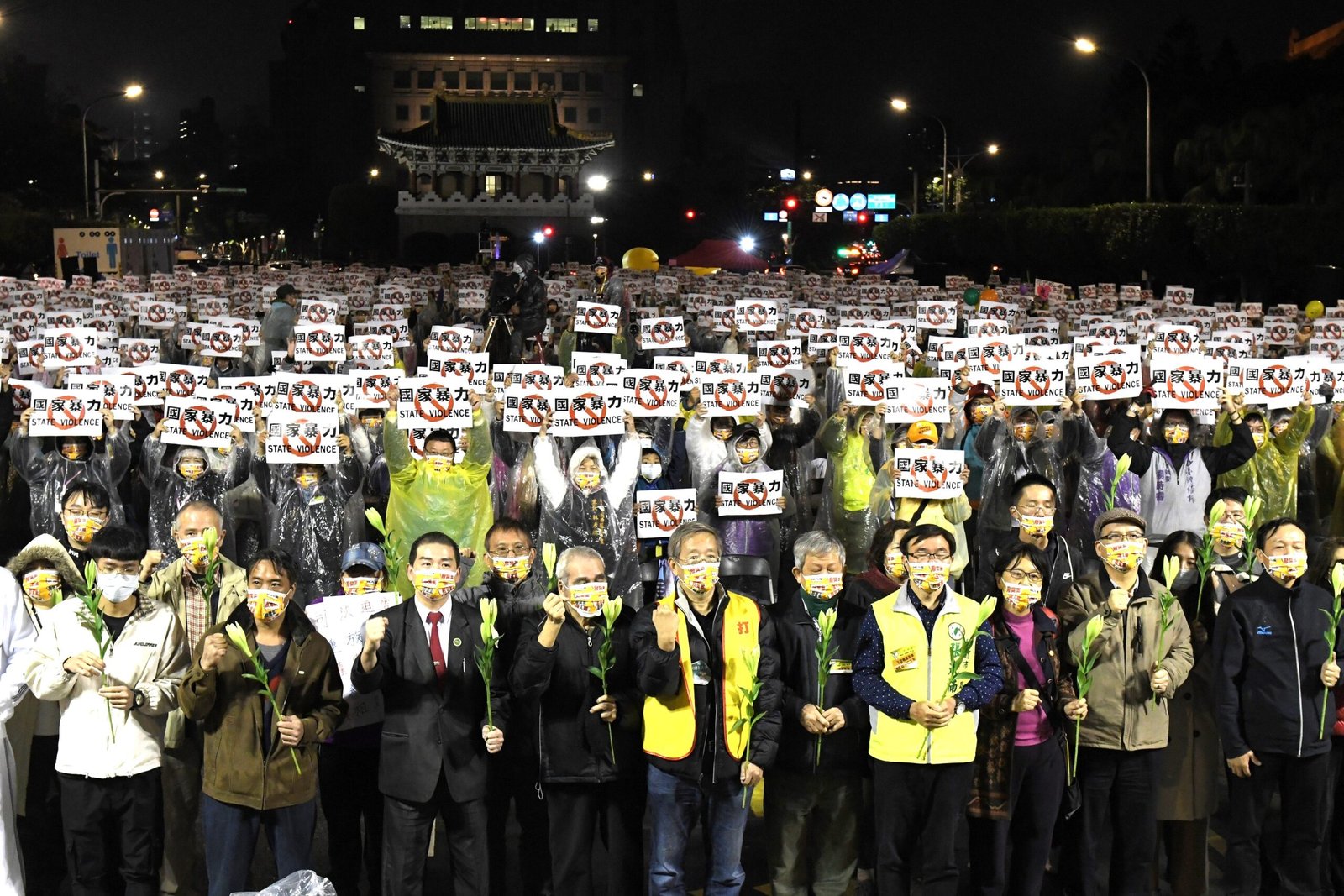
In the last 10 years, Tai Ji Men has built a network for truth—one of social mobilization. Peaceful protests in Taiwan, in Washington, D.C., and in Europe—not to ask for special rights for itself, but to ask for equal rights under the law. Webinars with international experts, since 2022, now every two months, with CESNUR and Human Rights Without Frontiers. Scholars, lawyers, and activists came together. Well-known names like Massimo Introvigne, Alessandro Amicarelli, Willy Fautré, and Marco Respinti. These were open meetings to explain what happens when imposing a label amounts to persecution. Civic diplomacy: they repeatedly brought the case to the United Nations, including at the UN Human Rights Council, calling for an independent review and fair treatment for all in Taiwan.
This is real work: to record, to explain, to connect.
And what is the heart of all this? The nobility of their work.
Tai Ji Men is not only a legal case. It is a school. For 60 years, it has taught one thing: how to be good citizens.
What does that mean? It means conscience, self-discipline, and respect. It means living moral and ethical values every day—hospitality, honesty, responsibility to the community, and care for others.
When a young person joins Tai Ji Men, they do not learn only qigong or martial arts. They learn to protect something higher: conscience and human dignity.
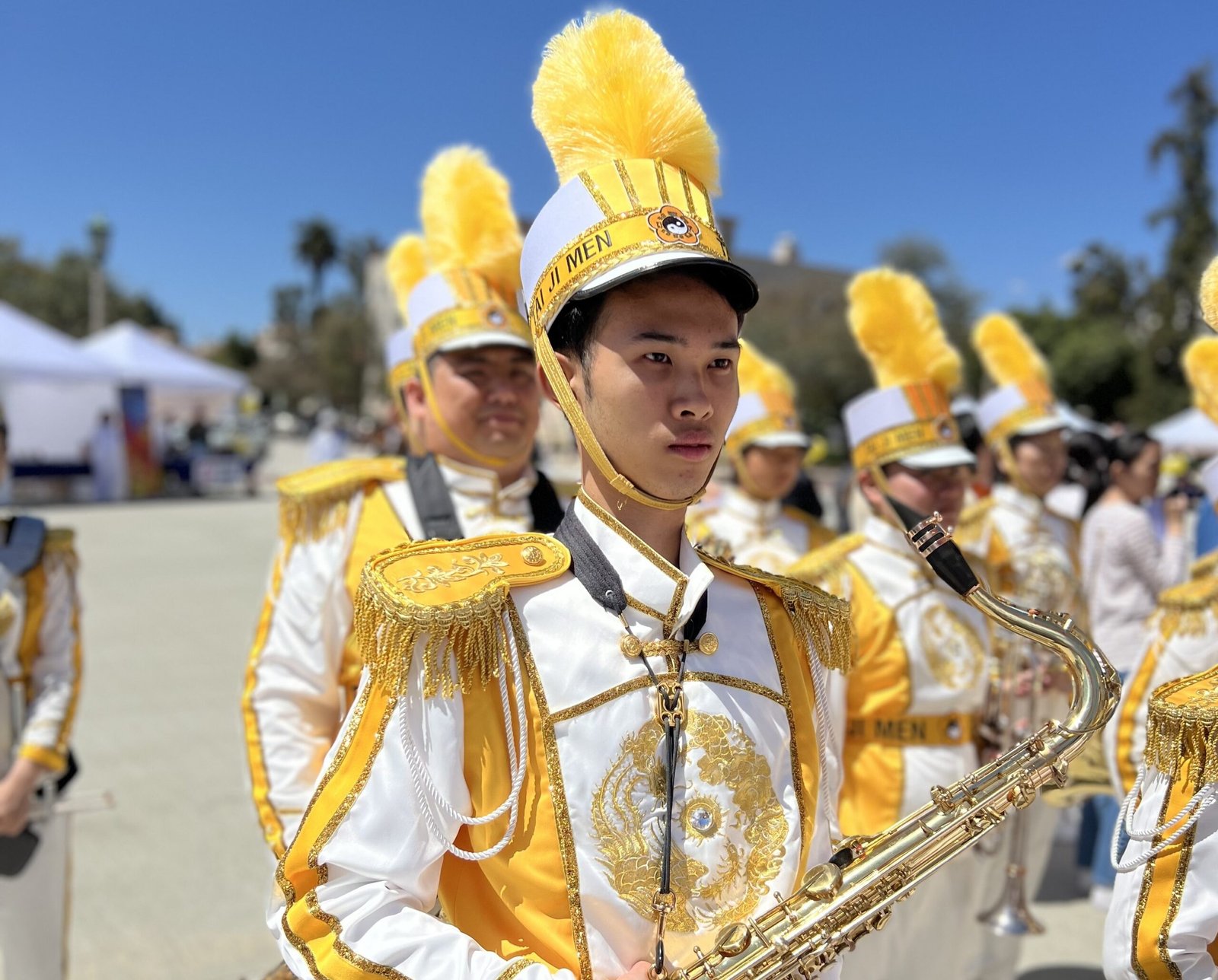
That is why this case matters to all of us. If a group that builds good citizens is treated as a danger, then the problem is not the group. The problem is how a society respects independence and difference.
In closing, July 13 is not just an anniversary. It is a reminder. It reminds us that justice does not end with a court paper. It ends when that paper becomes real. It reminds us that religious freedom is not for “others.” It is the measure of how free a society really is.
Tai Ji Men won in court in 2007. It is still winning today because it never stopped teaching, speaking, and acting with conscience and dignity.
Our task now is to stand with that dignity and conscience.

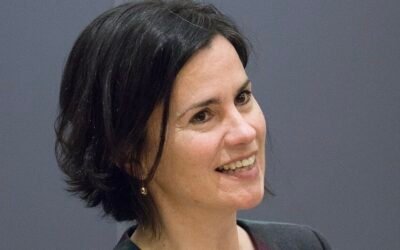
Francesco Curto is a lawyer in Torino, Italy, specialized in human rights and religion-related issues. He coordinates the legal team of Turin’s Observatory of Religious Pluralism, and is co-founder of Fedinsieme (Faiths Together), a committee promoting inter-religious and inter-cultural dialogue.