The repression of the Christian millenarian movement during the Martial Law period in Taiwan has similarities with the post-authoritarian assault on Tai Ji Men.
by Massimo Introvigne*
*A paper presented at the European Academy of Religion’s Ninth Annual Conference, LUISS University of Rome, July 2, 2026.
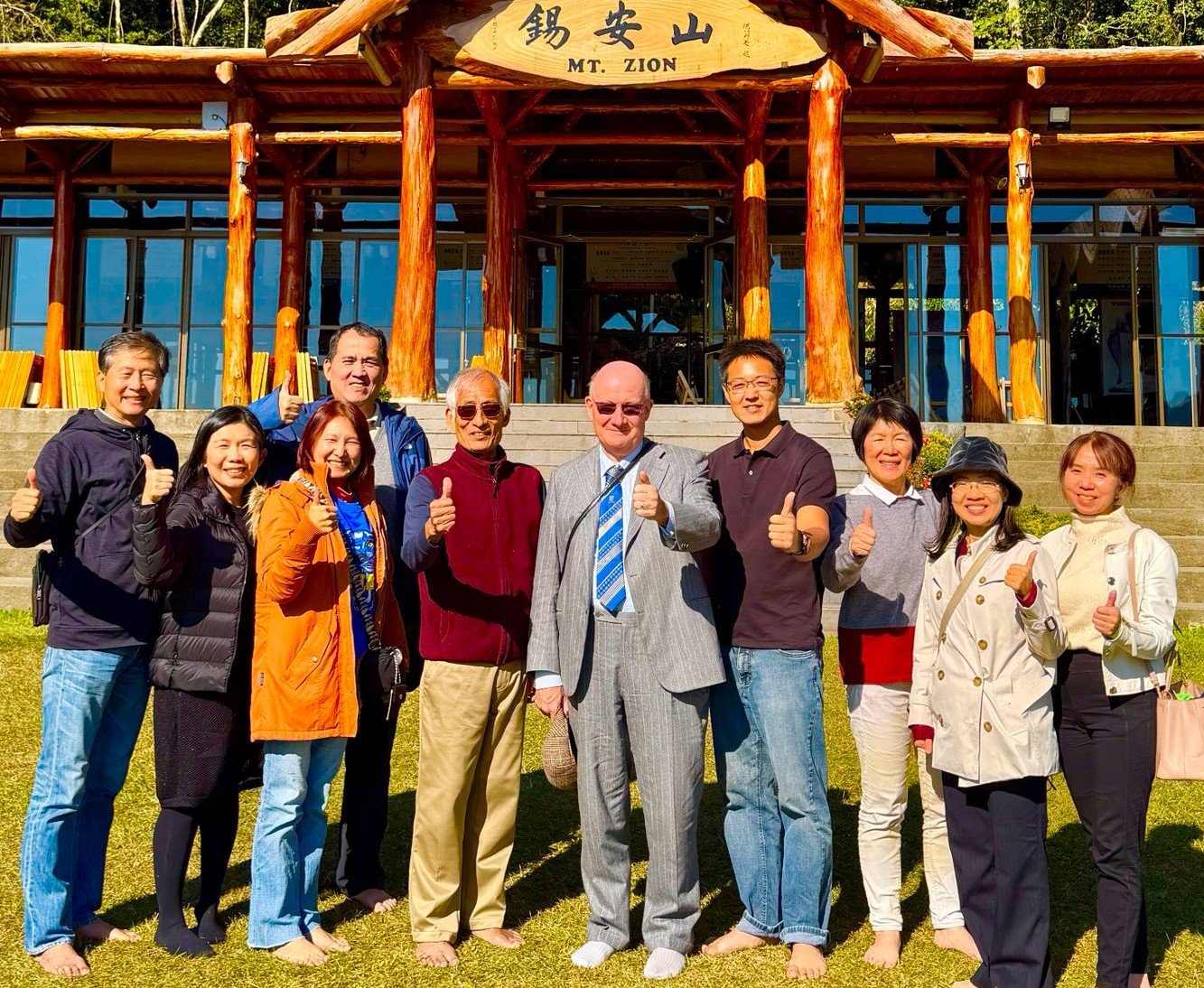
When I visited Mount Zion in January 2026, I was struck by how deeply the landscape itself seemed to carry the memory of a story that began far from Taiwan’s southern mountains. The New Testament Church (NTC), whose headquarters now sit quietly among terraced fields and prayer halls, did not originate as a rural Taiwanese movement. Its roots lie instead in the cosmopolitan world of postwar Hong Kong, in the life of a woman who was, at the time, one of the most recognizable actresses in the Cantonese film industry.
Understanding how a glamorous movie star became the founder of a millenarian Christian movement is essential to understanding why Mount Zion exists at all—and why it later became the site of one of Taiwan’s most dramatic confrontations between a religious community and the state.
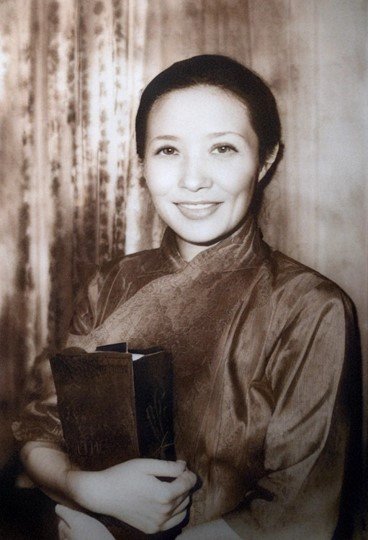
The story begins with Mui Yee (Kong Duen Yee), whose conversion to Christianity as “Sister Kong” in the late 1950s marked a dramatic shift from her public persona. Her preaching was intense, urgent, and unpolished, but it resonated with audiences across Hong Kong and Southeast Asia. She proclaimed that God was restoring the apostolic church of the New Testament, that the end times were approaching, and that a new spiritual authority was being raised to prepare the faithful.
Her message was uncompromising: the world was divided between those who belonged to God and those who belonged to the devil. This stark dualism, which Paul J. Farrelly, in his pioneering 2012 study of Mount Zion, later identified as one of the defining features of the movement’s early theology, attracted followers seeking clarity in a rapidly changing world.

Mui Yee’s death in 1966 could have ended the movement. Instead, it opened the way for a new phase. Leadership passed to a young Taiwanese pastor, Elijah Hong, who had left the Assemblies of God after becoming dissatisfied with what he saw as spiritual stagnation. Not all of Mui Yee’s followers in Hong Kong acknowledged Hong, but many did. Hong was not a flamboyant figure like Mui Yee; he was quiet, disciplined, and deeply committed to prayer. Yet he shared her conviction that God was restoring the apostolic church and believed that this restoration required not only new teaching but also a new sacred geography.
This conviction led Hong and several companions into Taiwan’s southern interior in 1963, where they sought “the mountain which God would show us.” The group eventually reached a remote site in Kaohsiung, where Hong experienced a revelation that he interpreted as parallel to Jacob’s dream in Genesis 28. He believed he had found the new Mount Zion, the place where God would dwell in the last days. Farrelly noted how Hong’s interpretation blended biblical typology with Taiwanese religious sensibilities, particularly the sacralization of mountains. This fusion would become one of the NTC’s defining characteristics.
Under Hong’s leadership, the movement began to shift its center of gravity from Hong Kong to Taiwan. The mountain in Kaohsiung—soon renamed Mount Zion—became the focal point of a growing community. Followers built simple dwellings, cleared land for farming, and established a rhythm of prayer and work that reflected their belief that they were living on consecrated ground. The community’s theology was unapologetically millenarian: the Tribulation was imminent, the faithful needed to prepare, and Mount Zion would play a central role in the unfolding of the end times. This eschatological vision gave the community a sense of purpose that transcended the hardships of mountain life.

Yet the NTC’s growing presence on Mount Zion soon attracted the attention of the Taiwanese state, which at the time was governed under Martial Law. The Kuomintang (KMT) regime viewed independent religious communities with suspicion, particularly those that operated outside established denominational structures or attracted followers through charismatic leadership. The NTC, with its unconventional theology, communal lifestyle, and foreign origins, fit neatly into the category of groups the state considered potentially subversive.
The first major confrontation occurred in 1974, when the government annulled the household registration certificates of Mount Zion residents. This seemingly technical administrative measure had devastating consequences. Without valid registration, residents were treated as illegal occupants. Police checkpoints were erected at the base of the mountain. Officers conducted raids, interrogated members, and confiscated property. Homes were demolished. Families were forced to leave the mountain and seek temporary shelter on the riverbed below. The community’s spiritual sanctuary had become a battleground.
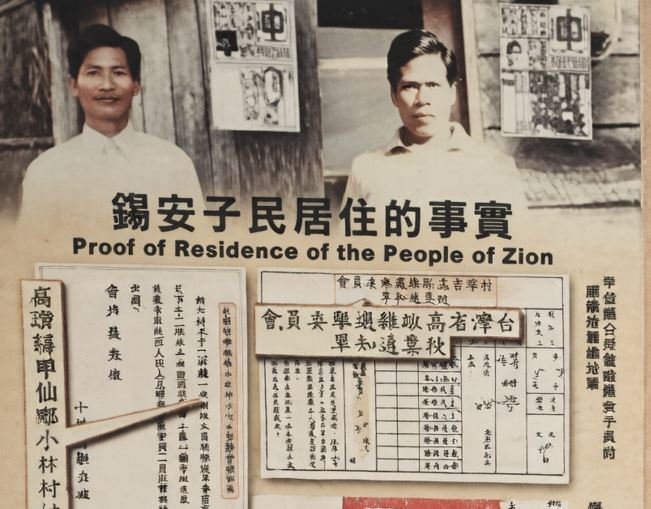
The NTC challenged the government’s actions in court, and in 1980, the Supreme Administrative Court ruled that the household registrations had been valid all along. But the ruling came too late to prevent the damage. The community had already been displaced, its homes destroyed, its members scattered. The legal victory did not translate into immediate relief. The state continued to treat the community with suspicion, and the pressure intensified in the 1980s.
From 1980 to 1986, reorganized NTC communities were again targeted by police. This time, the violence was severe. Members were arrested and beaten, some suffering lasting injuries. One pastor was nearly killed. The brutality shocked observers, including international Protestant networks. American religious organizations began to pressure Taiwan to reconsider its treatment of the movement. The political climate was beginning to shift. Martial Law was nearing its end, and Taiwan was preparing for a transition to democracy.

In 1987, the government finally allowed the NTC to return to Mount Zion. The community rebuilt its homes, restored its farms, and resumed its rhythm of prayer and work. But the memory of persecution remained central to its identity. The years of exile were interpreted as a spiritual trial. The community saw itself as having been tested by God and vindicated through endurance. This interpretation shaped the NTC’s self‑understanding long after the immediate conflict with the state had ended.
The return to Mount Zion did not resolve all tensions. The legal status of the land remained ambiguous, and the community continued to navigate a complex relationship with local authorities. But the period of overt repression had ended, and the NTC entered a new phase of consolidation. The movement expanded its global network, establishing “Offshoots of Zion” in Malaysia, South Africa, Australia, New Zealand, the United States, and the Pacific. These communities shared the NTC’s theology and looked to Mount Zion as their spiritual center, but they developed their own local histories and practices.
By the time I visited in 2026, the NTC’s early history had become a foundational narrative that shaped every aspect of community life. The origins in Hong Kong, the revelation of Mount Zion, the years of persecution, the exile, the return—these events were not simply historical facts but elements of a living tradition. They explained why the community existed, why it remained on the mountain, and why it continued to interpret its life through a theological lens that saw divine purpose in every hardship.
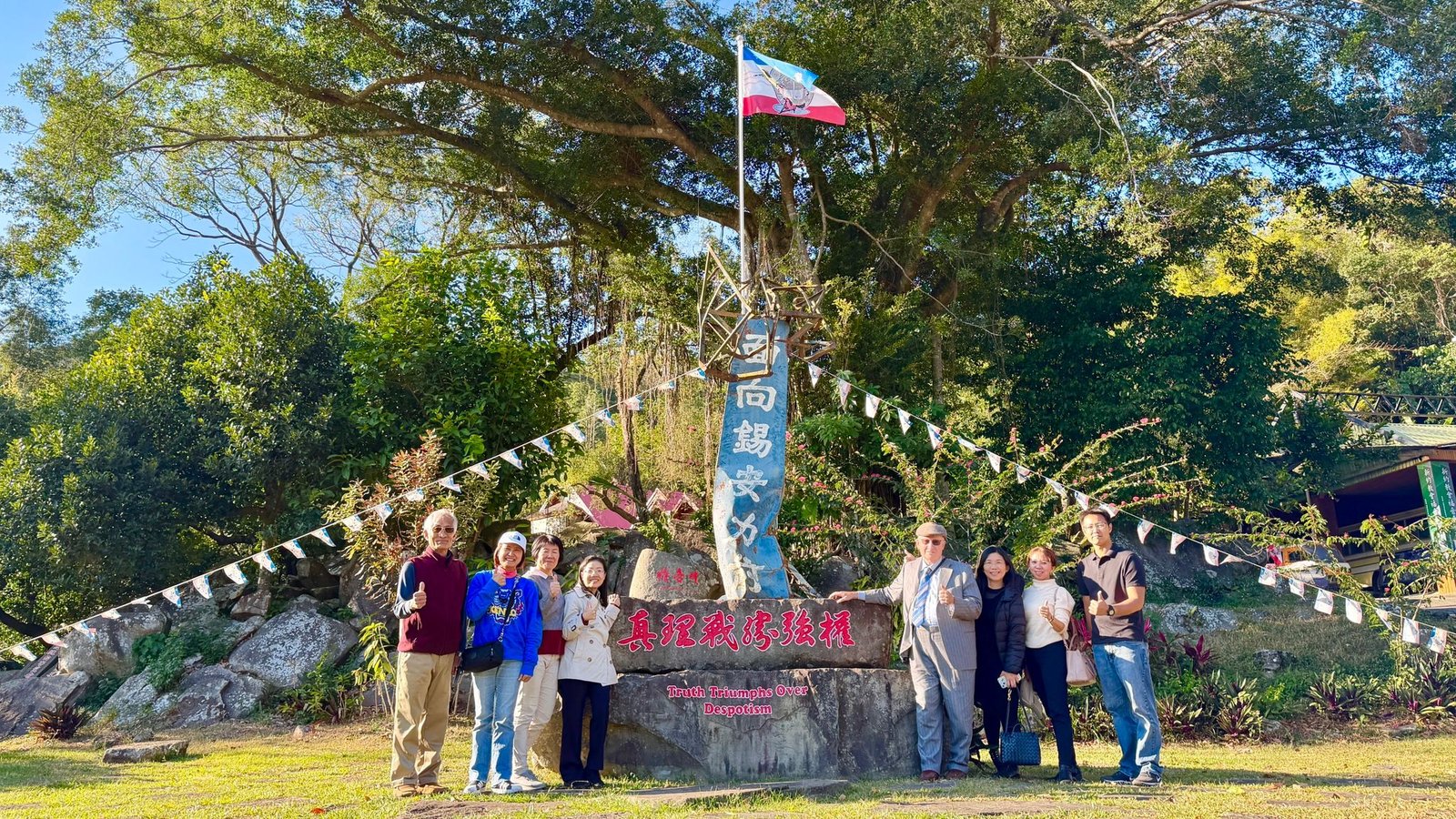
Yet, when one encounters Mount Zion in 2026, the first impression is not of a community living in the shadow of its past, but of one that has learned to inhabit its history without being defined by it. The dramatic events that shaped the New Testament Church (NTC) in the 1970s and 1980s have not been forgotten and are, in fact, commemorated in a well-organized museum. Still, they have been integrated into a broader narrative of continuity, adaptation, and global expansion. What emerges today is a movement that has matured into a stable religious community with a distinctive identity, a transnational presence, and a renewed sense of purpose.
The most significant development in recent years is the leadership transition that followed the death of Elijah Hong on 16 January 2025. For decades, Hong had been the central figure of the NTC, the interpreter of revelation and the custodian of the community’s theological coherence. His passing inevitably raised questions about succession, continuity, and the movement’s future direction. Yet the transition unfolded with a calmness that surprised even some long‑time observers. On 7 September 2025, the community accepted a revelation identifying Ms. Hsu Li‑Chu as the new vessel and Chief Apostle. This was a core theological affirmation: the NTC believes that the apostolic line, interrupted after the biblical John and restored through Mui Yee, continues through Hong and now through Hsu.

The acceptance of Hsu’s leadership reflects the community’s confidence in its own theological framework. The NTC has always understood itself as a restored apostolic church, guided not by institutional structures but by divine revelation. This understanding provides a built‑in mechanism for succession. The authority of the apostle does not derive from charisma, education, or seniority, but from revelation. As a result, the transition to Hsu did not require the community to renegotiate its identity; it simply required it to recognize the next link in a chain it already believed existed. The process was therefore theologically coherent and socially stabilizing.
Daily life on Mount Zion today reflects this stability. The community’s rhythm is structured yet flexible, combining prayer, work, and communal activities in a way that reinforces its sense of purpose. The early morning prayer meetings remain central, but the atmosphere is less marked by the urgency of imminent persecution and more by the quiet expectation of eschatological fulfillment. The community’s educational practices, centered on homeschooling and internal instruction, continue to reflect its desire to cultivate a spiritual environment unmediated by external influences. Yet the tone is not defensive; it is simply consistent with a worldview that sees Mount Zion as a consecrated space.
Economically, the community has developed a sophisticated system of self‑reliance. The agricultural activities that once primarily served to sustain the residents have expanded into a diversified production network. The ostrich farm, mushroom cultivation, fishponds, organic egg production, and the raising of rabbits and deer are not isolated ventures but components of an integrated agricultural ecosystem. This system supports both the residents and the Offshoots of Zion abroad. It also reinforces the community’s theological conviction that Mount Zion is a place of divine provision. The land’s productivity is interpreted as a sign of God’s favor.

The global dimension of the NTC is more pronounced today than at any previous point in its history. The Offshoots of Zion in Malaysia, South Africa, Australia, the United States, and England have matured into stable communities with their own local dynamics. The South African community at Mount Hermon, for example, plays a significant role in supplying wheat to Taiwan, creating a tangible link between the two mountains. The Australian communities have developed their own rhythms of worship and work, shaped by local conditions but oriented toward Mount Zion as their spiritual center. The American communities in California and New York maintain regular contact with the Taiwanese headquarters and participate in the movement’s global activities. There are now some 300 residents in Mount Zion, and 1,000 outside the headquarters, including non-resident members and those in the Offshoots abroad.
The NTC understands itself as a transnational movement preparing for the eschatological events described in the Book of Revelation. The Offshoots of Zion share in this mission, creating a network of communities that are geographically dispersed but spiritually unified. This unity is reinforced through regular communication, shared liturgical practices, and the recognition of Mount Zion as the movement’s spiritual axis.
Despite this internal stability and global expansion, the NTC’s relationship with the Taiwanese state remains shaped by unresolved legal issues. The question of land ownership, which dates back to the conflicts of the 1970s and 1980s, has never been fully resolved. The community’s return to Mount Zion in 1987 did not settle the underlying administrative ambiguities. In 2026, members still expressed concern about the land’s legal status. The memory of past persecution remains vivid, and a mixture of caution and resilience characterizes the community’s relationship with the state. The NTC does not expect renewed repression, but it remains aware that the same administrative mechanisms that once displaced it could, in theory, be activated again.
NTC’s experience offers a valuable lens for examining broader patterns in Taiwan’s treatment of new spiritual movements. The comparison with Tai Ji Men is particularly instructive because the two movements differ so dramatically in theology, structure, and practice. The NTC is a charismatic Christian community with a millenarian worldview and a communal lifestyle. Tai Ji Men is a menpai of Qigong and self‑cultivation, with no communal living and no eschatological claims. Yet both have encountered similar forms of state suspicion.
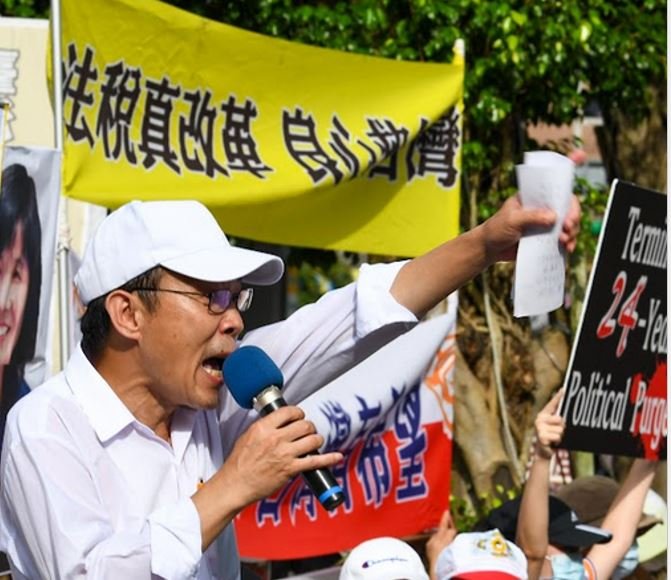
The mechanisms of that suspicion differ across eras. The NTC faced repression during Martial Law, when the state’s authority was expansive and unrestrained. The tools were blunt: police raids, forced evictions, physical violence. Tai Ji Men’s difficulties emerged in a democratic era, when the state’s power was mediated through law and bureaucracy. The tools were subtler: tax bills, administrative procedures, and the inertia of state agencies. But the underlying logic is similar. In both cases, the state interpreted autonomy as a potential threat. In both cases, legal instruments were used to exert pressure. In both cases, the judiciary eventually recognized the injustice, but administrative agencies continued to act independently.
The comparison also highlights the evolution of Taiwan’s political culture. The NTC’s persecution occurred in a context where dissent was dangerous, and the state’s legitimacy was fragile. Tai Ji Men’s case unfolded in a context where civil society is strong, the media is free, and the courts are independent. Yet the persistence of the Tai Ji Men case demonstrates that democratization does not automatically eliminate the habits of authoritarian governance. Bureaucratic structures can retain old patterns of behavior even when the political system changes. The logic of control can survive the transition from authoritarianism to democracy, adapting to new circumstances and new instruments. Prosecutors and tax bureaucrats can manipulate the media.
What Mount Zion offers, therefore, is a long-term perspective on the challenges of religious freedom in Taiwan. It shows how deeply rooted suspicion of unconventional spiritual movements can be, how easily administrative categories can become tools of exclusion, and how difficult it is to fully disentangle the present from the legacies of the past. At the same time, Mount Zion demonstrates the resilience of spiritual communities, also exemplified by Tai Ji Men. The NTC survived exile, violence, and legal uncertainty. It rebuilt its home, expanded its global network, and navigated a major leadership transition without losing its identity.
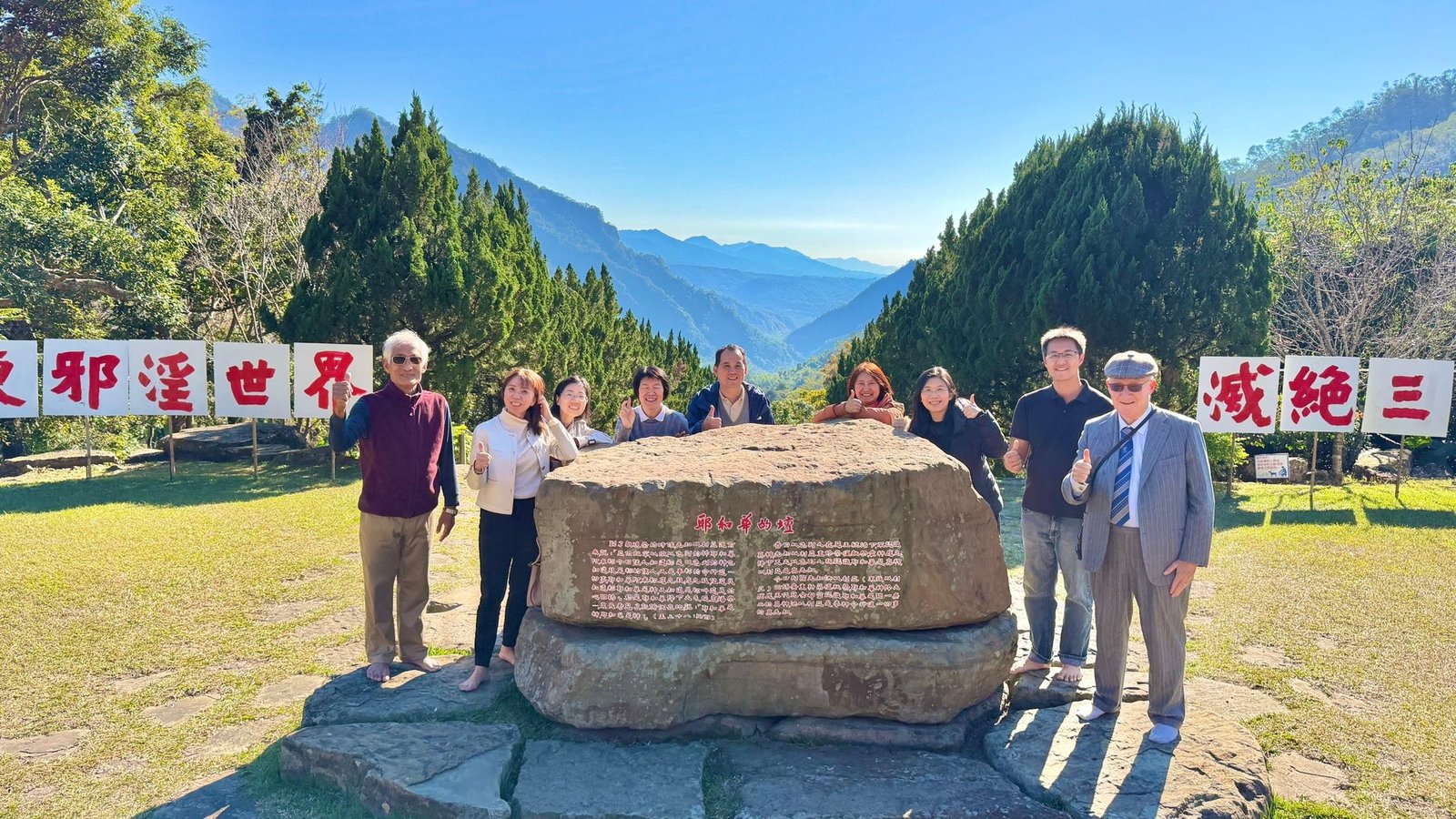
The comparison with Tai Ji Men underscores the need for continued vigilance in protecting spiritual autonomy. Taiwan has made remarkable progress since the end of Martial Law, but the persistence of cases like Tai Ji Men shows that the work is not finished. The lessons of Mount Zion—its suffering, its endurance, its capacity to adapt—remain relevant. They remind us that freedom of religion or belief is an ongoing negotiation between state power and spiritual conviction.
Mount Zion in 2026 is a living archive of this negotiation. It is a place where history is remembered and enacted, where the past informs the present, and where the future remains open.
Interestingly, I visited Mount Zion together with several Tai Ji Men dizi (disciples). And by examining the NTC’s journey alongside that of Tai Ji Men, we gain a clearer understanding of the complexities of state–religion relations in Taiwan and the importance of ensuring that all spiritual movements, whether ancient or new, can flourish without fear.

Massimo Introvigne (born June 14, 1955 in Rome) is an Italian sociologist of religions. He is the founder and managing director of the Center for Studies on New Religions (CESNUR), an international network of scholars who study new religious movements. Introvigne is the author of some 70 books and more than 100 articles in the field of sociology of religion. He was the main author of the Enciclopedia delle religioni in Italia (Encyclopedia of Religions in Italy). He is a member of the editorial board for the Interdisciplinary Journal of Research on Religion and of the executive board of University of Pennsylvania Press’ Nova Religio. From January 5 to December 31, 2011, he has served as the “Representative on combating racism, xenophobia and discrimination, with a special focus on discrimination against Christians and members of other religions” of the Organization for Security and Co-operation in Europe (OSCE). From 2012 to 2015 he served as chairperson of the Observatory of Religious Liberty, instituted by the Italian Ministry of Foreign Affairs in order to monitor problems of religious liberty on a worldwide scale.