Administration, taxation, and media narratives are the new arenas of religious controversy and discrimination.
Wang Yu-Ran*
*A paper presented at the Fourth World Conference for Religious Dialogue and Cooperation, Skopje, North Macedonia, June 24, 2026.
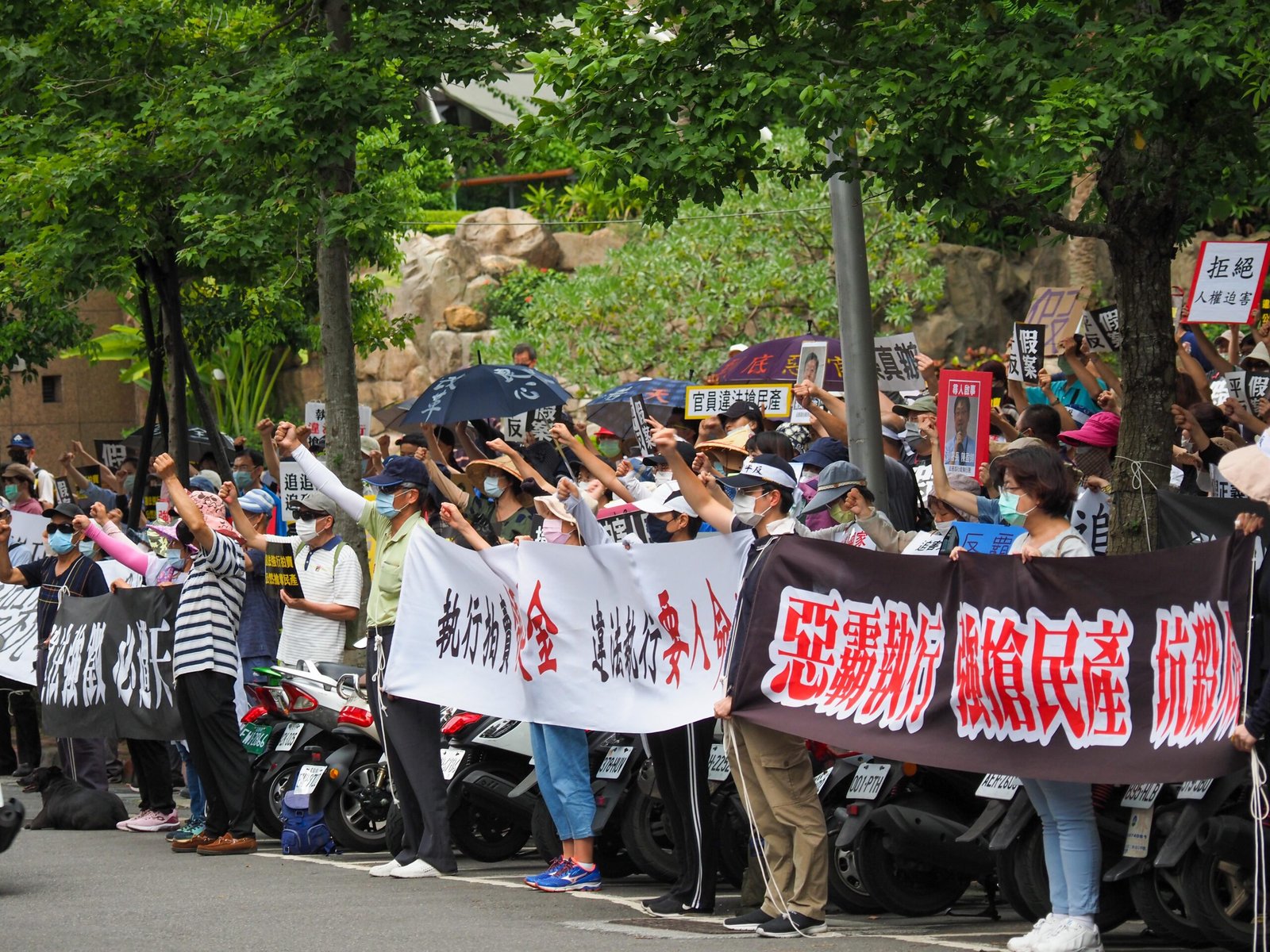
Today, I stand before you not as an expert or a government representative, but as a law student and a young person who has personally experienced institutionalized religious conflict.
This dual identity gives me a unique perspective. On one hand, my legal education trains me to analyze institutions, power, and procedure. On the other hand, as a member of an ancient qigong and martial arts self-cultivation tradition, I understand how faith is treated within modern systems. It is from the intersection of these two experiences that I offer my observations today.
When we talk about religious conflict, we often think of wars, violence, or extremism. But in modern rule-of-law societies, religious conflict has taken a different form. It no longer appears through weapons or armies. Instead, it operates through systems such as law, administration, taxation, and even media narratives.
In this form, religion is no longer the actor of conflict, but becomes the object of governance. It is redefined, labeled, and managed. This makes conflict appear nonviolent, but its impact can still be long-term and deeply harmful.
The Tai Ji Men case is one example of this phenomenon. Tai Ji Men is a spiritual and cultural group based on qigong, self-cultivation, love, peace, and conscience. However, due to false accusations and systemic imbalance, it has faced legal and administrative difficulties for nearly three decades—and this year marks its 30th year.
As other speakers in this session have already discussed, the case illustrates how state power can be misapplied through administrative and fiscal mechanisms, even after judicial findings clarify the facts.
In theory, the rule of law exists to limit power and protect human rights. But in this case, even after the Supreme Court confirmed the facts, administrative actions were not corrected. This reveals a serious problem: when institutions fail to correct errors and unlawful actions are tolerated, the rule of law begins to lose its purpose.
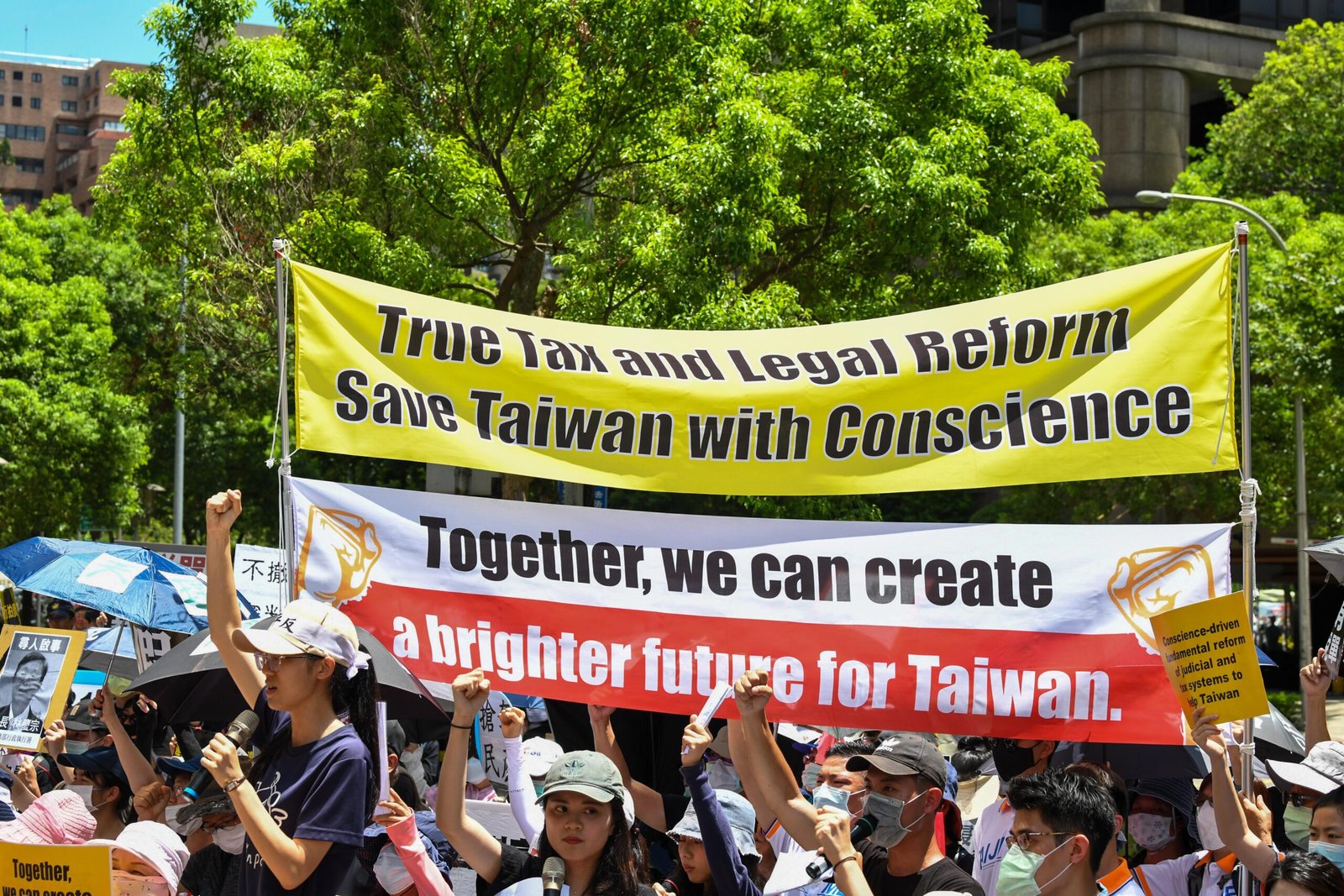
This brings me to my central argument: when those who enforce the law lose their conscience, the law itself can become a tool of harm.
The problem is not the absence of law. The problem is that the law can be operated without ethical responsibility. In other words, a system can appear legal, but still produce unjust outcomes. So the question is: what kind of system design can ensure that power is properly constrained and cannot be misused?
The answer lies in transparency and integrity. These are not only personal virtues, but institutional principles. When decision-making is transparent, power can be supervised. When officials act with integrity, the law serves justice instead of oppression. Governments should ensure transparent processes, accountability mechanisms, and independent review.
But even the best system cannot replace conscience. Institutions create rules. But people apply them. And legality does not always mean justice. Conscience asks: Is this fair? Does it respect human dignity? Does it protect freedom of belief?
However, the Tai Ji Men case also shows another possibility. Religion is not destined to become a tool of conflict. It can become a force for conscience, peace, and social healing. For decades, Dr. Hong has led Tai Ji Men disciples across five continents, and it has now reached 123 countries. Through cultural exchange, public service, and conscience education, they demonstrate how spiritual communities can promote peace and ethical reflection. This is also a call to institutional conscience: even when law fails, conscience can remain the final line of defense.
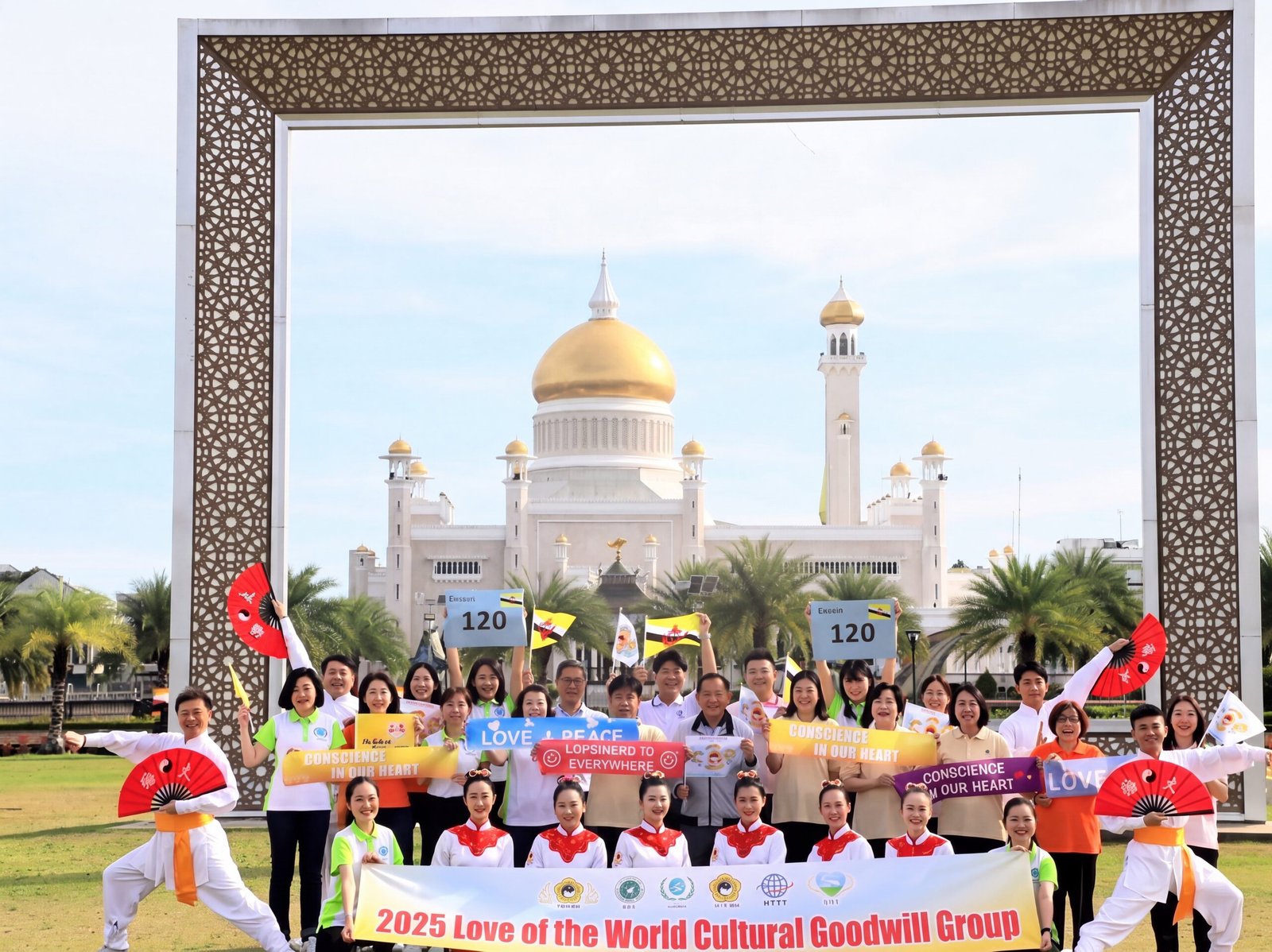
Last year, I also had the opportunity to visit Brunei with my Shifu (Grand Master). There, I learned that good governance is not only about institutional design, but also about conscience. Even without an income tax, the government maintains welfare and public health care and uses policies such as a sugar tax to protect public health. This shows that when leaders truly care about people, trust and social stability naturally follow.
Finally, when we reflect on religion as a tool of conflict, we must also recognize its future potential. Religion does not have to be weaponized. It can become a guardian of conscience and peace. The Tai Ji Men case reminds us: institutional injustice can be corrected. Ethics can correct legal shortcomings. And the mission of religion—to protect human dignity and peace—can still be fulfilled.

Wang Yu-Ran is a law student whose research interests include financial law, technology law, and human rights. As a Tai Ji Men dizi and a volunteer, she actively participates in cross-cultural exchange, conscience education, and peace initiatives. She has also participated in the International Conference of Chief Justices of the World in India.