Far from “home,” Uyghur youth are fanning the flames of their culture abroad.
by Ruth Ingram
Uyghurs in their homeland have been shot or sentenced to life in jail for less. But away from the punitive reach of China, young Uyghur exiles in Europe are enjoying a cultural renaissance and learning to be “Uyghur” again.
With a Sinicization process in full flow across the Uyghur region of Northwest China, spontaneous expressions of Uyghur culture are frowned upon and often criminalized.
To ensure traditions are preserved among exiled youth, a campaign is underway across Europe to awaken national pride in the next generation and instill a love of music and the arts.
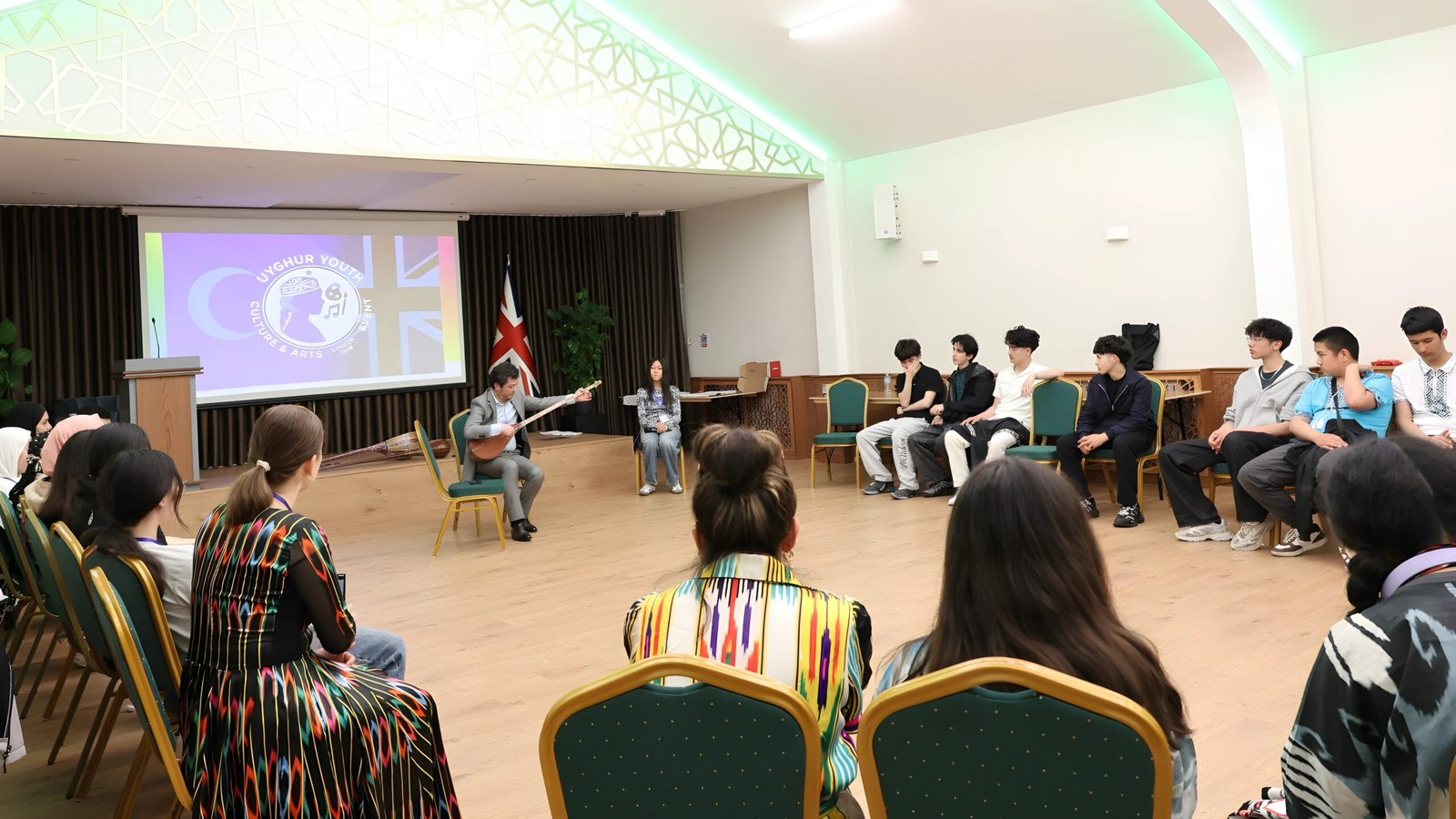
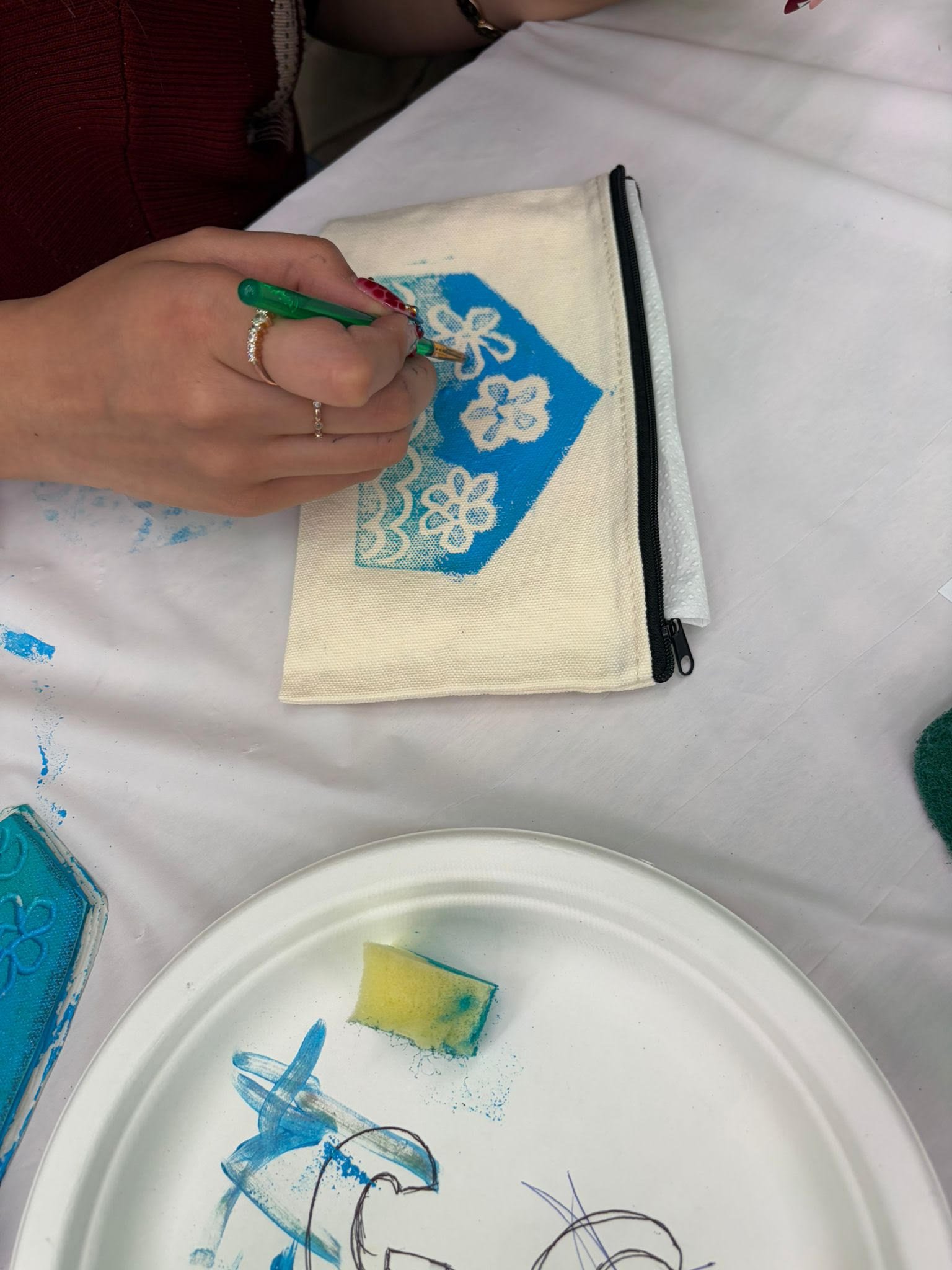
For the past three years, Uyghur teenagers have been gathering under the guidance of community leaders. This year, the UK Uyghur Community was host to 33 young people in London for a three-day program where they learned to play traditional instruments, write their own poetry, and create Uyghur-style art forms.
The essence of the event was Meshrep, once the bedrock of Uyghur society: a traditional community gathering combining music, dance, poetry, storytelling, food, and discussion of community issues, sometimes involving discipline, mediation, and ethical instruction.
Recognized by UNESCO as an Intangible Cultural Heritage of Humanity in 2008 for its role in community self-regulation, identity maintenance, and intergenerational continuity, it has been branded by the CCP since 2017 as an existential threat to Chinese state values and, in its centuries-old form, banned.
It has been replaced by a state-sanitized version that has eliminated allusions to Uyghur history and religion and replaced them with references to patriotism, ethnic unity, and anti-extremism. Although to keep up the appearance of preserving intangible cultural heritage, staged Meshrep performances are shown on television and travel from village to village, they are now barely recognizable; a shadow of their former selves, carefully curated and manipulated by Beijing to promote Communist and Chinese values.
The London event was co-organized by the Norway-based Uyghur Hjelp Foundation and the UK Uyghur Community. The founder of Hjelp, academic Abduweli Ayup, who has spearheaded the youth Meshrep initiative, told “Bitter Winter” of his aim to help Uyghur young people become friends and build their sense of identity. “We really want to instill a pride in being Uyghur and let them enjoy their culture,” he said. The teenagers’ response was resoundingly positive, he said.
Young people born and raised outside their homeland have difficulty identifying with the culture of their parents’ birthplace. Once children reach the age of ten, they become shy and have difficulty forming relationships, according to Abduweli, who created an event in which youngsters would naturally start cooperating on tasks and in fun games. “Although Uyghur weekend schools exist, kids don’t really want to attend after the age of 12,” he said; hence the idea of the cultural program.
Through a variety of approaches over the past four years, the teenagers have been exposed to Uyghur life and the development of Uyghur culture throughout its considerable history. He has found that a hands-on approach has always brought culture to life for them. Experimenting with Uyghur clothing over the centuries was a hit this year, as were the various attempts to collaborate in groups on poetry. “Uyghur poetry is such an integral part of our culture,” he said. “I wanted them to start to get a feel for it here.”
Mahire Aisaeva, head of the UK Uyghur Community and organizer of the event, has been concerned about the identity crisis young Uyghurs face as they grow up in a different culture from that of their parents. “They grow up around British life, go to British schools, have British friends, but also their Uyghur culture is handed down from their family,” she told “Bitter Winter.” “Sometimes it is hard to balance both. They can feel as though they do not fully belong on either side. Some cannot speak their Uyghur language very well, or they do not know much about their culture, and this can make them feel sad or lost.”
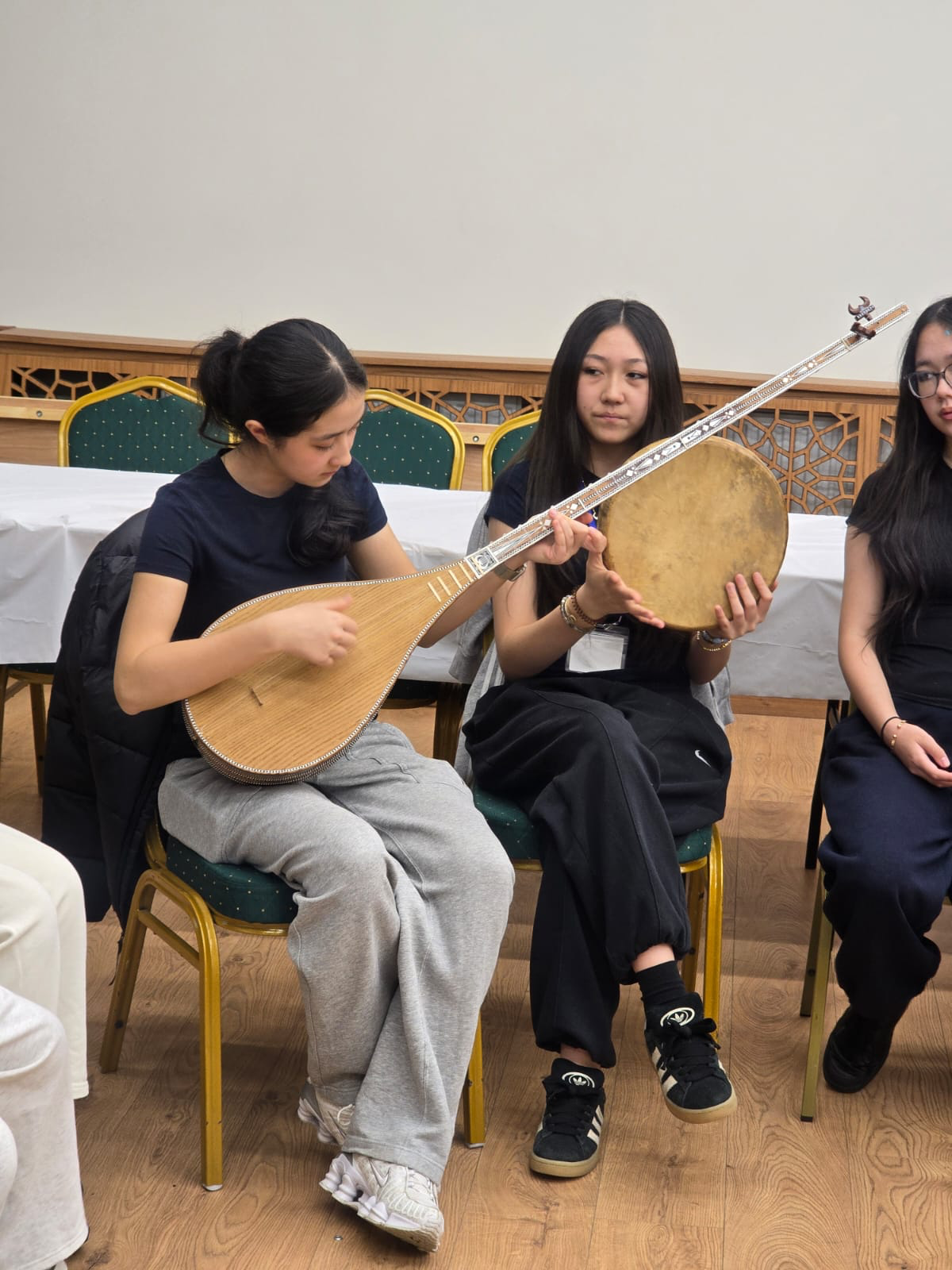
Mirkamil Turkel, a Uyghur music teacher from Norway, together with musician Dilzat Turdi, was keen to acquaint the youngsters with the history and depth of Uyghur music, leading workshops to introduce them to simple rhythms using national instruments.
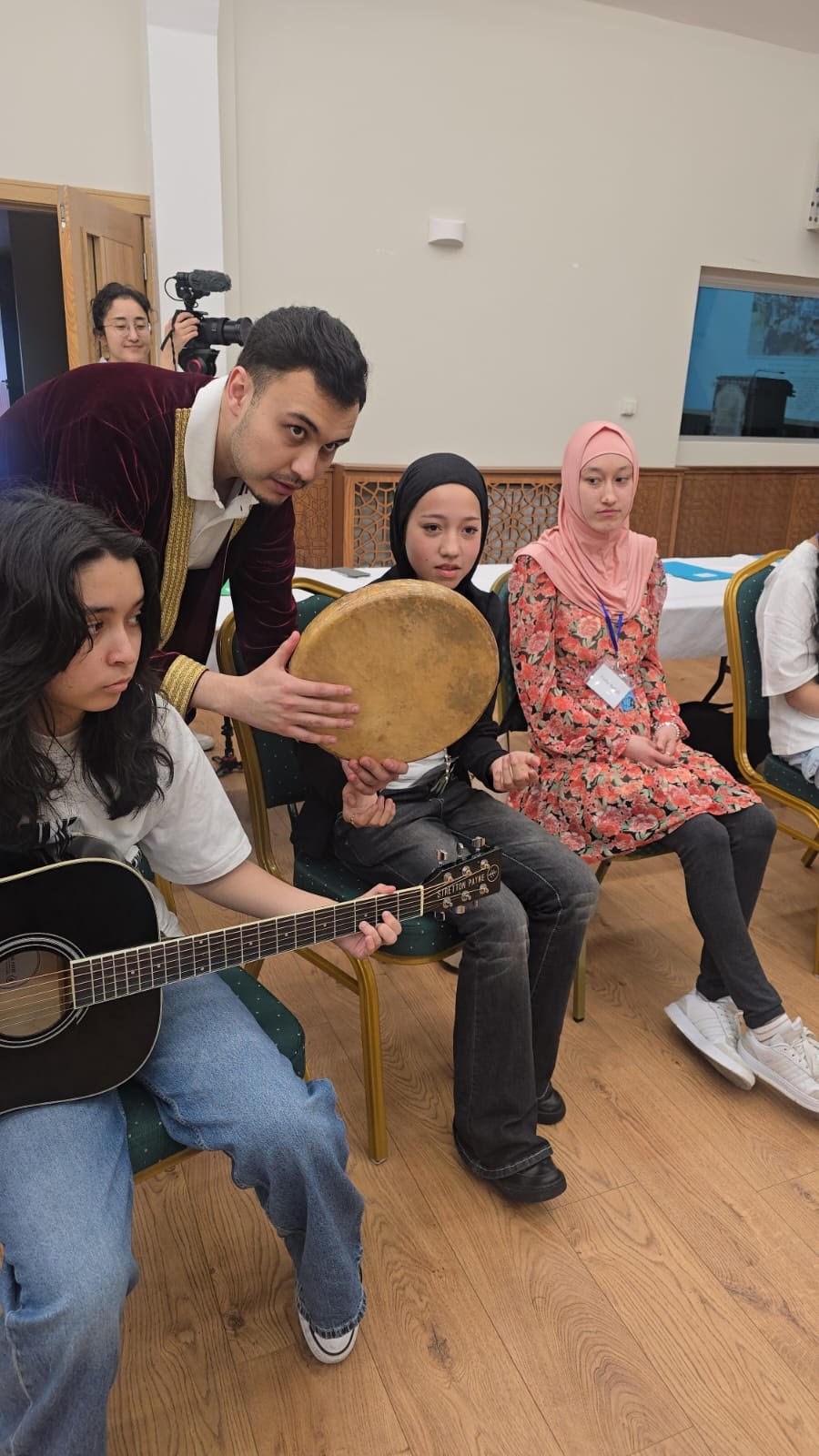
“Music has a unique power—it opens minds and imagination,” he told “Bitter Winter.” “Learning traditional instruments and songs deepens their connection to their identity and increases their interest in their cultural heritage.”
Mirkamil hopes these kinds of events will be an antidote to the rapid cultural assimilation imposed on his people in their homeland. “Because of this, preserving cultural identity in the diaspora becomes even more important,” he said.
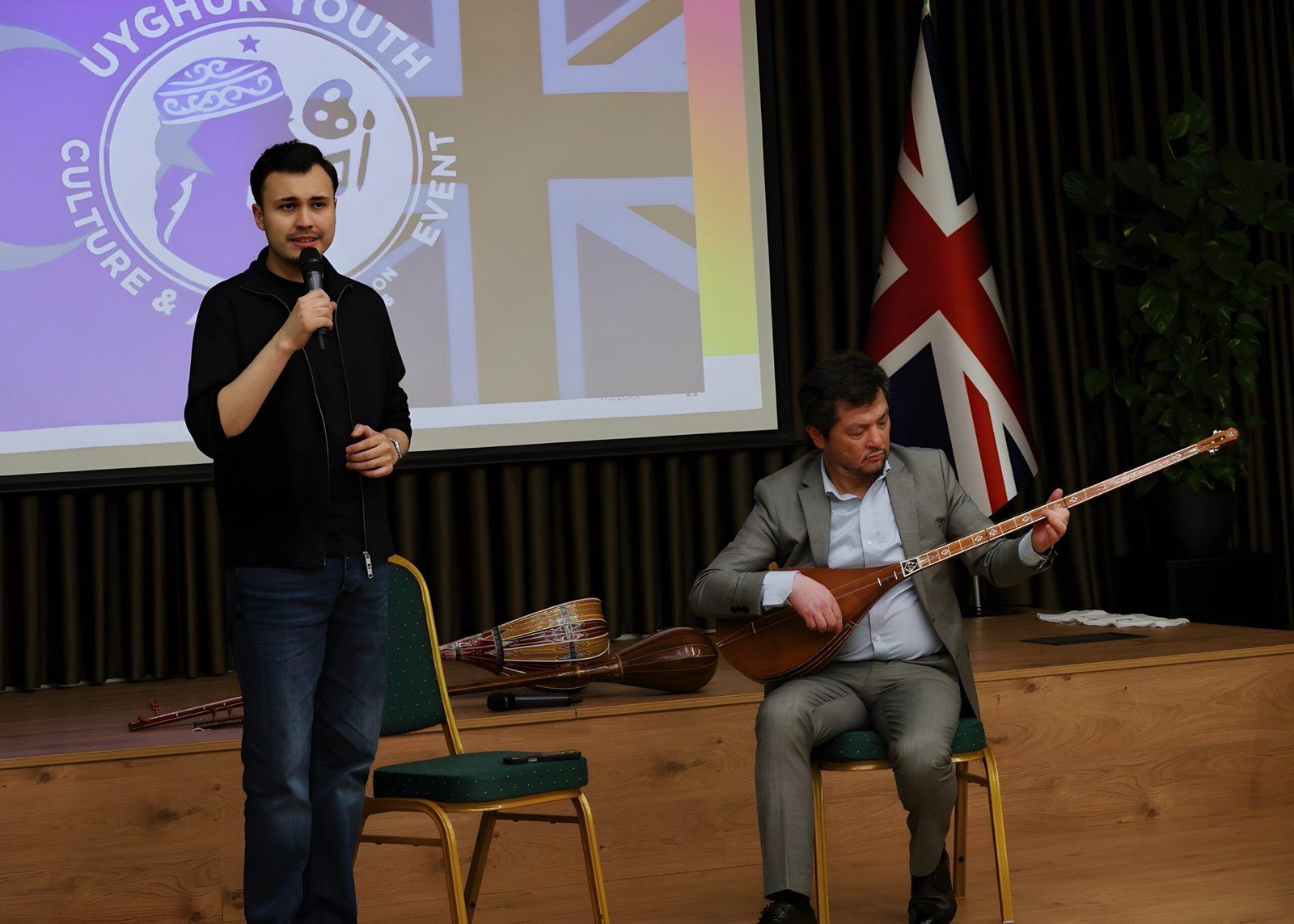
“Uyghurs are one of the oldest ethnic groups in Central Asia with a rich and ancient civilization. Children should understand who they are, where they come from, and why it is important to preserve their identity for future generations,” he said. “Many Uyghur children in Norway grow up trying to balance both identities; being proud to be Norwegian whilst also maintaining a strong connection to their Uyghur heritage.”
Mirkamil is alarmed by the speed of forced acculturation in the Uyghur region. “Dozens of Meshrep songs are banned,” he said. “Any Meshrep, event, or TV show that fails to include Chinese propaganda and praise the Communist Party is no longer permitted by the government.”
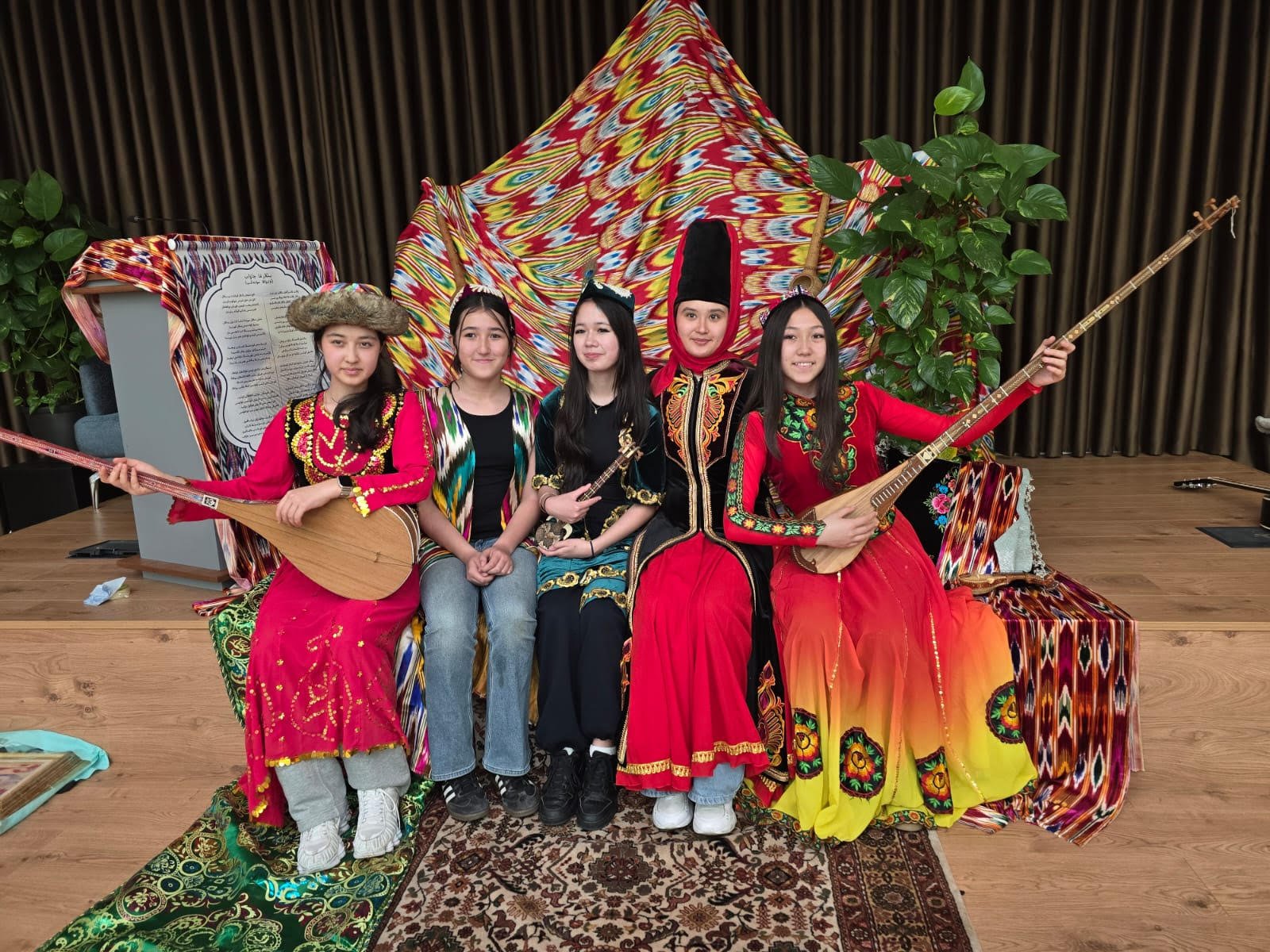
He condemned the CCP for stripping the classical Uyghur “Muqam” musical tradition of religious words, which have now been replaced by politically correct terminology. The Muqam’s oft-repeated refrain “Allah” has been replaced by words such as “friends,” “world,” or “landscape.” “Now being a Uyghur and expressing our cultural identity is a crime,” he said. “Luckily, those kids and parents who attend the event have the opportunity to enjoy their rights,” he added.
Mukaddes Yadigar, co-organizer of the London event, said that her daughters loved it. “They enjoyed it so much and can’t wait until next year when it will be held in the Netherlands,” she said. “Our kids were born in the UK. They have never been able to visit our homeland because of the situation there. This gathering helped them to feel their Uyghurness very keenly.”

Ruth Ingram is a researcher who has written extensively for the Central Asia-Caucasus publication, Institute of War and Peace Reporting, the Guardian Weekly newspaper, The Diplomat, and other publications.