She played a crucial role in alerting the world to the genocide against the Uyghur. Now, she has told her story in a book.
by Ruth Ingram
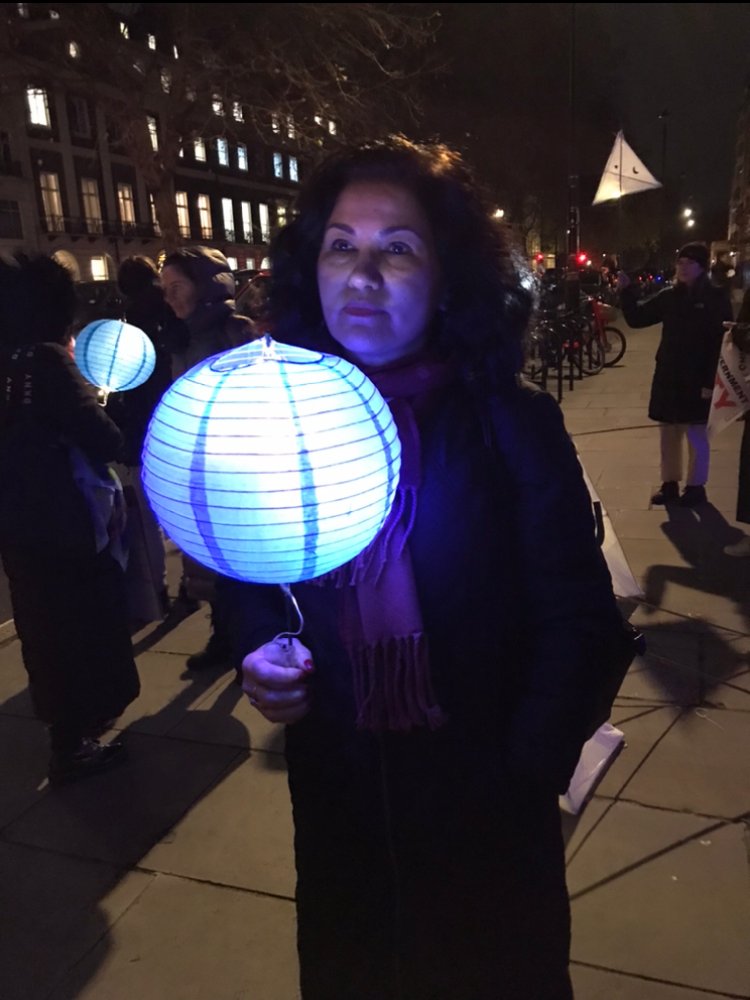
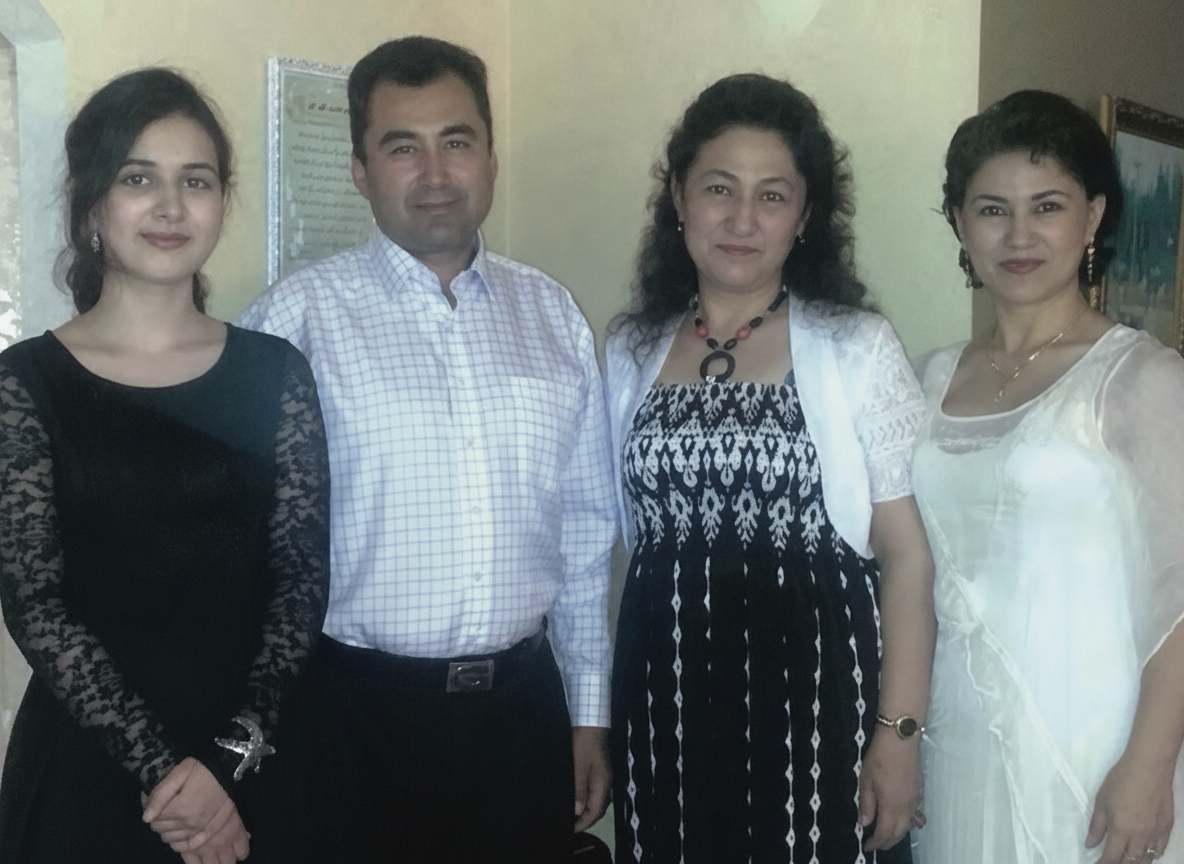
Two years of searching for her missing sister ended abruptly for U.S.-based Rushan Abbas on Christmas Day 2020. The executive director of Campaign for Uyghurs learned that her sister, retired medical doctor Gulshan Abbas, had been sentenced to 20 years in prison two years earlier.
Rushan believes the sentence was retaliation for her public critique of China’s treatment of Uyghurs at the Hudson Institute in 2018. China’s Foreign Ministry spokesman Wang Wenbing later confirmed Gulshan’s fate and denounced her for terrorism, stating that China is a “country ruled by law” where “the law must punish unlawful and criminal activity.”
Gulshan’s disappearance in 2018 pushed Rushan from a career in international program management, not only for her sister but into full-time advocacy for all Uyghurs. Her memoir “Unbroken,” published last year (Toronto: Optimum) and launched recently in Canada, recounts the eight years of activism and personal trauma that followed. She argues that Gulshan’s fate is tied to her own condemnation of “a totalitarian regime’s crimes against humanity and genocide.”
The Canadian launch coincided with remarks by MP Michael Ma, who cast doubt on the extent of Uyghur forced labor in China, calling it “hearsay.”
Rushan writes in the book’s foreword: “This is not just my story. It is the story of all who refuse to be silenced, of all those who decided to stand up to the Goliath that is the Chinese government.”
Following in the footsteps of her father, Abbas Borhan, who documented the horrors of Mao’s Cultural Revolution in his memoir “What I Witnessed,” Rushan weaves his story with hers. She contends the Chinese state’s atrocities against Uyghurs are part of an age-old historical pattern.
For Rushan, Uyghur freedom is “deeply connected to the fight for global human peace and security… and the future of a free world.” She warns: “If we do not use our voice to stand up for human rights today, the only voice left to us tomorrow will be the voice of regret.” She dedicates the book to “those still imprisoned, still unheard.”
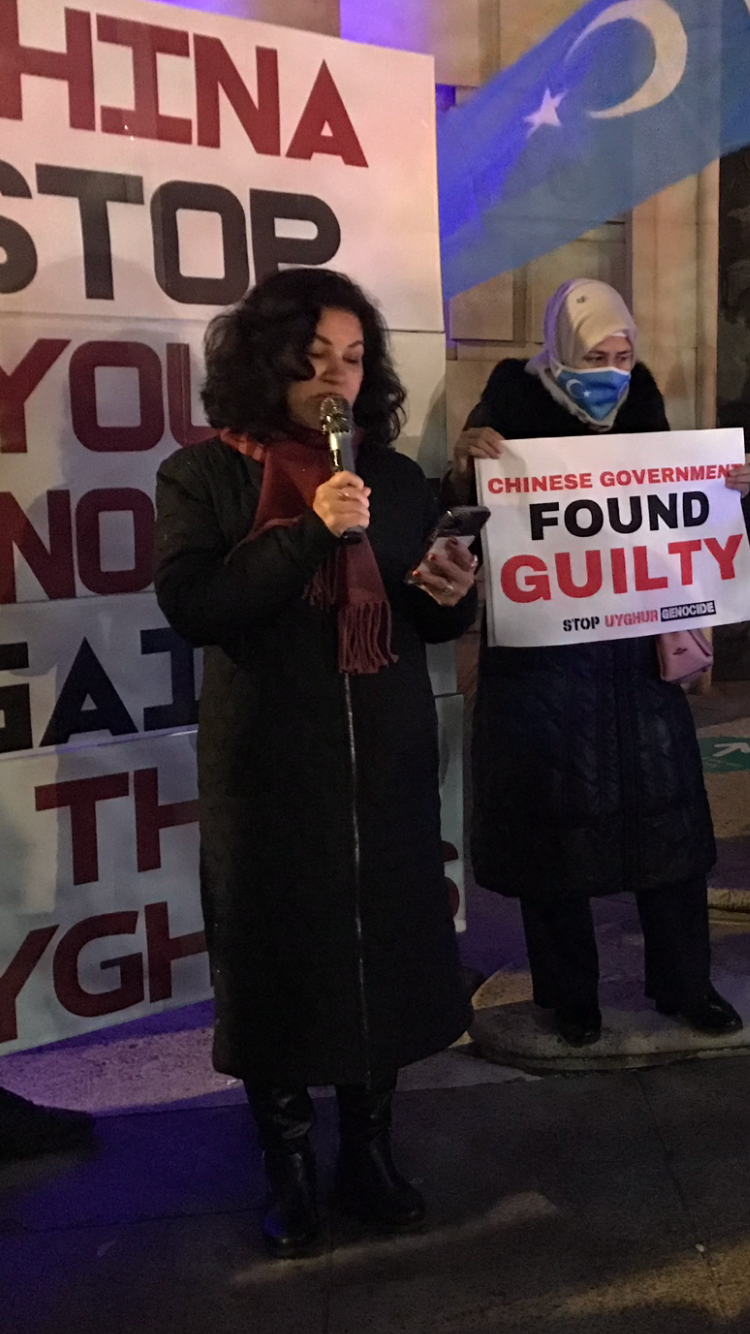
News of forced disappearances and mass internments in early 2018 galvanized her. Her “One Voice, One Step” campaign in March 2018 brought Uyghur women onto the streets demanding justice, sparking a global protest movement that reached the UN.
Chinese Canadian researcher Shawn Zhang’s satellite images of the camp network provided irrefutable evidence of the scale of repression. Presented to the UN Committee on the Elimination of Racial Discrimination on August 10, 2018, the report marked a turning point for the Uyghur issue on the global stage, despite Chinese denials.
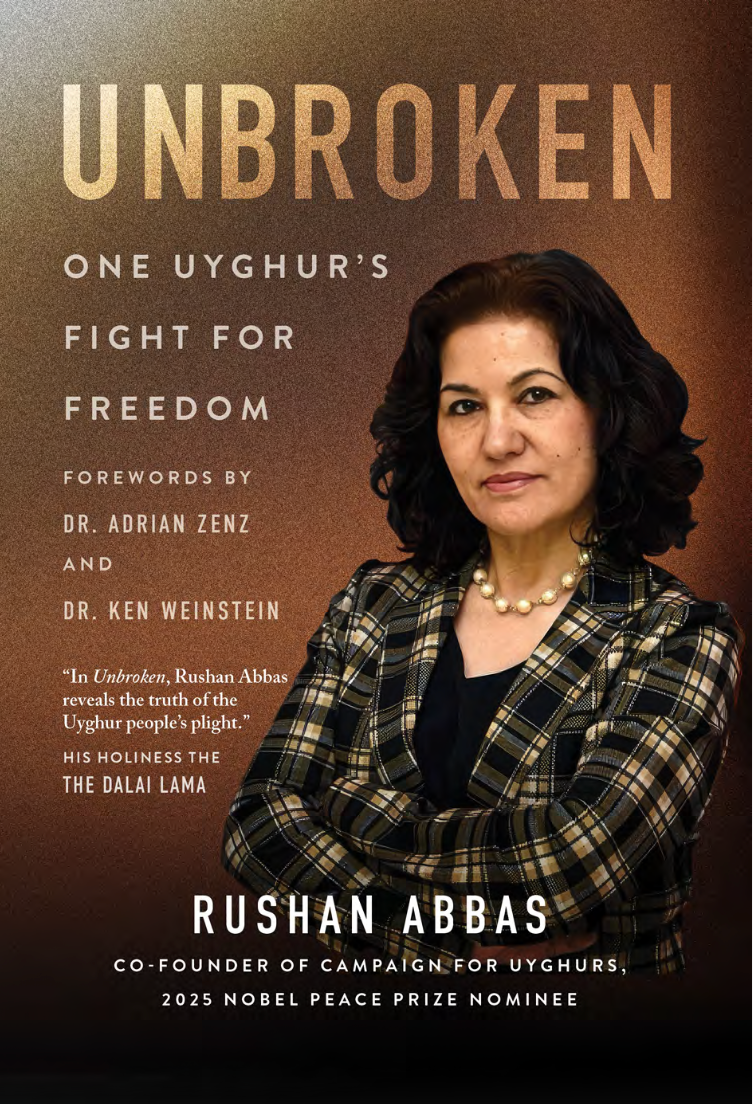
But it was Rushan’s September 5, 2018, scathing critique at the Hudson Institute, where she called it “the largest mass incarceration of an ethnic group after WWII,” that urged the world to act, enraging Beijing and sealing her sister’s fate.
Her organization, Campaign for Uyghurs, grew despite early cyberattacks that destroyed their website and deleted two years of posts. Despite Beijing’s attempts to silence her through threats, intimidation, libel, and smear campaigns, their efforts reached world leaders, the UN General Assembly, academics, and mainstream media.
To explain decades of Chinese repression, Rushan looks back to Mao’s China of the 1960s. “The Chinese regime’s oppression of the Uyghurs did not start with the launch of recent concentration camps,” she writes, citing her father’s memoir.
Uyghurs were hit hard by Mao’s “Hundred Flowers Campaign” of 1956–57, which claimed to let “a hundred schools of thought contend” but in fact cynically drew out dissenters only to crush them in the Cultural Revolution of 1966, when millions died. Rushan’s father, then the chairman of the Biology department at Xinjiang University, was removed and indoctrinated. Infant Rushan herself was wrenched from her mother’s arms as Red Guards took the latter for political re-education.
Students were labeled revisionists, foreign-linked, or local nationalists and blamed for 80% of Xinjiang’s problems. Her father, branded a “local nationalist,” was forced to wear a dunce hat alongside 70–80 teachers. Public slogans echoed more recent 21stcentury rhetoric: “eradicate the demons!” and “eliminate all the pests!”
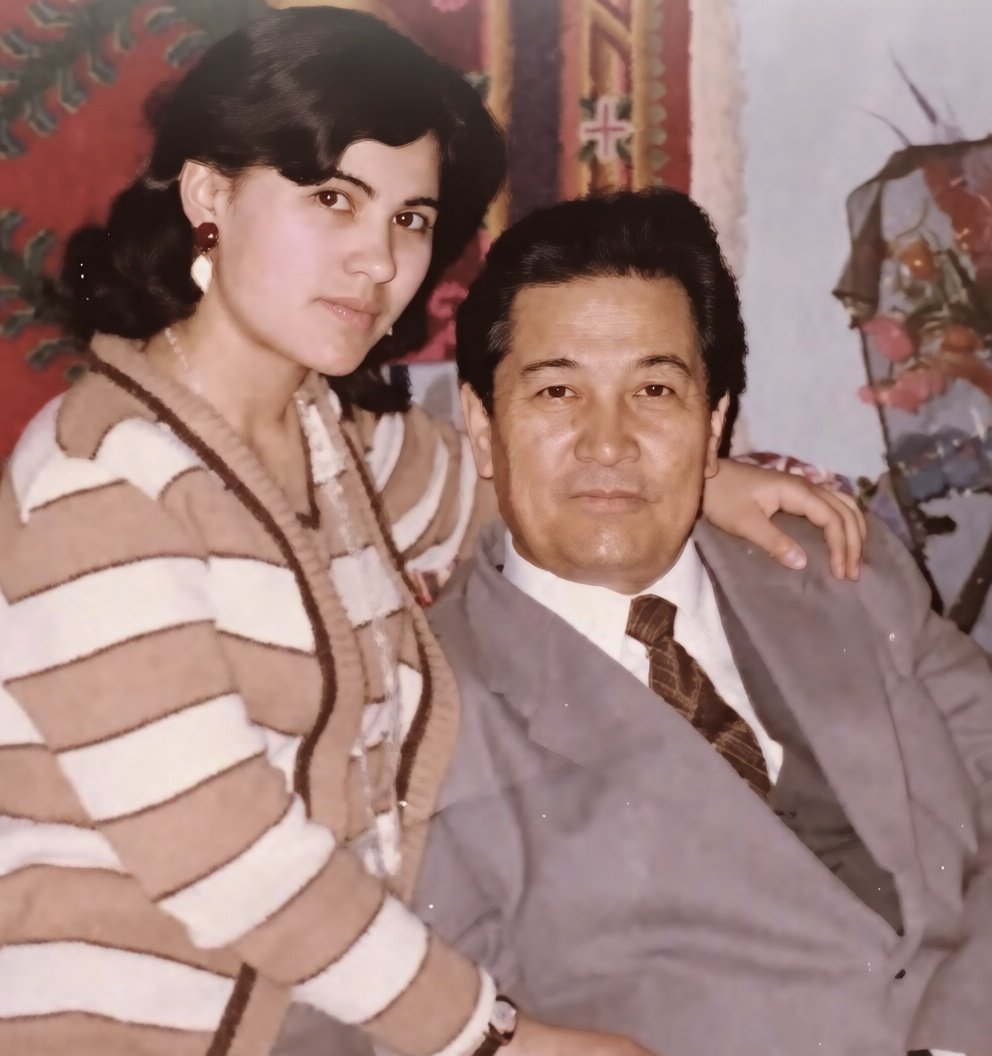
Eleven years of systematic destruction of Uyghur culture, religion, and the imprisonment of intellectuals, writers, and teachers followed. The same “panic, threats, and fear” of those days described by Abbas are revisited by his daughter Rushan six decades later, who writes that China “concealed its crimes against humanity during the Cultural Revolution just as it has been hiding its current genocide in the twenty-first century: the mass imprisonment of millions of Uyghurs in concentration camps and the disappearance of countless Uyghur elites.”
A brief renaissance followed under Deng Xiaoping. Released Uyghur intellectuals in the 1980s “revived our crushed spirit and culture,” making it a rare period when Uyghur identity flourished. Students met in secret to protest family planning restrictions, nuclear testing, Han migration, educational inequalities, and job discrimination. Their disquiet sparked street protests in 1985 and 1988.
These were among the earliest democratic movements in Communist Central Asia. Still, the backlash was swift: leaders were persecuted, imprisoned, expelled, and marked with criminal records, some of which persist to the present day.
Rushan, conspicuous for her activism, left for the U.S. as a student in 1987 despite repeated visa refusals. From the U.S., she watched escalating persecution: massacres, “Strike Hard” campaigns, and the erosion of culture, language, and religion. By 2018, watching the horrors unfold, she was ready to dedicate her life to the cause.
As a founder of advocacy groups, journalist for Radio Free Asia’s Uyghur service, and translator for Uyghurs detained in Guantanamo, she was blacklisted by China. She was blocked on Twitter as a “Guantanamo Torturer” and “CIA agent,” slurs she wears as a “badge of honor.”
The author of “Unbroken,” after relentlessly circumnavigating the globe, addressing heads of state, ministers, scholars, and the world’s highest bodies, then seized the opportunity offered by director and producer Jawad Mir to dramatize the search for her sister.
“In Search of My Sister,” released on Human Rights Day, December 10, 2022, documents her search and has been screened in 50 countries. Chinese censorship and pressure have often followed its showings.
“Unbroken” traces China’s rise over decades before a largely sleeping world where Deng Xiaoping’s advice to “hide its strength and bide its time” (韬光养晦, 决不当头) has been followed with “patience, calculated restraint, and strategic deception.”
Rushan argues, “the world is now waking up to the fact that China did not simply rise—it maneuvered, outpaced, and, in many ways, deceived those who believed it would integrate peacefully into the existing world order.” She warns of Xi Jinping’s blueprint for global dominance through debt traps, land grabs, settler colonization, and slave labor.
Xinjiang, she says, is a “vital strategic blueprint” for Xi’s ambitions and a testing ground for China’s surveillance state, now exported to authoritarian regimes in Africa. China’s reach through debt, control of minerals, port acquisitions, and treaties with Islamic nations has silenced many potential critics.
“The exploitation and genocide of the Uyghur people is not some minor, isolated issue,” she warns. “It is, in fact, the central issue upon which China’s threat to all people is built.”
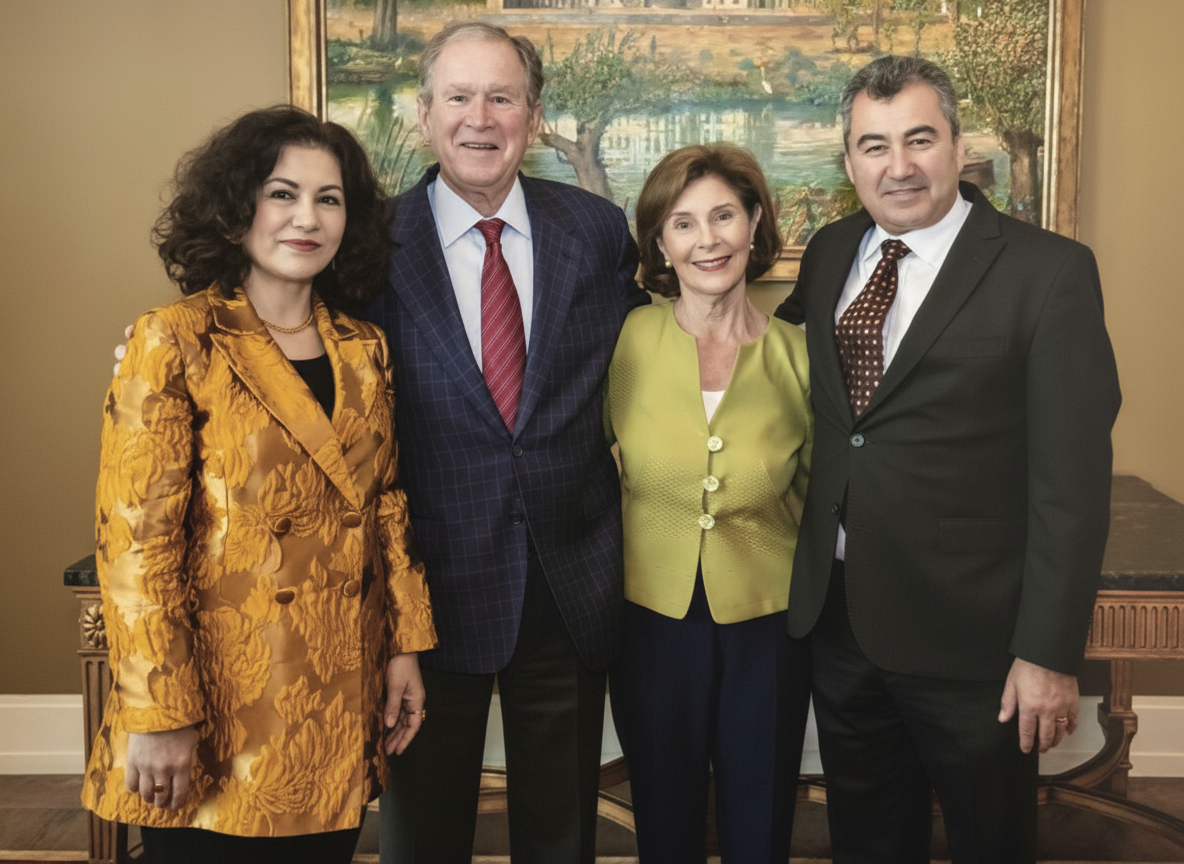
Despite setbacks, ignorance, and indifference, the campaign has seen victories. Advocacy efforts helped pass U.S. legislation to protect Uyghur rights and combat forced labor. With two Nobel Peace Prize nominations under her belt, Rushan refuses to stop.
“Silence is not an option,” she writes. “A lone voice can shatter indifference, and truth, relentlessly spoken, can move mountains.”
“Our story is about resilience in the face of injustice, hope in the shadow of despair, and above all, freedom—not given by governments, but burning in the hearts of those who refuse to surrender. It is about love—the unbreakable love that sustains a people, a family, a fight.”

Ruth Ingram is a researcher who has written extensively for the Central Asia-Caucasus publication, Institute of War and Peace Reporting, the Guardian Weekly newspaper, The Diplomat, and other publications.