Is the SPLC federal indictment a reckoning for the anti-cult “experts” network?
by Thomas Ward
On April 21, 2026, the United States Department of Justice (DOJ) announced that a federal grand jury had returned an eleven-count indictment against the Southern Poverty Law Center, a left-leaning policy institute located in Atlanta, Georgia, known in its early days for important civil rights activism and more recently for promoting an agenda that puts together the Ku Klux Klan, neo-Nazis, and targeted Christian organizations that oppose abortion and fluid understandings of gender identity, categorizing all of them as “hate groups.” The DOJ charges allege that between 2014 and 2023, the SPLC secretly funneled more than three million dollars of its donated funds to individuals associated with violent extremist groups, including the Ku Klux Klan and the National Socialist Party of America.
Legal experts are divided on the case’s merits and foresee that the indictment may face serious procedural challenges. The indictment, regardless of its ultimate legal fate, invites a long-overdue examination of how the SPLC has exercised its self-appointed authority to designate which organizations constitute “hate groups”—and which do not. It also invites scrutiny of the network of aligned “experts” who have reinforced the SPLC’s designations—among them Steven Hassan, the deprogrammer well known to “Bitter Winter” readers, and his close collaborator Fred Clarkson, a character whose early career tells its own story.
Steven Hassan, Fred Clarkson, and the SPLC
The SPLC recently denounced the February 2026 International Religious Freedom Conference in Washington, D.C., in its HATEWATCH section. SPLC claims no expertise in the area of “cults.” On occasion, it has turned to deprogramming protagonist Steve Hassan, a licensed counselor with a PhD in Organizational Development and Change, whom their publications designate as a “cult expert.” Hassan, for his part, has referenced the SPLC on his website as a go-to authority on “hate groups.” Another organization that Hassan has ties to, the liberal Massachusetts-based Political Research Associates (PRA), is more reliant on the SPLC than Hassan is. PRA’s website has 6,967 links related to the Southern Poverty Law Center. The PRA describes itself as “a nationally-recognized resource for understanding and countering authoritarian forces in the U.S. and globally.”
One of the key players at PRA is Fred Clarkson, Senior Research Fellow, whom Hassan considers an “old friend and colleague” who helped him “tremendously” in his book “The Cult of Trump.” Clarkson is a journalist and researcher who touts his publications over the past four decades in “Mother Jones,” “Christian Science Monitor,” “Church and State,” “Ms. Magazine,” “Religion Dispatches,” and “Salon.com.” However, he does not tout his early career contributions to “CounterSpy” and “Covert Action,” publications affiliated with CIA defector Philip Agee, who died in Havana, Cuba, in 2008. Clarkson co-authored an article with Louis Wolf in the Summer 1985 edition of “Covert Action” (34–35) about “Washington Times” editor Arnaud de Borchgrave. Louis Wolf, a career leftist, helped Agee to release the names and addresses of 700 CIA agents working in Western Europe in the mid-1970s. Wolf and Agee co-authored “Dirty Work” (1978), with pages of names and addresses of alleged CIA agents. They concede that after being outed by “CounterSpy,” CIA Station Chief Richard Welch was assassinated (p. 724).
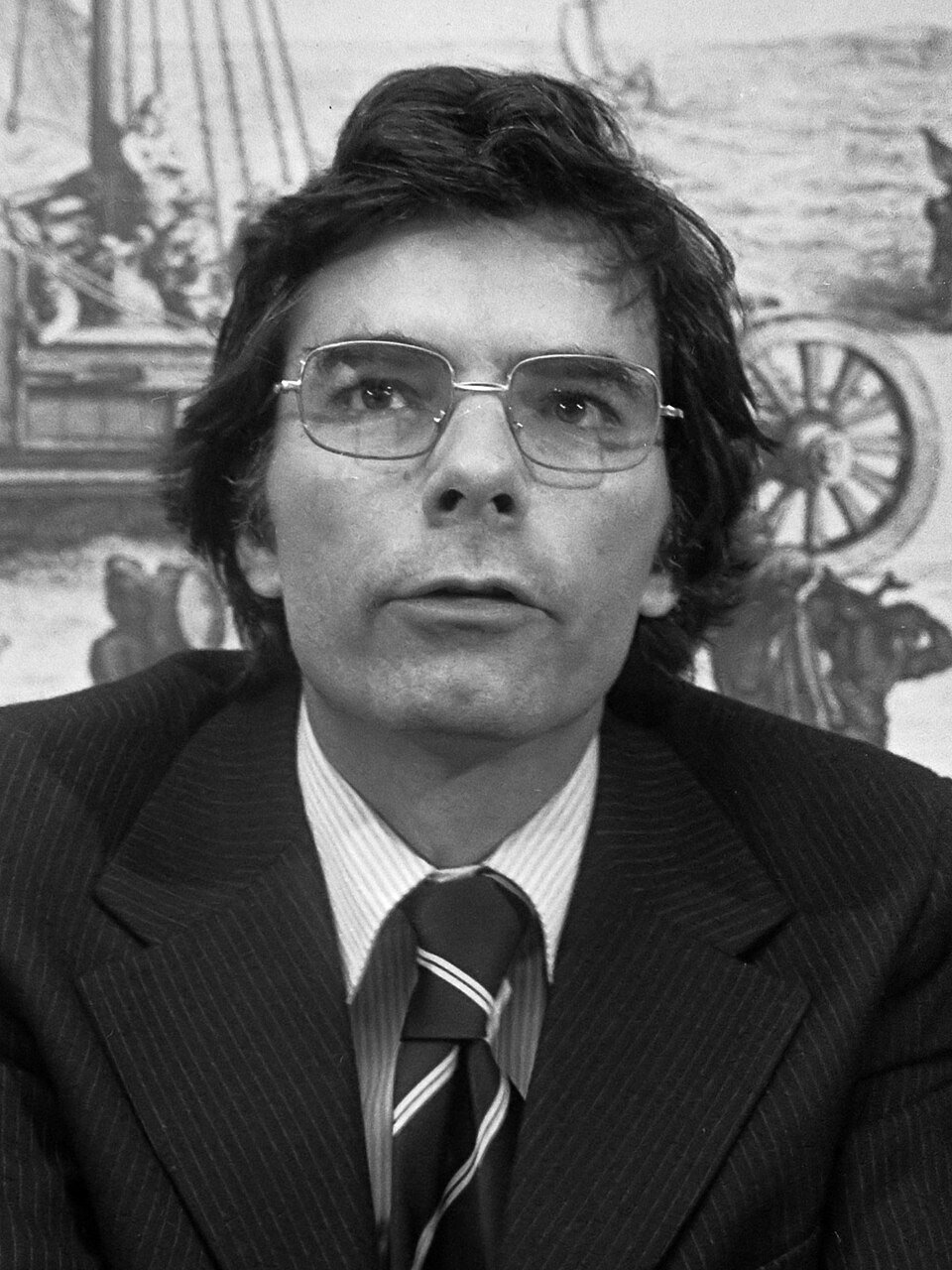
Clarkson contributed to “Counterspy” but primarily to “Covert Action,” which Agee officially launched at a press conference in Havana on July 26, 1978, on the eve of a communist youth festival supported by the Soviet Union, the German Democratic Republic, and other communist countries.
Clarkson’s numerous “Covert Action” articles focused on Unification Church and CAUSA activity in Latin America. In the Winter 1984 edition of “Covert Action,” Clarkson contributed an article (p. 38) that immediately precedes one alleging that Korean Airlines Flight 007 (p. 40)—shot down by the Soviets, killing all 269 passengers, including 22 children under the age of twelve—was a U.S.-rigged spy plane. Clarkson continued to contribute to “Covert Action” even after it alleged that a United States military laboratory had created the AIDS virus to target homosexuals and people of African descent—a position publicly retracted by the Soviets at the United Nations when Soviet active measures and disinformation against the United States slowed as US-Soviet relations improved.
Hassan maintains his ties with Clarkson and his ideological trajectory since “The Cult of Trump” is instructive. He has since moved on to expound on mind control and colonialism—a thematic shift that resonates with Clarkson’s years with CIA defector Philip Agee and his colleague Louis Wolf’s focus on imperialism.
A Selective Arbiter
In a recent report, the SPLC characterized the Christian pro-life movement as follows: “The anti-abortion movement is inherently a white supremacist, male supremacist and classist political project.” The SPLC featured an article on May 22, 2025, entitled “Turning Point USA: A Case Study of the Hard Right in 2024,” with the overline “Report—Dismantling White Supremacy” in its “Year in Hate and Extremism 2024” series. That story appeared three and a half months before Charlie Kirk’s September 10 assassination.
As already noted, in its HATEWATCH section, the SPLC included the February 1–3 International Religious Freedom (IRF) Summit for having “hard right ties.” It alleged that IRG had received support from the Danube Institute, which had financial connections to the government of former Hungarian leader Viktor Orbán. It also pointed to the conference’s continuing support by the pro-life Family Research Council, which SPLC identifies as anti-LGBTQ, and the Moon-related “Washington Times” and Universal Peace Federation (UPF). The April 21 indictment of the SPLC raises a glaring paradox: by what moral authority have organizations such as SPLC, Clarkson’s Political Research Associates, and Hassan’s Freedom of the Mind appointed themselves as arbiters of which religious communities to protect and which to exterminate as “hate groups”?
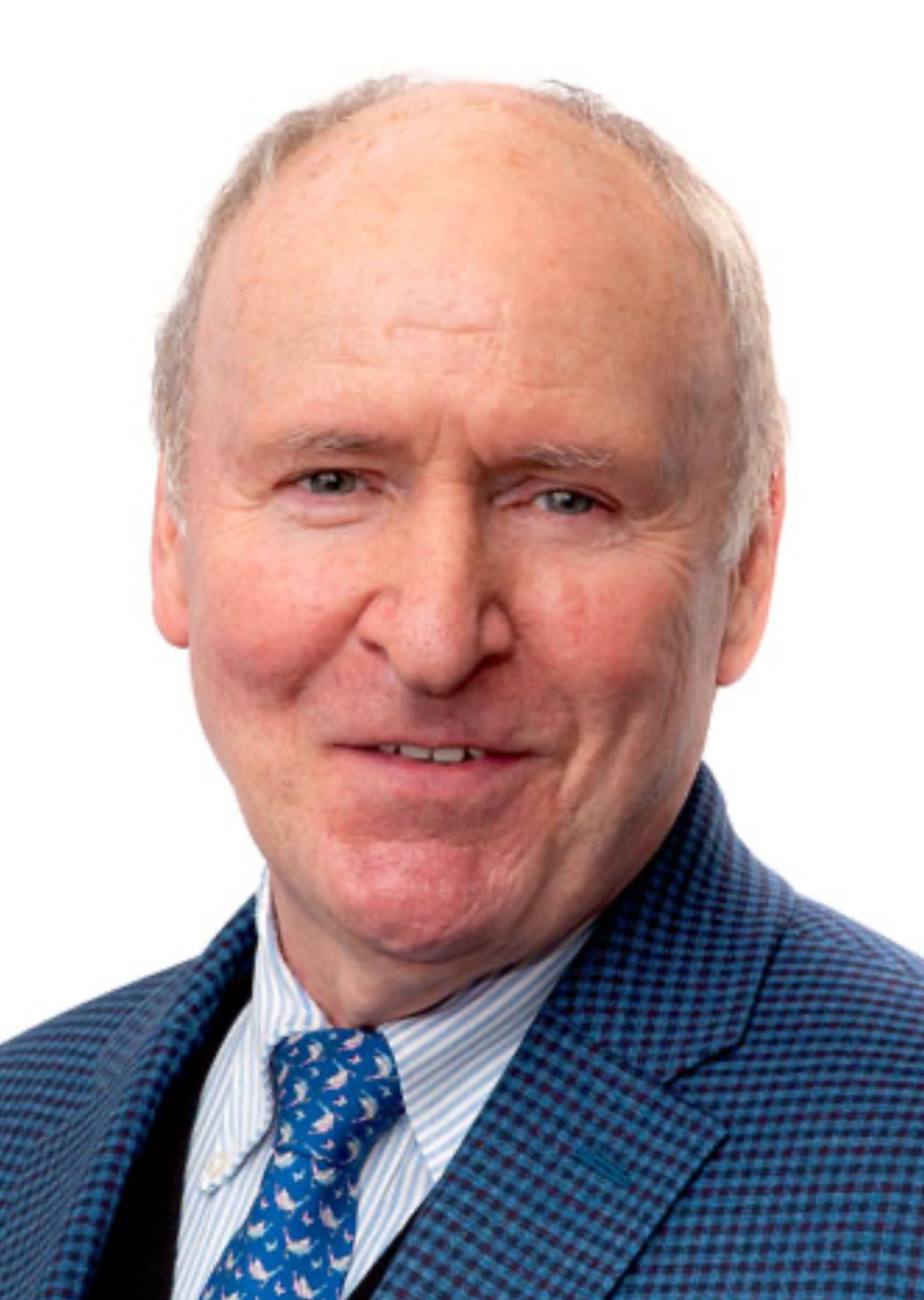
Thomas J. Ward, a Unificationist for more than fifty years, is Professor of Peace and Development Studies at HJ International Graduate School for Peace and Public Leadership. He previously served for eighteen years as Dean of the College of Public and International Affairs at the University of Bridgeport. A Fulbright alumnus, his work has been published inter alia by “East Asia Quarterly,” “E-International Relations,” and “The Journal of CESNUR.”