Anti-cult journalist Eight Suzuki scandalously claims that the murder “made sense” because of Abe’s support for the Unification Church.
by Massimo Introvigne
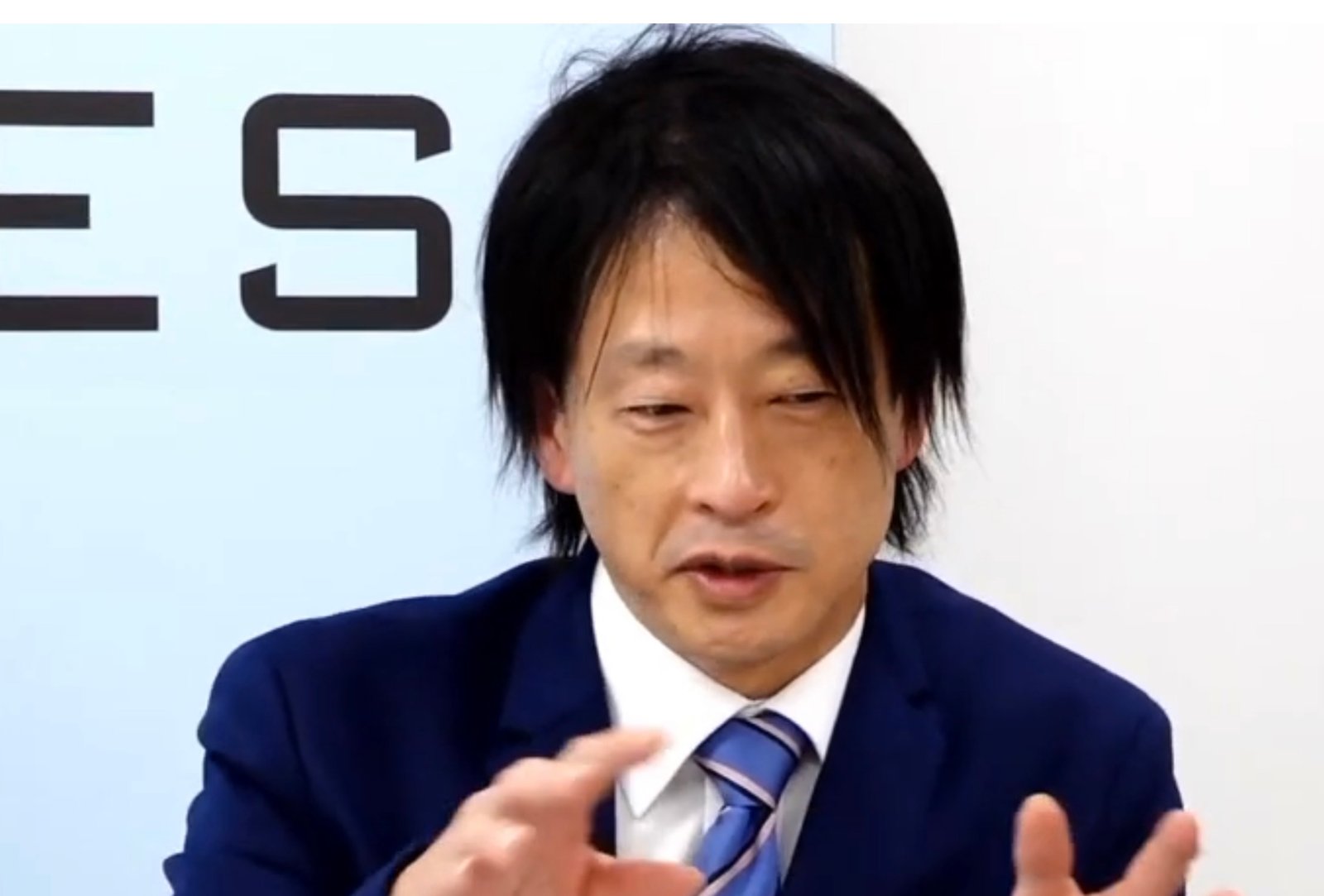
Anti-cult journalist Eight Suzuki typed on X a phrase that should haunt anybody who believes that words matter. He wants us to believe Shinzo Abe’s assassination “was unexpected but made sense.” Unexpected, yes, but somehow logical. Suzuki means that the assassin’s feelings are understandable. They make sense to him. That phrase alone should make the blood run cold. Because when a journalist starts finding reasons for murder, he isn’t just reporting anymore—he is flirting with justification.
Suzuki’s narrative is simple, almost seductively so: Abe once kept his distance from the Unification Church, although he was supported by it, then cozied up, culminating in a 2021 video message to a church-related event praising its leader. That message, Suzuki insists, was the moment Abe “crossed a line.” Victims of the church, he says, felt despair. The media failed to denounce Abe. And so, the assassin acted.
It’s a neat story. Too neat. And dangerously misleading.
Reality is messier, and the timeline refuses to obey Suzuki’s script. Yamagami’s mother went bankrupt in 2002. After the local believers’ group of the Unification Church had agreed to refund half of her donations, in 2009 all the family including Tetsuya signed a settlement and stated they were happy with it. His brother’s suicide in 2015 was tragic, but it is unclear whether it was connected with the old issue of donations. He had health and personal problems not connected with the church. The father of the two Yamagami brothers had taken his own life decades earlier, before the mother ever joined.
If despair was the trigger, why didn’t Yamagami act in 2002? Or 2015? Why wait twenty years after bankruptcy, seven years after his brother’s death? Why suddenly in 2022?
Suzuki’s answer—that Abe’s video message was the spark—is implausible. Abe and other politicians had expressed sympathy for Unification-Church-linked groups long before. Nothing about that 2021 clip was unprecedented.
The more credible explanation is darker, and far less convenient for Suzuki. Canadian scholar Adam Lyons has traced Yamagami’s online interactions with anti-cult activists in the months before the assassination. He wasn’t just brooding over his mother’s donations. He was marinating in vitriol.
This is the ecosystem of hate speech—a toxic brew that doesn’t always incite violence directly, but demonizes minorities until someone unstable decides violence is the only answer.
I have served as the Representative of the OSCE (the Organization for Security and Cooperation in Europe) for combating racism, xenophobia, and religious intolerance. Hate speech was a significant part of my portfolio. I know how thin the line is between free expression and hate speech. Hate speech that demonizes minorities may not explicitly call for violence, but it can plant seeds in troubled minds. Balanced individuals may ignore it. Fragile, unstable individuals may act on it—with catastrophic consequences.
Although it did not explicitly incite violence, Japan’s anti-Unification-Church rhetoric was extreme. It may well have been a stronger trigger than Abe’s polite video message. And Suzuki himself was one of its loudest purveyors. He wasn’t just chronicling despair. He was amplifying it.
Suzuki calls the assassination “the defeat of the media.” He’s right, but not in the way he thinks. The defeat wasn’t failing to scream louder about Abe’s ties. It was failing to recognize the corrosive power of their own words.
Journalism became a megaphone for hate. Criticism blurred into demonization. And in that climate, a troubled man picked up a gun.
The red line wasn’t Abe’s video message. It was anti-cult rhetoric. By finding “logic” in assassination, it legitimizes violence. By ignoring the timeline, it distorts reality. By refusing to confront the role of hate speech, it evades responsibility.
Eight Suzuki wanted to expose the dangers of the Unification Church. Instead, he exposed the dangers of his own crusade.

Massimo Introvigne (born June 14, 1955 in Rome) is an Italian sociologist of religions. He is the founder and managing director of the Center for Studies on New Religions (CESNUR), an international network of scholars who study new religious movements. Introvigne is the author of some 70 books and more than 100 articles in the field of sociology of religion. He was the main author of the Enciclopedia delle religioni in Italia (Encyclopedia of Religions in Italy). He is a member of the editorial board for the Interdisciplinary Journal of Research on Religion and of the executive board of University of Pennsylvania Press’ Nova Religio. From January 5 to December 31, 2011, he has served as the “Representative on combating racism, xenophobia and discrimination, with a special focus on discrimination against Christians and members of other religions” of the Organization for Security and Co-operation in Europe (OSCE). From 2012 to 2015 he served as chairperson of the Observatory of Religious Liberty, instituted by the Italian Ministry of Foreign Affairs in order to monitor problems of religious liberty on a worldwide scale.