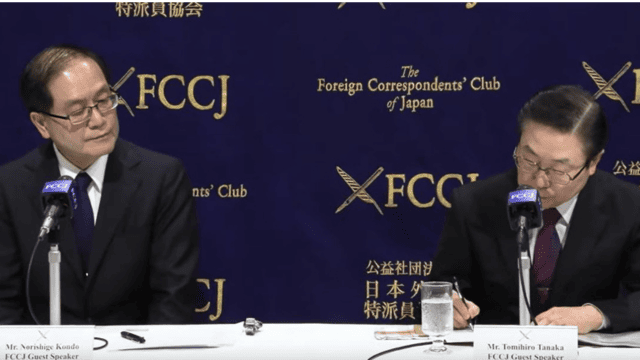
The second part of an interview the leader of the Unification Church in Japan gave to “Seiron” magazine for its June issue.

The second part of an interview the leader of the Unification Church in Japan gave to “Seiron” magazine for its June issue.

The June 2025 issue of the magazine “Seiron” allows the church leader to present his version of the facts. “Bitter Winter” publishes an English translation of extensive excerpts from the interview.

The court was aware he had no evidence when he claimed that Shinzo Abe was clandestinely paid 50 million yen for a video. Yet, it managed to declare him not guilty of defamation.

A chronology of the facts proving that Communist agencies and countries worked to destroy the religious movement.

東京地方裁判所は、その決定が信教の自由に関する国際原則および憲法上の原則に違反していないと主張した。しかし、それは誤りだった。
皮肉なことに、解散は、裁判所が非難していた献金勧誘の方法がほぼ消滅した後に宣告された。

地方裁判所は民事訴訟だけでなく和解や陳述書にも依拠し、ディプログラミングの問題を無視した。
この裁判所の決定は、政治的な動機を持つ貪欲な弁護士による宗教運動への約40年にわたる嫌がらせの頂点である。

解散決定は、過度な献金の勧誘をめぐる非難に基づいているが、その宗教的性質は無視されている。

党が統制する中国反邪教協会は声明を発表し、「反共産主義」の教会に対する決定を祝福するとともに、海外でも同様の運動が広がることを期待している。