The practice of kidnapping, confining, and “de-converting” members of “cults” has been banned in all democratic countries—except Korea, where some victims died.
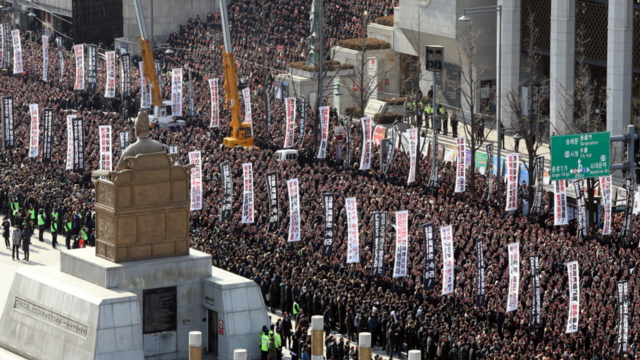

The practice of kidnapping, confining, and “de-converting” members of “cults” has been banned in all democratic countries—except Korea, where some victims died.
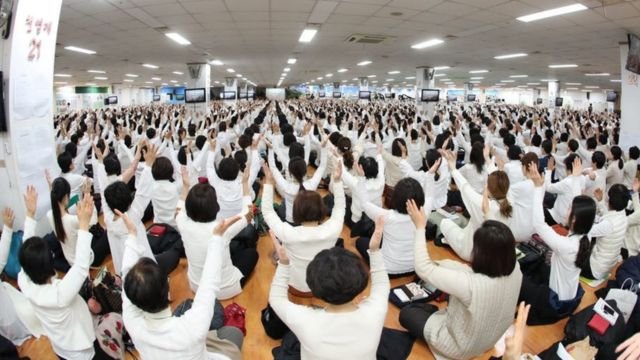
The only religion one joins not through baptism but by passing an exam had to spend decades in confronting a furious opposition.
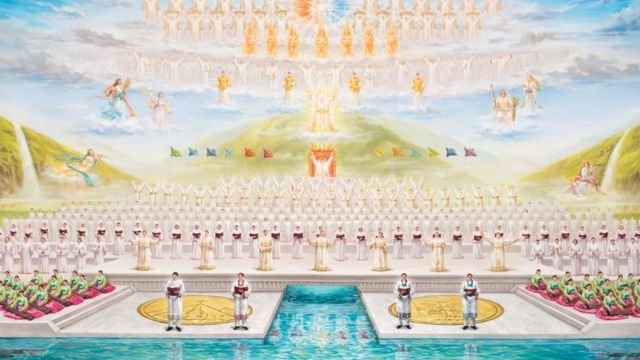
The role of Chairman Lee as the “promised pastor” is at the heart of the movement’s millenarian theology.
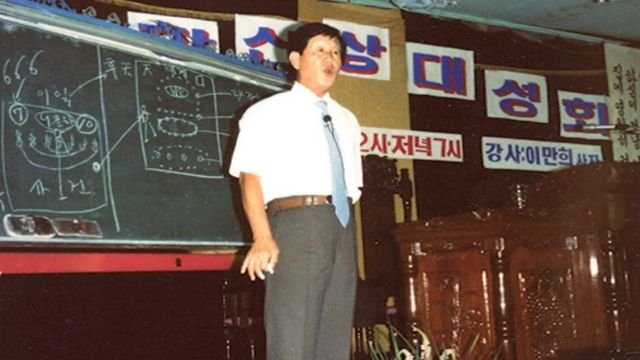
Chairman Lee gathered some 300,000 followers and launched impressive international peace education campaigns. Accusations of having spread COVID-19 were recognized by the courts as false.
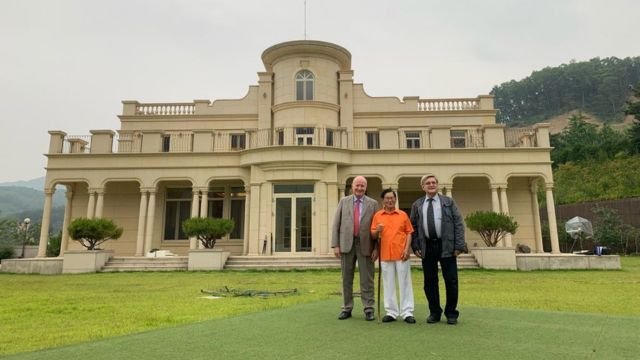
Sensational accounts of the Korean new religious movement have been published in several countries. The reality is both different and much more interesting.

Scholars and human rights activists protest the scandal of the rental of a park by Shincheonji cancelled at the last minute on a pretext after a slander campaign.

Under the futile pretext that it may “provoke North Korea,” authorities compelled the religious movement to cancel a peaceful event with the expected attendance of 100,000 believers and guests.

Overcoming a lower court’s decision, the highest court in South Korea ruled that what Shincheonji did was not illegal.

A man murdered his wife, a Shincheonji devotee, and her sister-in-law after consulting with an anti-Shincheonji pastor—who now tries to blame the victim.

In recent cases, victims of religious discrimination are falsely presented as if they were the guilty parties. It is the same strategy used in 1996 against Tai Ji Men.