この裁判所の決定は、政治的な動機を持つ貪欲な弁護士による宗教運動への約40年にわたる嫌がらせの頂点である。
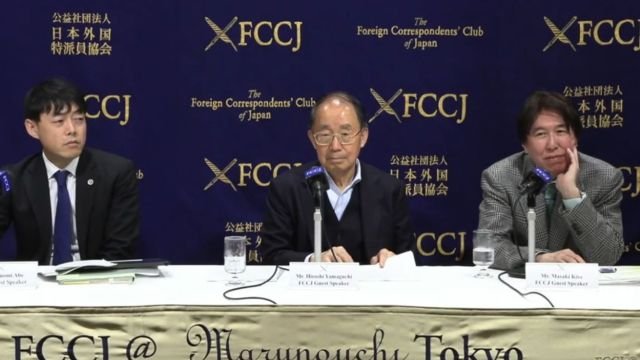

この裁判所の決定は、政治的な動機を持つ貪欲な弁護士による宗教運動への約40年にわたる嫌がらせの頂点である。

解散決定は、過度な献金の勧誘をめぐる非難に基づいているが、その宗教的性質は無視されている。

党が統制する中国反邪教協会は声明を発表し、「反共産主義」の教会に対する決定を祝福するとともに、海外でも同様の運動が広がることを期待している。

The Tokyo District Court claimed its decision did not violate international and constitutional principles of religious liberty. It was wrong.

2009年に教会は「コンプライアンス宣言」を発表した。その結果、安倍元首相暗殺当時には教会に対するクレームはほぼゼロにまで減少した。

Paradoxically, the dissolution was pronounced after the methods for soliciting donations that the court had objected to had almost disappeared.
A statement by the Party-controlled China Anti-Cult Association celebrates a verdict against the “anti-communist” church and hopes it will inspire similar moves abroad.

民事訴訟では、刑事訴訟のような厳格な事実認定基準は求められない。そのため、民事訴訟は解散の根拠として用いられるべきではない。

裁判所は、判断が信教の自由を侵害するものではないという説得力のない見解を示し、さらに寄付に関する新法を遡及的に適用した。

The District Court relied not only on civil cases but also on settlements and statements, and ignored the issue of deprogramming.