鈴木エイトは、欧州反カルト主義者の典型的な態度に倣い、敗訴した事件で「ほぼ勝利した」と主張している。この記事では、鈴木を敗北させた弁護士がその理由を説明する。
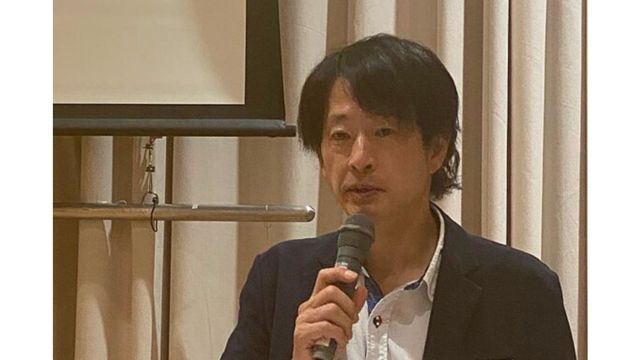

鈴木エイトは、欧州反カルト主義者の典型的な態度に倣い、敗訴した事件で「ほぼ勝利した」と主張している。この記事では、鈴木を敗北させた弁護士がその理由を説明する。

One of the attorneys representing the Unification Church discusses the unethical tactics used by the government in the case.

After the United Nations intervention caused the end of large-scale deprogramming, Japan invented new ways to destroy the Unification Church, endangering other religions in the process.
Importing a typical attitude of European anti-cultists, Suzuki claims he “almost won” a case he lost. In this article, the attorney who defeated him explains why.

その市は平和が常に主張されるべきであることを知っている。宗教または信条の自由もまた、日本および世界中で同様に主張されるべきだ。

日本国民の権利を守ることは日本の民主政府の義務だが、家庭連合や他の宗教的マイノリティの場合にはそうなっていない。

被害者が加害者として描かれると、巨大な不正は露骨な不条理となる。しかし、それは現代の日本で起こっている。

信教の自由とは、信じるか信じないかの自由だけではなく、信じるか信じないかに応じて人生を生きる自由でもある。しかし、日本ではそれが制限されている。家庭連合の事例。
The city knows that peace should constantly be advocated for. So does freedom of religion or belief, in Japan and all over the world.

As the year comes to an end, leaders from the academic, human rights, and religious activism’s world come together to express concern for what is happening in the Asian country.