The most visited exhibition of 2024 in Italy offers an opportunity to revisit the Norwegian painter’s interests in Spiritualism, Theosophy, and the demonic.
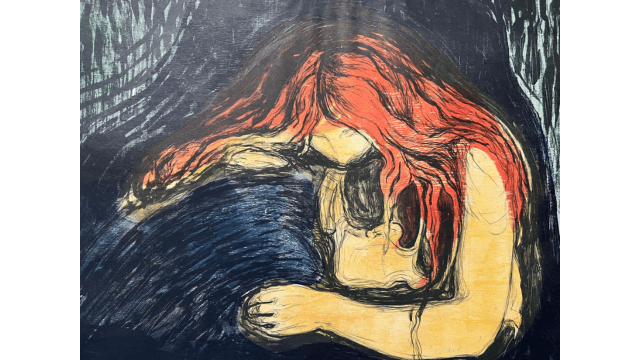

The most visited exhibition of 2024 in Italy offers an opportunity to revisit the Norwegian painter’s interests in Spiritualism, Theosophy, and the demonic.
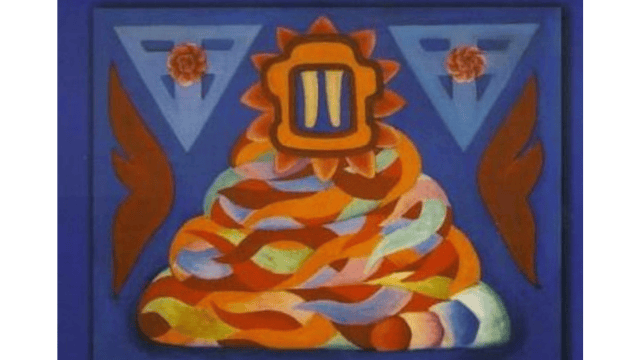
Better known as a Marxist, the Mexican muralist was a member of the Rosicrucian order AMORC and cultivated other esoteric interests. His wife Frida Kahlo, a staunch Communist, was fascinated by reincarnation.

The Bavarian painter produced the most famous portraits of Masters Koot Hoomi and Morya—reportedly not through entirely natural means.
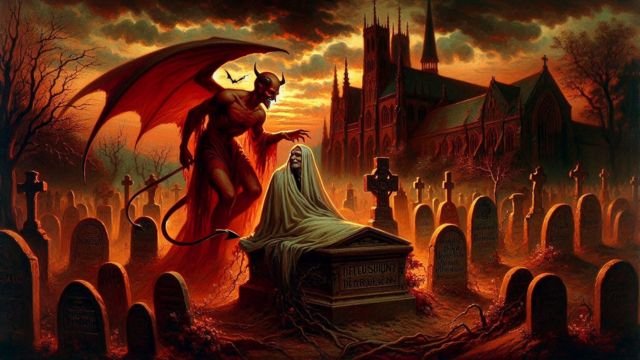
Il grande dibattito accademico sui vampiri del Settecento ha una “coda” tra i demonologi dell’Ottocento. Dopo, rimangono soltanto figure folkloristiche o marginali.
The great academic debate on vampires of the eighteenth century was restarted by some nineteenth-century demonologists—but it was soon marginalized.

Voltaire ha presentato lo studioso benedettino, che ha scritto di vampiri, come un credulone. In realtà nel corso degli anni le sue posizioni sono passate da dubitative a scettiche.
Voltaire presented the Benedictine scholar, who wrote about vampires, as gullible. In reality over the years his positions went from dubious to skeptical.
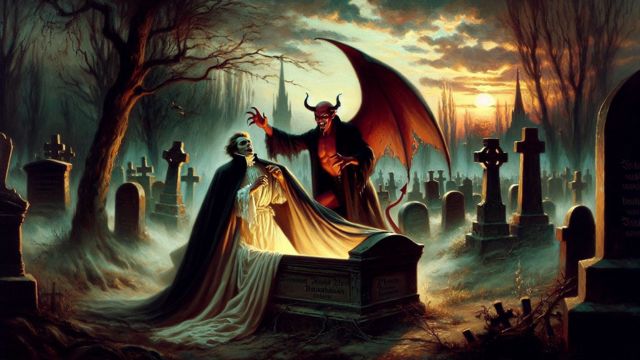
Antoine Faivre, il padre dei “vampire studies”, ha distinto tra posizioni illuministe, demonologiche e “paracelsiane” nel dibattito settecentesco sull’esistenza dei vampiri.
Antoine Faivre, the father of “vampire studies,” distinguished between Enlightenment-inspired, demonological, and “Paracelsian” positions.
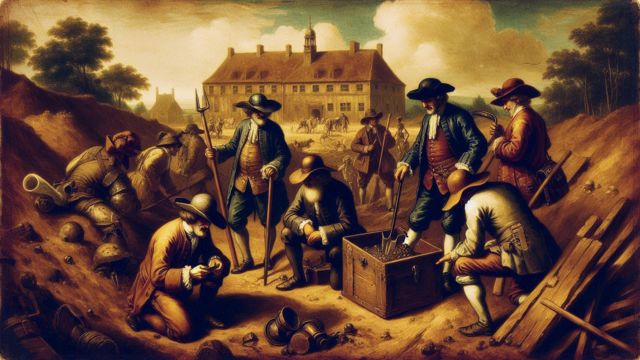
Tra la fine del Seicento e il terzo decennio del Settecento la possibilità che i vampiri esistano è dapprima ammessa ma finalmente esclusa dalle autorità imperiali.