The legend of Turin as the “city of the Devil” derives from nineteenth-century memories but also from a goliardic prank of the late 1960s.


The legend of Turin as the “city of the Devil” derives from nineteenth-century memories but also from a goliardic prank of the late 1960s.

Anche se non c’entra con la magia, la tolleranza risorgimentale per religioni diverse dalla cattolica a Torino ha contribuito a creare il mito della “capitale delle spiritualità alternative”.
Although it has nothing to do with magic, the 19th-century tolerance for religions other than the Catholic Church in Turin helped create the myth of the “capital of alternative spiritualities”

Nell’Ottocento Torino è conquistata – per un certo periodo, più di altre città italiane – dalla moda dello spiritismo.
In the 19th century, Turin was conquered—for a time, more than other Italian cities—by the fashion for spiritualism.

L’idea di Torino come capitale delle spiritualità alternative nasce nel secolo XIX, con il fiorire nella città di “magnetizzatori” e di “sonnambule”.
The idea of Turin as the capital of alternative spirituality was born in the 19th century, with the flourishing in the city of “magnetizers” and “somnambulists.”
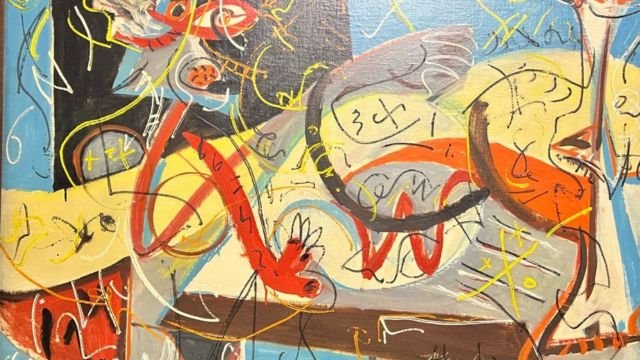
Visitors to the important Paris exhibition would not learn about his esoteric connections. But they can find them in his paintings.
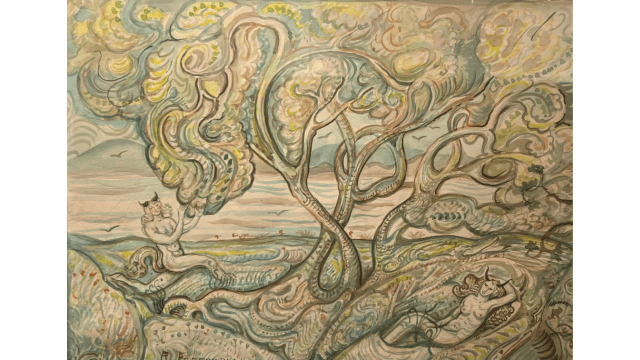
Il tema dell’androgino ha una lunga storia nella cultura occidentale e arriva a Ferenzona tramite i Rosa+Croce e la Società Teosofica.
The theme of the androgyne has a long history in Western culture and came to Ferenzona through the Rosicrucians and the Theosophical Society.